
Can trekking Shoes be Used for Running – Complete Guide
 Aditya Bansal
·12 min read
·Last reviewed
Aditya Bansal
·12 min read
·Last reviewed
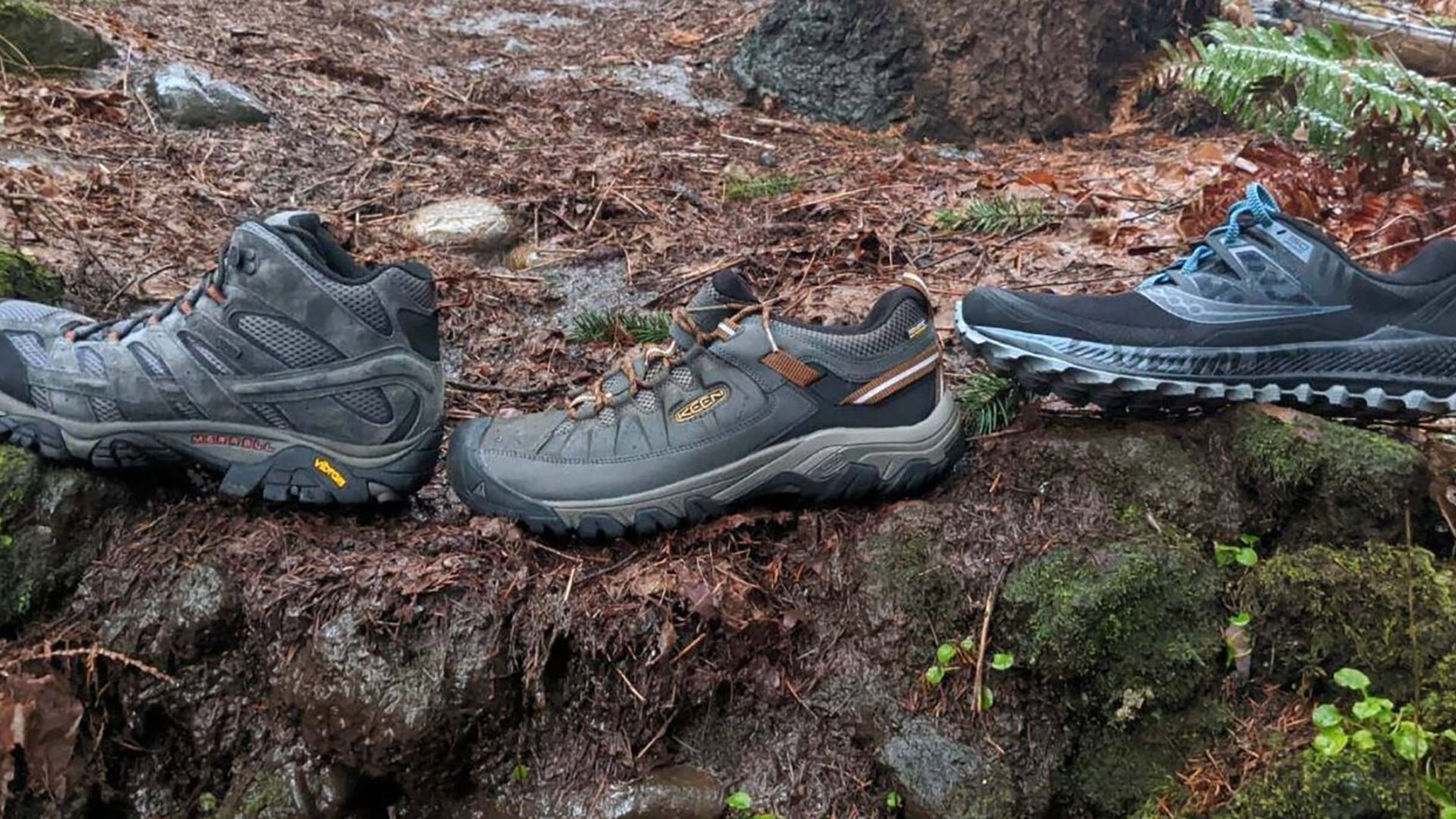
While trekking shoes and running shoes may seem similar but, trekking shoes and running shoes are two different types of footwear designed for different activities. While trekking shoes are designed for long-distance walking, running shoes are designed for running. So, can trekking shoes be used for running? The answer is yes, but it is not recommended. In this guide, we will discuss why trekking shoes are not ideal for running and what to look for when choosing a running shoe.
Why Trekking Shoes are not Ideal for Running
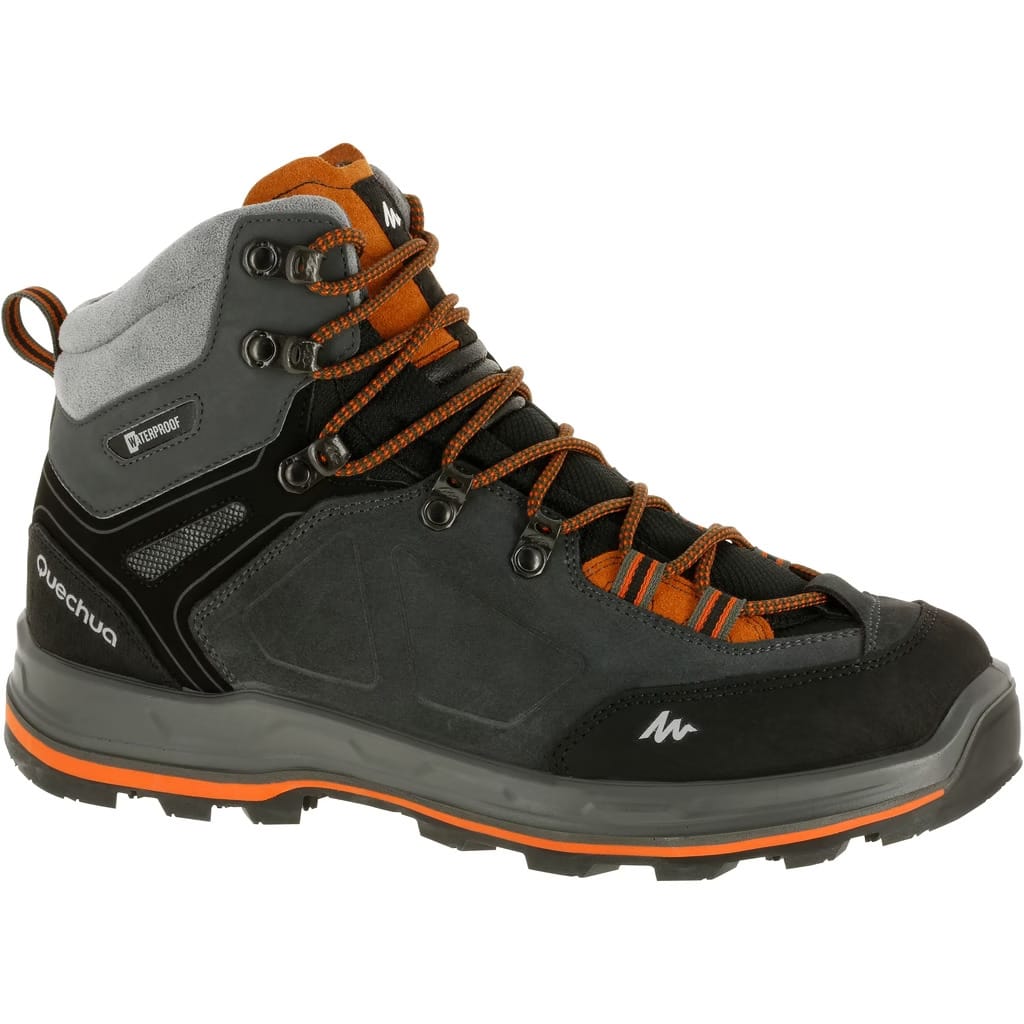
Trekking shoes are designed for long-distance walking, which means they are built for comfort and stability. Trekking shoes are built to provide support, stability, and durability over rough and uneven terrain. They have a thicker sole, more cushioning, and a higher ankle support than running shoes. Additionally, they usually have more ankle support and padding to protect against potential injuries.
Trekking shoes typically have a stiffer and heavier construction, with thicker and more rugged soles for better traction on rocky or uneven surfaces. This makes them great for walking, but not ideal for running.
Running requires more flexibility and less cushioning than walking. The thicker sole of trekking shoes can make it difficult to move quickly and can cause discomfort when running. Additionally, the higher ankle support can limit your range of motion and make it harder to run.
How to Choose a Running Shoe
When choosing a running shoe, you should look for one that is lightweight, flexible, and has good cushioning. The sole should be thin and flexible to allow for quick movements. The cushioning should be firm but not too soft, as this can cause discomfort when running. Additionally, the upper should be breathable to keep your feet cool and dry.
On the other hand, running shoes are designed to provide cushioning, flexibility, and shock absorption during high-impact activities. They typically have a more lightweight and breathable construction, with a thinner and more flexible sole that provides greater range of motion and responsiveness.
Difference Between Trekking Shoes vs Running Shoes
Because of these differences, it is generally not recommended to use trekking shoes for running, and vice versa. Using trekking shoes for running may cause discomfort, reduce performance, and even increase the risk of injury.
What to Look for in a Quality Pair of Running Shoes for Running
When looking for a quality pair of running shoes, it is important to consider the type of running you will be doing. Different types of running require different types of shoes. For example, trail running requires a more rugged shoe with better grip and stability than a road running shoe.
There are following factor by which you can decide quality pair of your running shoes:
1. Fit: Make sure the shoes fit your feet properly. Look for a snug fit in the heel and midfoot, with enough room in the toe box to allow your toes to move freely. A proper fit ensures that your feet are comfortable and supported while running, reducing the risk of injury. It also helps to ensure that you are getting the most out of your running shoes, as a shoe that is too small or too large can cause blisters, chafing, and other issues. While wearing running shoes, it is important to consider the size, width, arch support, cushioning, and stability of the shoe. It is also important to try on several different pairs of shoes to find the one that fits best.
2. Cushioning: Cushioning is an important feature of running shoes because it helps to absorb the shock of impact when running. It helps to reduce the stress on the feet, ankles, knees, and hips by providing a layer of cushioning between the foot and the ground. This cushioning helps to reduce the risk of injury and fatigue, as well as providing comfort and support. Cushioning also helps to improve the overall performance of the shoe by providing better traction and stability. Look for shoes that provide adequate cushioning to absorb the impact of running.
3. Support: It helps to keep the foot in place and reduce the risk of injury by providing stability and preventing excessive movement. Supportive features such as arch support, heel counters, and midsole cushioning help to provide a secure fit and reduce the risk of injury. Do look for shoes that provide good arch support and stability to help prevent injuries.
4. Durability: You should look for shoes that are made from durable materials and have a good tread pattern to provide traction on different surfaces. Running shoes need to be able to withstand the wear and tear of regular use, as well as the impact of running on hard surfaces. Poorly made shoes can quickly become uncomfortable and cause injury due to lack of cushioning or support. Durable running shoes are designed to last longer and provide better protection for your feet. They are also more likely to be comfortable and supportive, which can help you run more efficiently and reduce the risk of injury.
5. Breathability: Breathable materials allow air to circulate around the foot, helping to keep it cool and dry during exercise. This helps to reduce the risk of blisters, chafing, and other skin irritations that can occur when feet become too hot and sweaty. Breathable materials also help to reduce the risk of fungal infections, such as athlete’s foot, which can be caused by moisture being trapped in the shoe. Breathable running shoes are also more comfortable to wear, as they allow air to move freely around the foot, helping to keep it cool and dry. Look for shoes that are made from breathable materials to help keep your feet cool and dry.
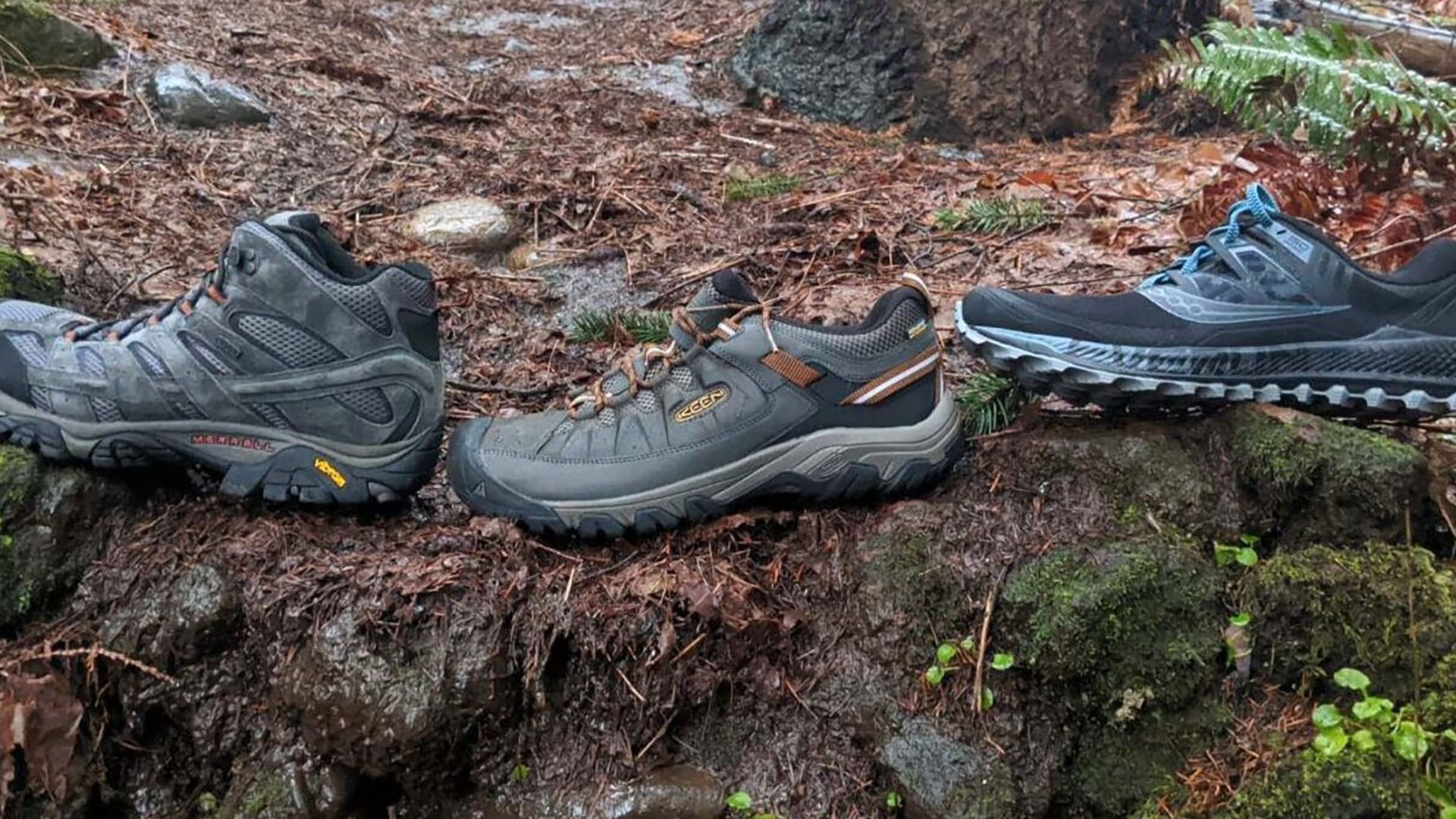
6. Weight: Make sure you should look for shoes that are lightweight to help reduce fatigue and improve performance. Heavier shoes can cause fatigue and strain on the feet, ankles, and legs, while lighter shoes can help reduce fatigue and improve performance. Lightweight running shoes are designed to provide cushioning and support without adding extra weight. They are often made with lightweight materials such as mesh and foam, which help to reduce the overall weight of the shoe. Additionally, lightweight running shoes are often designed with a low-profile sole that helps to reduce the amount of energy needed to propel the foot forward.
How to Properly Care for Your Running Shoes after Running
Properly caring for your running shoes after running is essential to ensure that they last as long as possible. After each run, it is important to clean off any dirt or debris that may have accumulated on the shoes. This can be done with a damp cloth or brush. Additionally, it is important to allow the shoes to dry completely before storing them away. This will help prevent any bacteria or mold from forming. It is also important to rotate your running shoes, using a different pair for each run. This will help ensure that the cushioning and support of the shoes remain intact for longer. Finally, it is important to store your running shoes in a cool, dry place away from direct sunlight. This will help keep them in good condition for longer.
1. Remove the laces and insole: After each run, remove the laces and insole from your running shoes. This will help to keep them clean and free of dirt and debris.
2. Clean the outside: Use a damp cloth or brush to remove any dirt or debris from the outside of your running shoes.
3. Air dry: Allow your running shoes to air dry in a cool, dry place away from direct sunlight. This will help to prevent any damage caused by heat or moisture.
4. Stuff with newspaper: Once your running shoes are dry, stuff them with newspaper to help them keep their shape.
5. Store in a cool, dry place: Store your running shoes in a cool, dry place away from direct sunlight. This will help to prevent any damage caused by heat or moisture.
6. Rotate your shoes: Rotate your running shoes to help them last longer. This means alternating between two or more pairs of running shoes so that each pair gets a break from the wear and tear of running.
The Best Ways to Enjoy the Benefits of Running Shoes
1. Wear them for running: The most obvious way to enjoy the benefits of running shoes is to wear them for running. Running shoes are designed to provide cushioning, support, and stability while you run, so make sure you have the right pair for your foot type and running style.
2. Wear them for walking: Running shoes are also great for walking, as they provide the same cushioning and support as they do for running. If you’re looking to get a good workout in without having to run, walking in running shoes is a great way to do it.
3. Wear them for everyday activities: Running shoes are also great for everyday activities, such as walking to work or running errands. They provide the same cushioning and support as they do for running, so you can stay comfortable and supported all day long.
4. Wear them for sports: Running shoes are also great for sports, such as basketball, soccer, and tennis. They provide the same cushioning and support as they do for running, so you can stay comfortable and supported while playing your favorite sport.
5. Wear them for travel: Running shoes are also great for travel, as they provide the same cushioning and support as they do for running. Whether you’re walking around a new city or taking a long flight, running shoes can help keep your feet comfortable and supported.
6. Wear them for recovery: Running shoes are also great for recovery, as they provide the same cushioning and support as they do for running. After a long run or workout, wearing running shoes can help your feet recover faster and reduce soreness.
The Best Brands of Running Shoes for Running
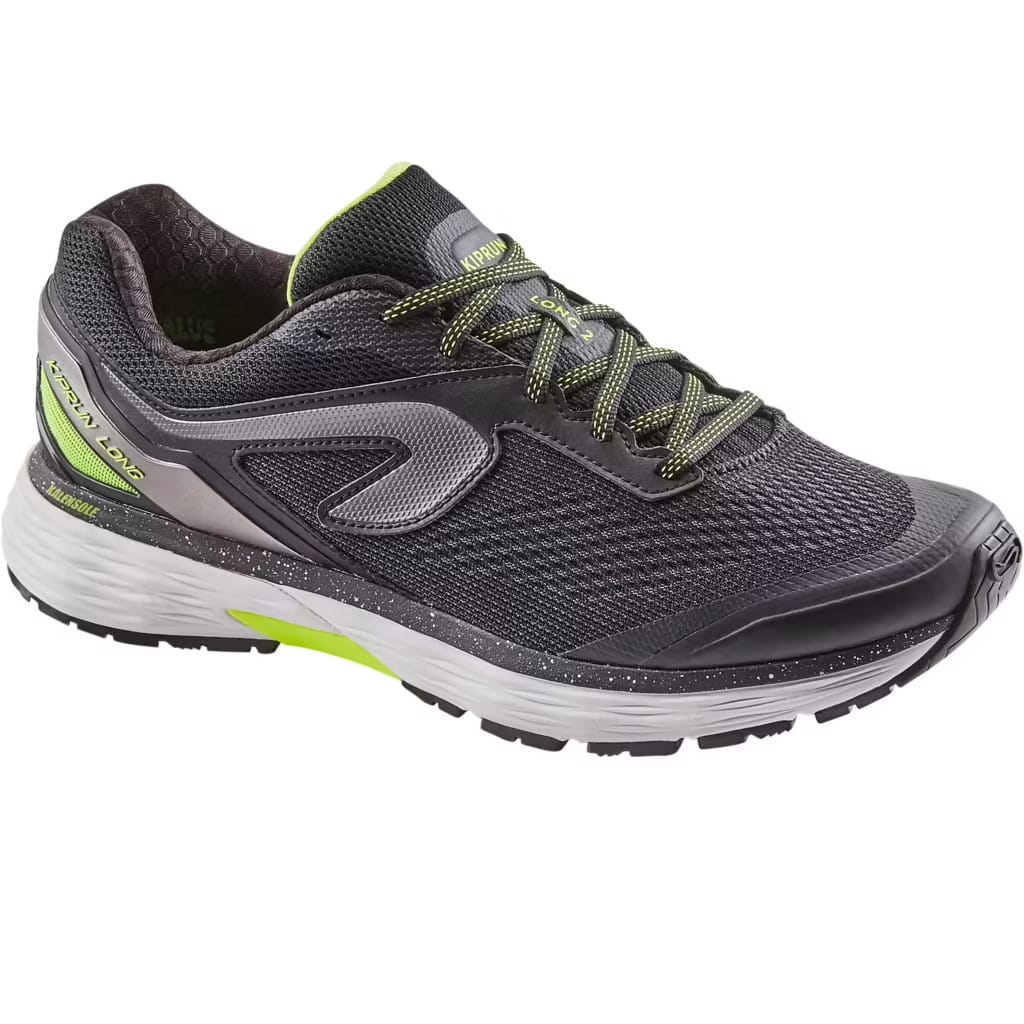
Here’s a list of running shoes that our trekkers swear by! We know because we conducted a survey and listed the top running shoes that showed up in the responses. But before we get to the list, here are two things you must keep in mind:
These are shoes that have been recommended by trekkers who have used them
Shoes that are affordable and budget friendly
Adidas Men’s Drogo M Running Shoes – https://www.amazon.in/gp/product/B07LH5ZHCW
These men’s shoes offer a stylish running-inspired look and are perfect for everyday wear. The mesh upper is accented with contrasting 3-Stripes. The EVA midsole and outsole provide support with every step. The shoes measure 25.5 x 8.5 x 9.5 Centimeters and have a medium width with a lace-up closure.
Brand: Adidas
Price: ₹1,630
Item Weight: 500 g
Outer Material: Mesh
Sole Material: EVA midsole material
Tip shape: Almond
Ratings: 4.1/5
Sparx Men’s Running Shoes – https://www.amazon.in/gp/product/B07YHWFML3
Show off the latest fashion trend with these unique Sparx sports shoes. Crafted with a mesh upper and EVA soles, these sneakers provide superior comfort. Measuring 33 x 23 x 12 centimeters, they have a medium width.
Brand: Sparx
Price: ₹1,050
Item Weight: 800 g
Outer Material: Mesh
Sole Material: Ethylene Vinyl Acetate
Ratings: 4/5
3. Puma Men’s Jaunt Idp Running Shoes – https://www.amazon.in/gp/product/B07V3GNPZV
Puma’s grey jaunt IDP is part of their running shoe range. This lightweight, sturdy, and comfortable shoe features a trendy mesh top and a rubber sole that is meant to enhance your performance. The product dimension is 10 x 2 x 2.7 Centimeters.
Brand: Puma
Price: ₹1,999
Item Weight: 500 g
Outer Material: Mesh
Ratings: 4.1/5
4. Campus Men’s Maxico Running Shoe – https://www.amazon.in/gp/product/B0855Z4GJV
The Maxico running shoe from Campus is designed with a phylon sole and a lace-up closure for added stability while running. It has a medium width and is made of mesh material, making it suitable for both sports and casual wear. The package dimensions are 38.6 x 30.7 x 11.7 cm and the item weighs 760 Grams.
Brand: Campus
Price: ₹974
Item Weight: 760 Grams
Outer Material: Mesh
Sole Material: Phylon
Ratings: 3.9/5
5. Adidas Men’s Steady M Running Shoe – https://www.amazon.in/gp/product/B094QBVB1S
This Adidas men’s running shoe features a rubber sole, an outer sole of rubber, a comfort insole, and a lace-up closure for added stability. It has a medium width and is made of synthetic material. This versatile shoe can be used for sports or everyday wear. The package dimensions are 30 x 15 x 10 cm, weighing 250 Grams. It has a full-length rubber outsole with extended rubber components at the heel and forepart for a secure grip on any surface. The side profile features pinhole texture for added traction. The energize cushioning in the midsole is responsive, stable, and firm.
Brand: Adidas
Price: ₹2,649
Item Weight: 250 Grams
Outer Material: Synthetic
Sole Material: Rubber
Ratings: 4.1/5
6. Skechers Men’s Go Run Tr-Flare Shoes – https://www.amazon.in/gp/product/B07X1Y6X2N
Skechers is an American brand of shoes that offers a variety of lifestyle and performance options. Their Memory Foam, BOBS charity line, and Relaxed Fit comfort shoes are among the lifestyle offerings, while their GOrun and GOwalk footwear are among the performance options. The Skechers men’s running shoe features Ortholite, Ultra Go Cushioning, Air Cooled Goga Mat sole components, and a lace-up closure for added stability. This shoe is perfect for running, but can also be worn for other occasions. It weighs 250 Grams.
Brand: Skechers
Price: ₹3,599
Item Weight: 600 g
Outer Material: Mesh
Sole Material: Ultra Go Cushioning
Ratings: 4.1/5
Conclusion
Trekking shoes can be used for running, but it is not recommended. Trekking shoes are designed for long-distance walking and have a thicker sole, more cushioning, and higher ankle support than running shoes. This makes them less suitable for running as they can limit your range of motion and cause discomfort. When choosing a running shoe, look for one that is lightweight, flexible, and has good cushioning.
If you plan on doing both activities, it is best to invest in a pair of specialized shoes for each activity. This will ensure that you have the appropriate support and protection for the specific demands of each activity.








Leave a Reply