
Things to Carry While Travelling to Mountains
 Aditya Bansal
·12 min read
·21 Jun 2026
Aditya Bansal
·12 min read
·21 Jun 2026
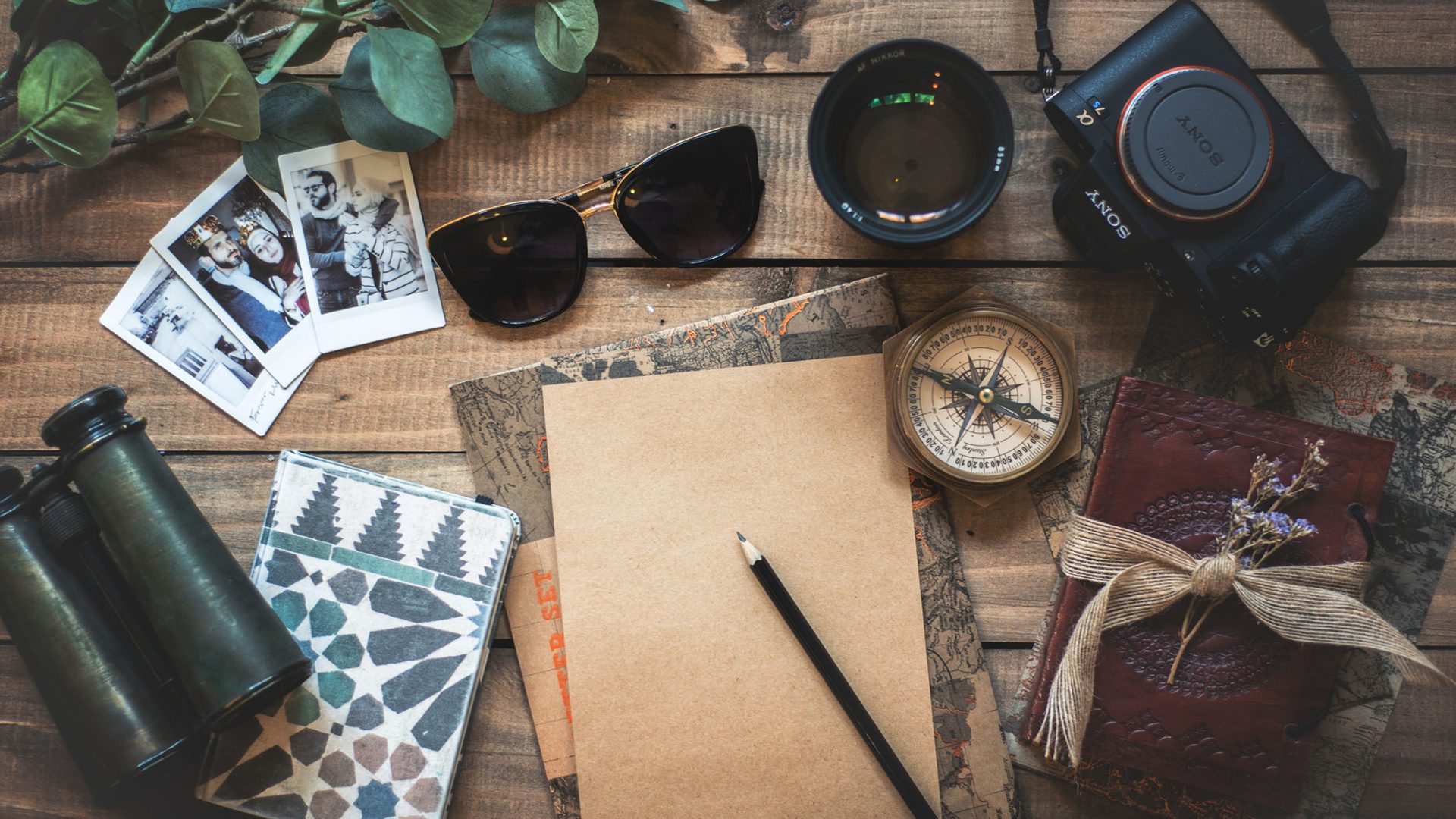
When planning a vacation, the first two places that typically come to mind are Mountains or beaches. After finally deciding to go the Mountains, the foremost thing to do apart from checking the weather conditions is packing for the trip is the next big step. It’s important to keep in mind that even after creating an exhaustive list of items to bring along, there may be some things we forget to pack.
In the early days of my travel, I often forgot to bring something on my hiking or trekking trips. As a beginner in these activities, it was easy to make mistakes and overlook some essential items. Over the past years, however, I have learned from my errors and now always remember to carry certain important items whenever I go for an Outdoor trip.
Nowadays we are used to having access to so many things that we can easily forget how nature works when you’re out in the wilderness. It is therefore essential for hikers and trekkers to be aware that they may not find what they need if an emergency arises.
Before embarking on a trip, it is essential to ensure that you are well-equipped with the necessary items. When travelling to the mountains, it is important to pack the right items. Some of the essential things to carry while travelling to mountains are warm clothes, comfortable shoes for hiking, water bottles and medicines. But apart from that there are many other things which make a great backpack.
Now your destination is selected, your budget is done, your travel ticket is ready, but wait till you get to the packing. We’re gonna make it easier for you. We are giving you a checklist for things to carry while travelling to mountains that will make your trip ready right away!
What Do You Need for the Mountains?
The key is to pack smart! Think before you pack and you will agree that the below-given travel packing tips are the only things to carry while travelling to mountains.
Woollens – Didn’t You Know it?
Woollens are top in our checklist every time we pack for a mountain but we often end-up packing too much. Staying warm is the aim but comfort cannot be overlooked. A visit to a mountainous region definitely necessitates having sufficient thermal attire. Regardless of the season, the temperature still tends to be relatively low and you’d at least need to bring along a fleece or down coat, as well as accessories such as gloves, cap and socks. For an extended duration trip, make sure to pack at least two high-quality jackets/coats and breathable yet snug base layers like hoodies or long sleeve tees.
Good Shoes – For Comfort and Strong Grip (link daal dena shoes vale blog ka)
A trip to the hills is best enjoyed with a comfortable pair of shoes suitable for long walks, short hikes and snowfall. Ensure the shoes provide sufficient grip and traction as well as save your feet from sores, blisters or shoe bites. If it’s a destination that receives snowfall, you’d probably want to consider carrying snow boots for a better grip and traction.
No matter how many layers of warm clothing you wear, incorrect footwear will defeat the purpose. Pack a suitable pair of shoes or boots for hill walking and snow traversing. Leave your heels and loafer’s home. Additionally, bring an extra pair of indoor-outdoor non-slip slippers that can be worn indoors or outside the hotel premises.
Water Bottle/Thermos – A Lifesaver in Many Ways
Although there are some small restaurants and food stands on the way and going up, it is better to bring your own drinking container. It is essential to stay hydrated throughout the journey especially when you are hiking or trekking. Fill your bottle with water or a hot drink of your preference and continue sipping while moving along. A thermal water bottle that can keep drinks warm for extended periods would be ideal. Look for a sturdy, lightweight, leak-proof container.
Daypack or Backpack – Travel Lightly & Neatly (link of backpack)
A quality daypack or backpack is essential on any hike or trek. There are many types of backpacks to choose from, but I have found that cheaper ones can be uncomfortable and burdening. Therefore, it’s best to invest in a good backpack that will keep your items dry in light rain/snow and provide easy access and organization.
Head Torch or Flashlight – Find the Way in the Dark
In case it gets late or dark while returning from the day’s hike, a torch or flashlight can be absolutely vital. It may not sound like an absolute necessity, but this should definitely feature in any list of items to take on a trekking trip. Having a flashlight is extremely important when travelling at night as it makes navigating trails much easier and helps locate the campsite.
Walking Pole – For a Painless Walk
Carrying a hiking pole is always beneficial and worth investing in, especially for snow trekking and extended hikes. It provides stability, comfort, and support to your legs and knees on any type of terrain. When choosing a trekking or hiking pole, look for something lightweight, adjustable, foldable, with shock absorbent features.
Swiss Knife – A Multi-purpose Toolset
This too is quite a beneficial item to take when going on a trekking journey. As there are various blades accessible in this tool, it can be one of the most useful things to carry while travelling to mountains. This multi-functional tool can be helpful in times of need.
Hand Sanitizer – Kills the Unwanted Germs
Your hands will keep coming in contact with germ-ridden surfaces either by slipping or ascending or searching for support when you are on an outdoor excursion or a journey. Hand sanitizers can help reduce the risk of contracting illnesses while on an extended trek or following a day’s hike at the nearby path.
Medical Kit or First-Aid Kit – Helps in Treating Basic Health Issues
You must bring a comprehensive medical kit containing creams for burns, bruises, antiseptic ointments, bandages, plasters etc. You can never predict when having these medical first-aid supplies may come in handy to yourself or another trekker/hiker affected by minor illnesses such as cuts and burns.
Power Bank – For Extra Backup
If you are carrying a smartphone, it is always advisable to pack a fully charged portable charger in case of emergency. Phone batteries can become depleted rapidly, especially when shooting videos and taking numerous photos. Therefore, having an extra phone battery will enable you to capture more memories on your trek or hike.
Weather-Dependent Essentials – Sunscreen/Moisturizer/Rain Coat/ Poncho/Umbrella
When you’re at a mountain retreat, it could either be very cold, scorching hot during the day, and even light showers. So, you have to be prepared for everything.
Sunscreen and Moisturizer – Skincare will prevent dryness and sun damage. Contrary to the misconception that you don’t need sunscreen at the mountains, a sunblock with a good SPF can keep your skin safe from the unpredictable weather.
Rain Jacket or Rain Coat – A breathable yet waterproof rain jacket or coat to keep you snugly dry when it’s raining outside.
Apart from this, it is recommended to pack an umbrella, polarized sunglasses, gloves, and a hat.
Trek Map or GPS – Don’t Get Lost
You should always keep a printed version of the map of your trekking trail or route. We know cell phones have GPS, but often times, you will find yourself in an area where these phones are not functional or their batteries are depleted. This is especially true for lengthy hikes and treks.A dedicated GPS device with pre-loaded path maps can still be useful when it comes to devices, however having a physical copy may serve as a backup plan in case things don’t go as planned.
Munching Items – Trail Mix, Dry Fruits, Chocolates & Energy Bars
When you are hiking or trekking, your energy depletes at a faster rate than expected. To maintain an optimal energy level, it is wise to snack intermittently using items such as a bag of trail mix, dried fruits and nuts, Snickers bars or energy bars. These snacks are convenient since they occupy minimal space and can be easily transported without the risk of spillage.
Deodorant & Dry Shampoo – Hate to Take a Bath
There is old saying in our Mountaineering “A Dirty Mountaineer is a Healthy Mountaineer” We all strive to avoid taking a bath in the winter. Though it’s essential to cleanse away bacteria, we can opt for a quicker solution on those days when time is limited. Dry shampoo can help remove excess oil from your hair quickly and easily. Additionally, using deodorant will make you feel and smell fresh without having to shower.
Head-Gear/Cap/Hat – For When it’s Too Cold or Too Hot
While hiking, it is important to wear protective headgear like a woollen cap, scarf or bandana to shield the head and face. During the hike it is essential to cover the skin from direct sunlight as it can cause painful sunburns. Wearing a cap or hat will help prevent such burns.
How Should I Pack My Backpack for a Mountain Trip?
Start by laying out your items on a flat surface and decide what you need to bring with you. Make sure to include enough clothing, food, water, and any other supplies that are necessary for the trip or activity.
Bottom – Rarely Utilized ItemsPack bulky items such as a sleeping bag, an extra pair of shoes or boots that you will need once you reach your camp at the bottom of your backpack. This will help to distribute the weight evenly and reduce strain on your lower back.
Center – Close to Your Back – Heavier Loads
Place the heavier items in the inner section of your bag closest to your back for easy carrying and balancing. This includes items such as a stove, heavy clothing or packed food. Placing them on the outer section can cause you to lose balance while trekking.
Center – Away from Your Back – Lighter Loads
Items that are lighter in weight, such as snacks, tent cloth or clothing, should be placed away from your back and towards the outer section of your bag. This will help to keep them secure and prevent them from shifting around too much.
Top – Mostly Used Items
Items that are frequently used during a trek should be stored in the topmost section of your bag for easy access. This includes items such as a rain jacket or poncho, first-aid kit and other supplies. If you are expecting bad weather, it is advisable to keep your tent at the top of your bag so that you can quickly set it up when needed. Most tents come with their own bags which can be tied onto loops on the backpack if they exist.
Side and Additional Compartments
Your backpack may come with several side pockets, loops and small zipped sections on the exterior. You should make use of these features to store items like ID cards, cash, water bottles, sunglasses, rain cover or a compass for easy access. The loops and fasteners can be used to attach items such as tent poles and sleeping bags that won’t fit in your bag.
Here is Another Method We Were Taught During Our Mountaineering Course.
We categories it in an alphabetical method for an efficient way.
That is: A B C D method
A – Accessibility: Easy accessing items which can be used frequently should be on Top/Front/Side zipped pockets includes sunscreen, Sunglass, headlamp, food items and importantly first-aid kit. On Side pockets; water bottle, umbrella, ponchos etc.
B – Balance: Important amongst above all which gives proper balance if packing has been done correctly for maintaining proper comfort.
C – Compressibility: The best and proper manner to pack and create more space is in a sack is rolling method one can roll all the clothing items like t-shirts, jacket, under garments, trousers, towels, almost everything.
D – Dry: Nowadays all the sacks comes with rain proof to keep our stuffs dry or what people does to keep their things dry they use polythene sheet. Prolonged exposure to water can make sack heavier or may damage expensive sack.
IMPORTANT NOTE: Always make sure you tighten all the straps properly to compress the sack. Tighten waist straps as well as chest straps in comfort to distribute the load equally. Keep trekking pole on a side of sack tip facing upward, pointed items like ice-axe and crampons should kept with cover, or tight outside in protective way don’t let it fall down, and always avoid injuries and always take plenty of time to think what you are going to carry for your trek..
Finally, double check that you have all of your items packed and ready to go before heading out on your trip!
Conclusion
Some of these items are also of personal taste but are very helpful when the occasion arises. I have gathered them over time, and now it seems like I have my fundamental travelling kit finished.
I wish the above list of items will be advantageous in preparing your upcoming trips. Did I miss any essential thing that you bring on your trip??
If you know any other important Things to carry while travelling to mountains, which is not listed above then, kindly drop in a comment below.
It will definitely help our travelling community to grow and know more.
Leave a Reply