
Tabo in Spiti Valley – An Ultimate Traveller’s Guide
 Aditya Bansal
·14 min read
·Last reviewed
Aditya Bansal
·14 min read
·Last reviewed
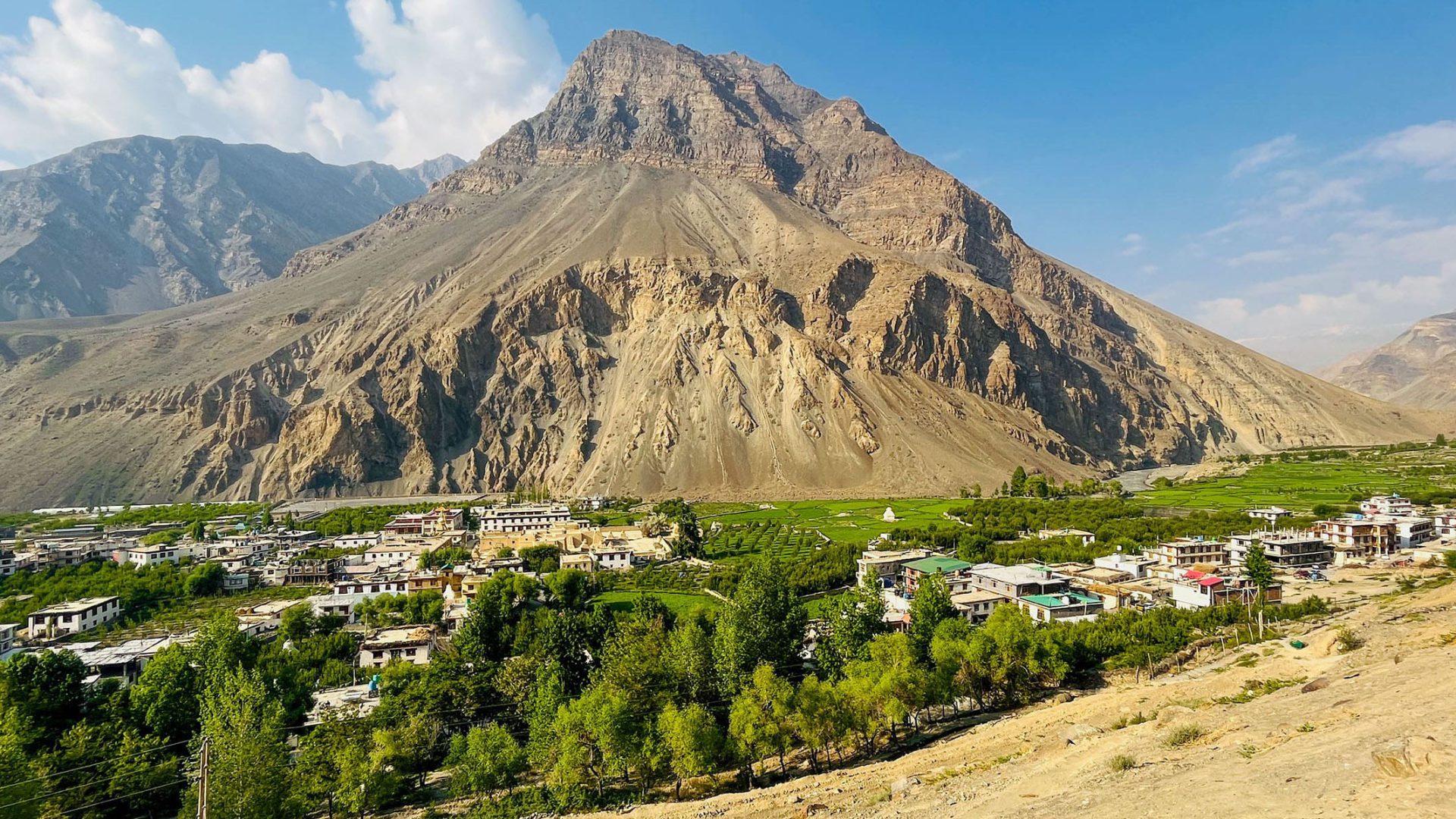
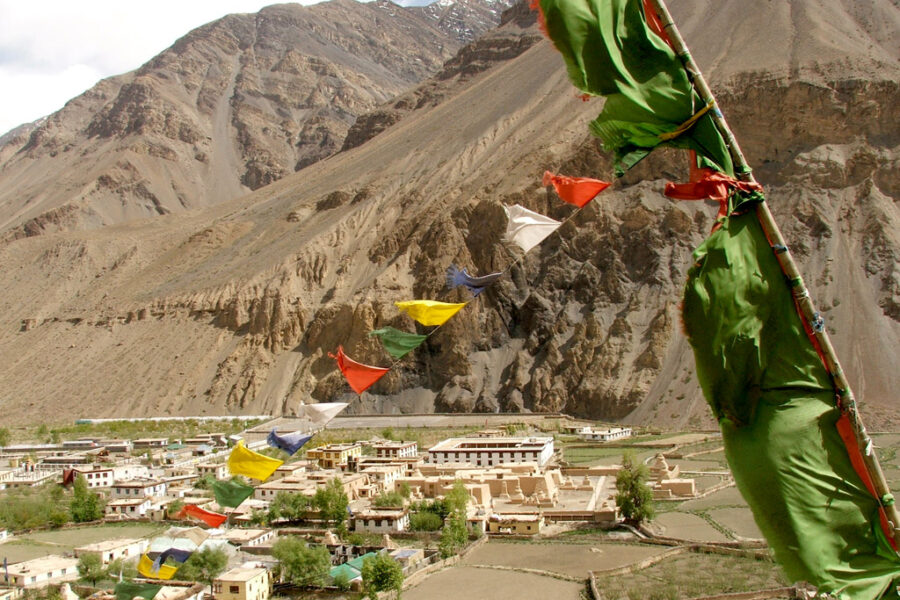
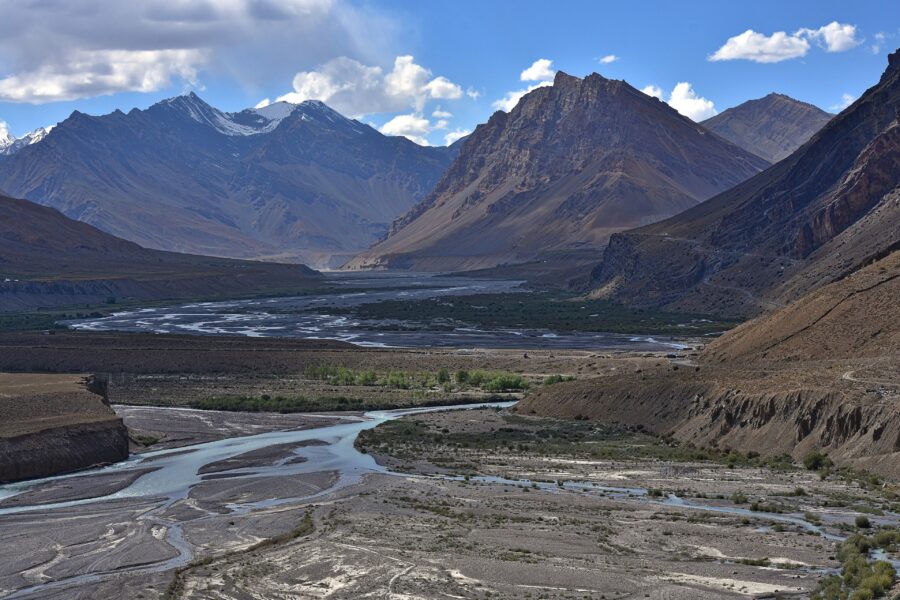
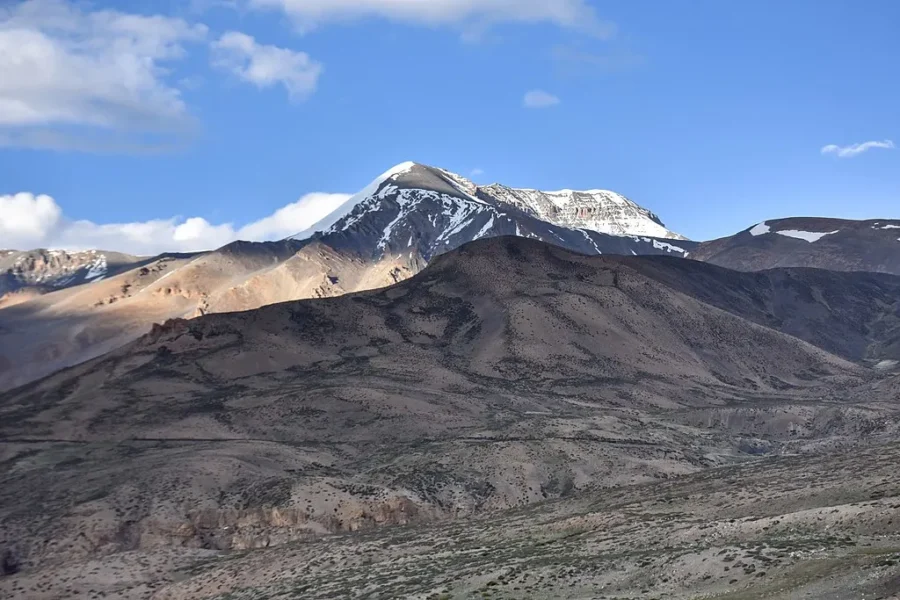
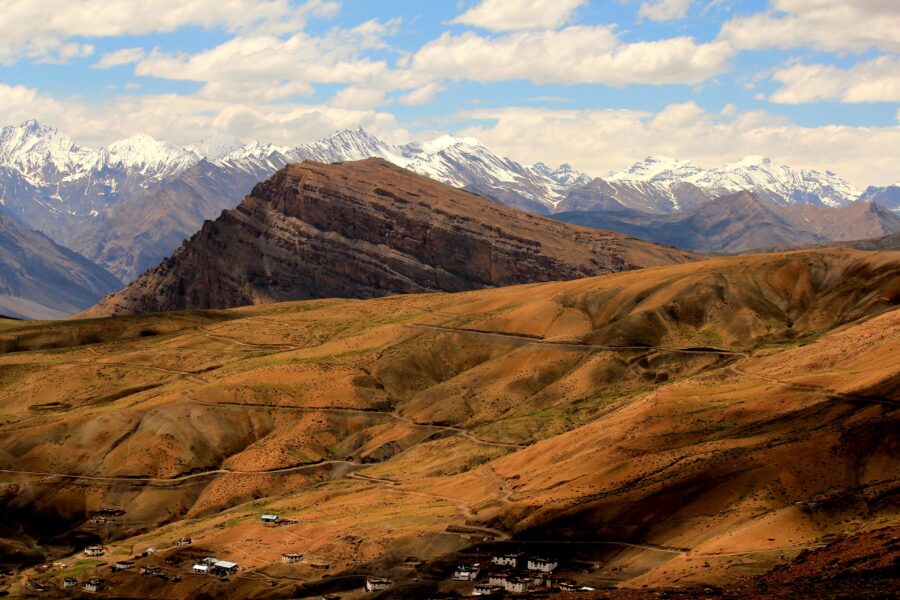
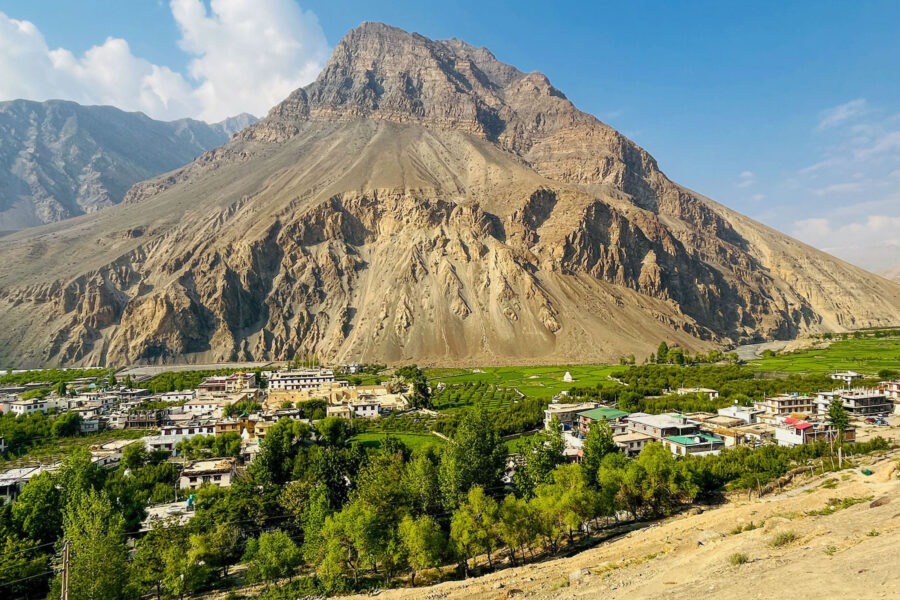
Tabo is a small village located in the Spiti Valley of Himachal Pradesh, India. It lies at an altitude of 3050 m above sea level and is surrounded by rugged mountains and snow-capped peaks. It lies on the road between Rekong Peo and Kaza, the village was established around 1000 AD and has been declared a heritage site by the Indian government for its ancient Buddhist monasteries, which are some of the oldest surviving structures in Asia.
Tabo Monastery is one of them, built between 996 and 1042 CE during the reign of King Yeshe Oed. This monastery contains wall paintings depicting various aspects of Buddhism along with manuscripts written on wood or palm leaves that date as far back as 8th century CE. There are also several other historical sites located nearby such as the caves of Tabo and Dhankar Gompa, which are said to have been used by Buddhist monks for meditation.
Tabo is also home to a few ancient temples dedicated to local deities and saints, including Guru Padmasambhava who is credited with introducing Buddhism in Tibet. The village has its own community of nuns and monks who take part in religious ceremonies regularly. Tabo is known for its traditional handicrafts such as carpets, rugs and shawls made from wool or pashmina yarn that can be found at various shops around the area. There are plenty of trekking opportunities nearby where one can explore the breathtaking landscape of Spiti Valley while being surrounded by majestic snow-capped peaks.
Tabo is a great place to experience the unique culture and traditions of Spiti Valley. The warm hospitality of its people coupled with ancient monasteries and stunning landscapes make it an unforgettable destination for anyone visiting Himachal Pradesh.
Best Time to Visit Tabo
The best time to visit Tabo depends largely on what you plan to do there.
If your main objective is to explore the area’s religious sites, then late May through early October would be considered as ideal times for visiting Tabo. This is when most of the monasteries are open and accessible and also when temperatures are relatively milder compared to other months of the year. During this period, tourists can witness various traditional festivals like Losar (Tibetan New Year) which take place at many monasteries across the region.
If you are more interested in trekking, then the best time to visit Tabo would be during the summer months of June and July when temperatures are considerably higher than other times of the year but still quite bearable. Trekking routes around Tabo offer stunning views of the snow-capped peaks and lush green valleys that make up Spiti Valley.
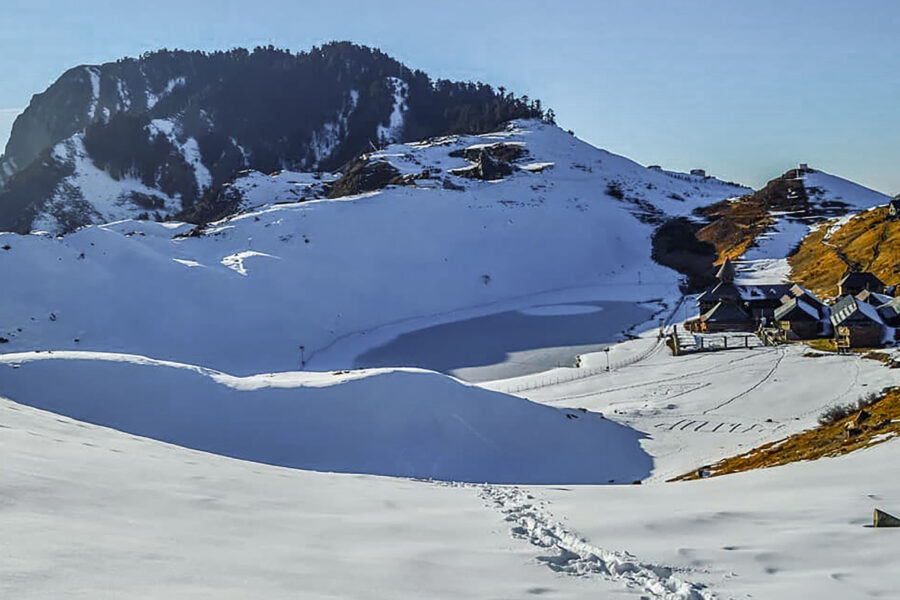
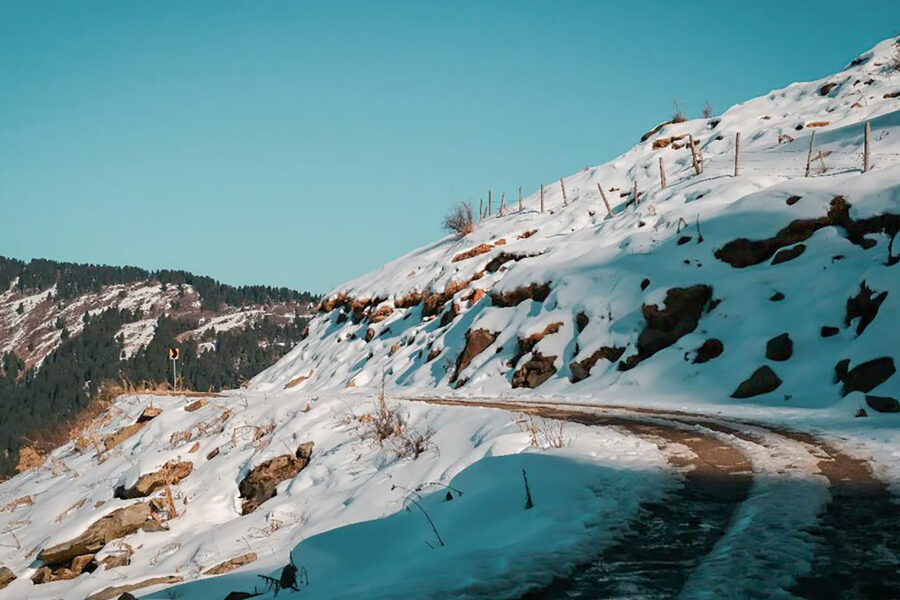
The winter season is also a great time to explore Tabo if you can brave subzero temperatures and occasional snowfall. Most monasteries close for visitors during this period so it’s mainly for those who want to experience some peace away from crowded tourist spots or take part in snow activities like skiing or sledding.
In conclusion, there is no one fixed time to visit Tabo as it all depends on what kind of activities you plan to do. However, the best times to visit are generally during late May through early October and June-July for trekking, while winter months offer some peace away from crowded tourist spots.
How to Reach Tabo
By Air: The nearest airport to Tabo is Bhuntar Airport (Kullu), about 279 km away by road. Taxis are available from this airport for further travel to Tabo.
By Train: The closest useful railhead is Kalka Railway Station, about 474 km away. One can hire a taxi or take a bus till Manali then take another bus or taxi till Rekong Peo, which will be around 100 km far and finally reach their destination at Tabo by hiring another cab/taxi or taking local transport like buses.
By Road: Tabo can be accessed by road from major cities like New Delhi, Manali, Shimla and Chandigarh.
The best way to reach Tabo is by taking a bus or taxi from any of these cities till Rekong Peo which is about 160 km away from Tabo. After reaching Rekong Peo one can take another bus or hire a cab/taxi for further travel to their destination at Tabo.
Tabo can be accessed by two routes: the easier one through Shimla, open all year round, and the more challenging route via Manali, open from late May to Mid-October.
Visiting the monastery itself? Our guide to Tabo Monastery covers its temples, timings, entry cost, festivals and the inner-line permit.
Shimla to Tabo
Shimla – Narkanda – Rampur – Pooh – Nako – Tabo
Shimla to Tabo is a scenic road trip the journey takes approximately 10 hours and covers a distance of around 370 kilometres. It is an ideal road trip for those who love nature, as it passes through some of the most beautiful landscapes in India including snow-capped mountains, lush green valleys and pristine rivers.
The drive from Shimla to Tabo starts with a climb up to Kufri, which offers spectacular views of the Himalayas and is known for its ski slopes and adventure sports opportunities. From here you will pass through Narkanda, where there are several ancient temples that can be visited along the way. As you continue your journey towards Rampur Bushahar, you will be surrounded by lush green hills and tea gardens.
Then journey continue towards Pooh also known for its natural environment, green fields, apricot orchards, vineyards and almond trees. From here you will pass through Nako, the village is known for its location in Hangrang Valley at Tibet border, beautiful Nako Lake and monasteries. Then finally you will reach Tabo.
If you were travelling by Bus, the route to Tabo would involve boarding a bus for Shimla first, followed by another one from Shimla ISBT at 6:00 AM, which will drop you off at Reckong Peo by evening and finally a third bus from Reckong Peo to Tabo which leaves at 7:00 AM.
Manali to Tabo
Manali – Koksar (via Atal Tunnel) – Batal – Kunzum Pass – Kaza – Tabo
Manali to Tabo is a distance of approximately 250 kms, and can be reached via the Manali-Kaza route. The journey takes about 10–12 hours by road.
Start your journey from Manali towards Rohtang Pass which leads up to the section of the drive that goes through some beautiful mountain passes along with several waterfalls and streams flowing alongside the highway, adding to its beauty.
It’s a good idea to take a few stops along the way and enjoy the view. The drive is around 40 kms long and will take you about 3-4 hours depending on traffic conditions.
After reaching Rohtang Pass, turn left onto NH 21 for Kaza which takes you through Spiti Valley. Towards Kaza you will pass through kunzum pass which is the stretch of road which goes through quite beautiful with some amazing views of snow-capped mountains all around as well as several small villages scattered across it.
It’s approximately 150 km from Rohtang Pass to Kaza, and should take about 5-6 hours depending on traffic conditions. From Kaza, turn right onto NH 505 for Tabo which is roughly 40 km away from Kaza, taking about 1 hour to reach. You should reach Tabo by evening
The best way to reach from Manali to Tabo is by taking a bus. Bus from Manali to Kaza leaves at 5:00 TO 5:30 AM. The journey takes approximately 9 hours and the cost of tickets starts from Rs 250 per person. From Kaza to Tabo bus leaves at 7:00 AM which will take you to Kaza in 1 hour.
What Activities to Do in Tabo Village
Tabo is a small village with plenty of activities to offer visitors. From exploring ancient monasteries and trekking across snow-capped mountains to visiting traditional villages and taking part in cultural festivals, there are lots of things to do in Tabo Village.
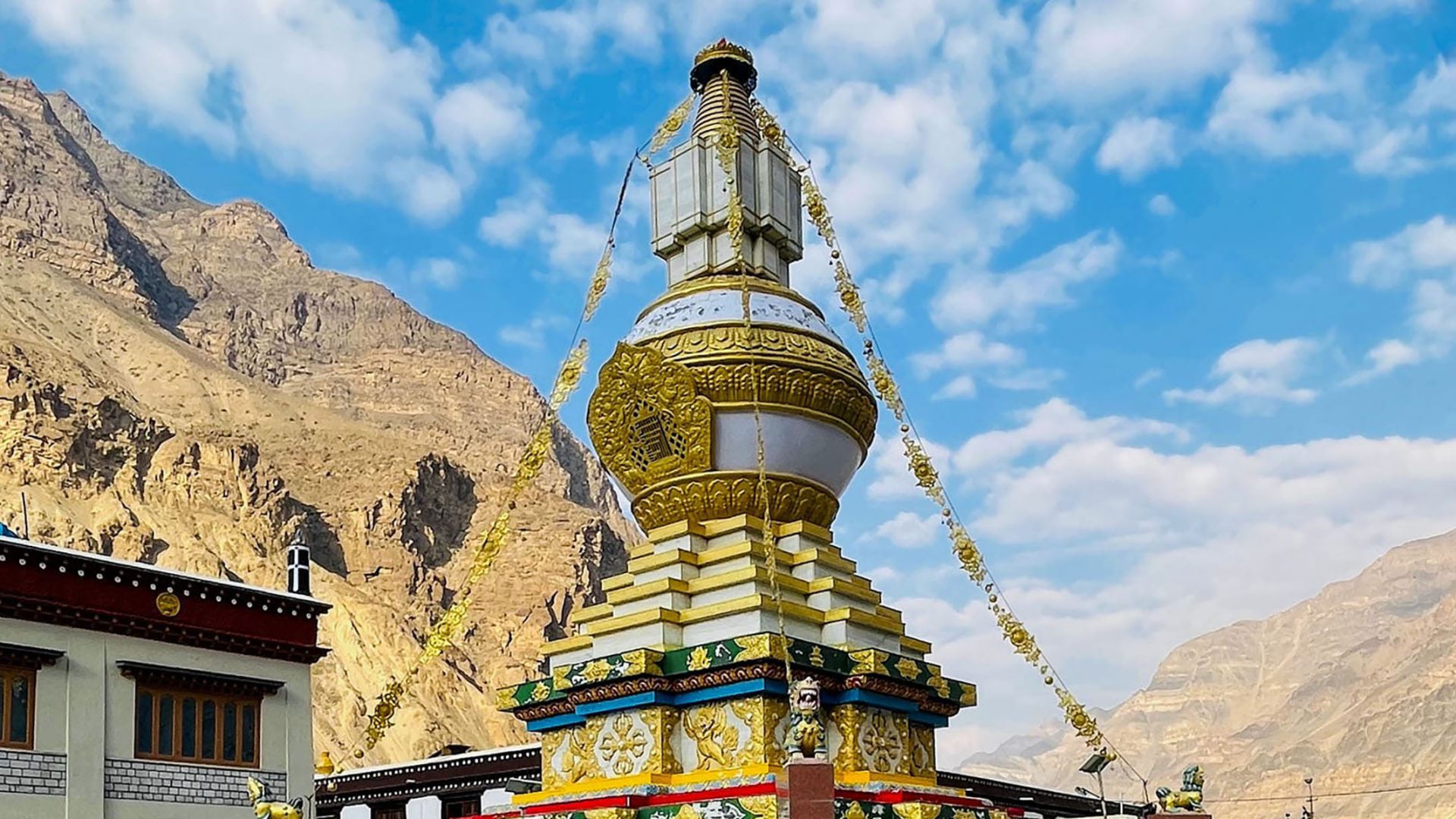
1. Visit Ancient Tabo Monastery: The most popular attraction in Tabo is its famous monastery complex which dates back to 996 AD. Tabo monastery has a giant in history and heritage. It is one of the oldest continuously inhabited monasteries in India and houses some amazing Buddhist artworks such as wall paintings, sculptures, thangkas (Tibetan scroll paintings) and murals. Visitors can explore this magnificent structure and learn about Buddhism and its practices. All of its 9 temples and many stupas are made out of the mud and have been standing like this for their entire existence which is no less than a wonder in itself. Monastery itself is a home of more than 50 monks.
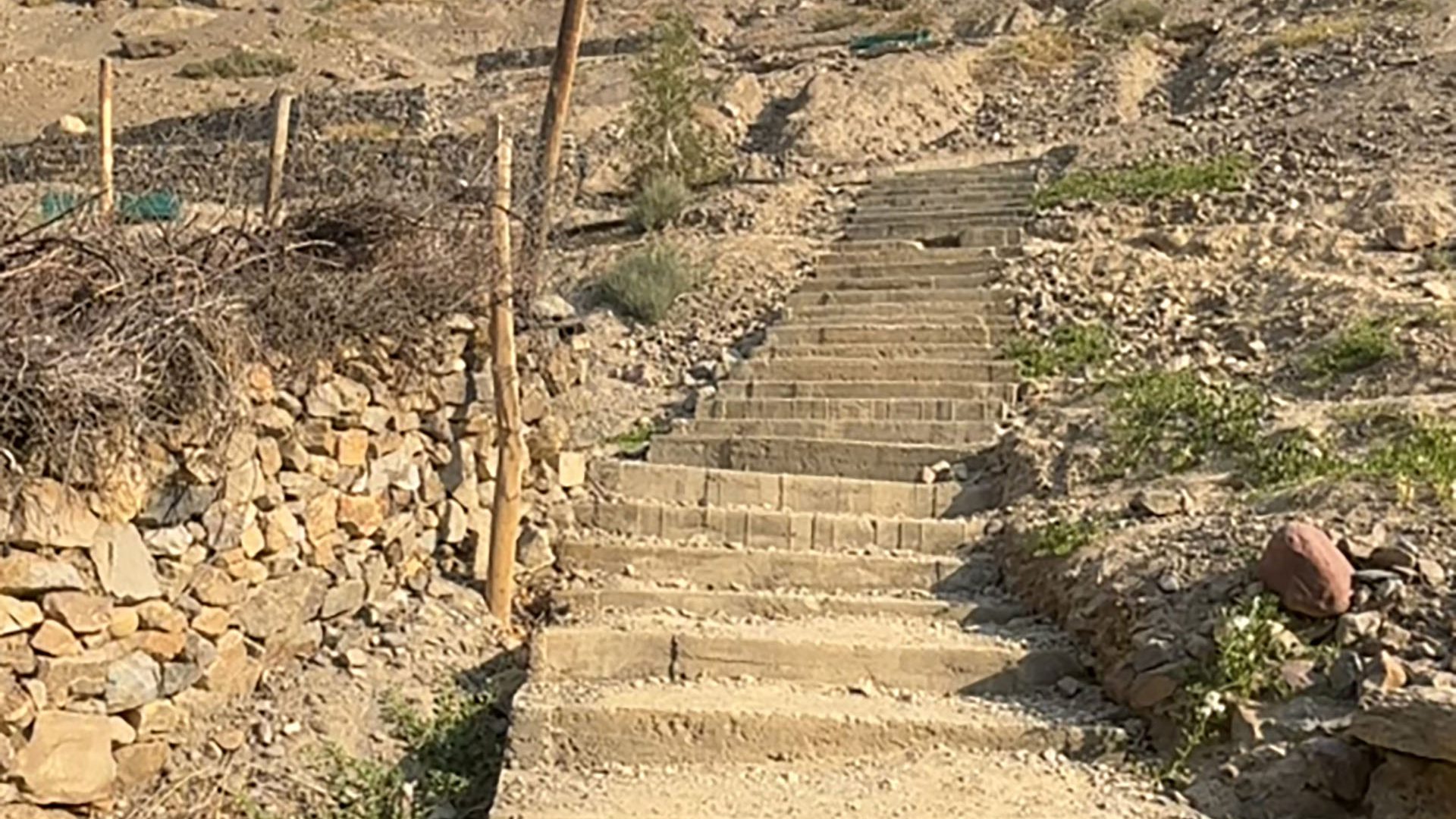
2. Tabo Caves: At the top of the list of places to visit around Tabo is a collection of ancient caves situated on a hill adjacent to the village. The age and origin of these caves remain unknown; however, it’s believed that they were artificially excavated for monks to use as assembly halls in ancient times. Over time, people began inhabiting them in order to withstand Spiti’s harsh winter climate. To this day, some are still used by monks for meditation and adorned with prayer flags.
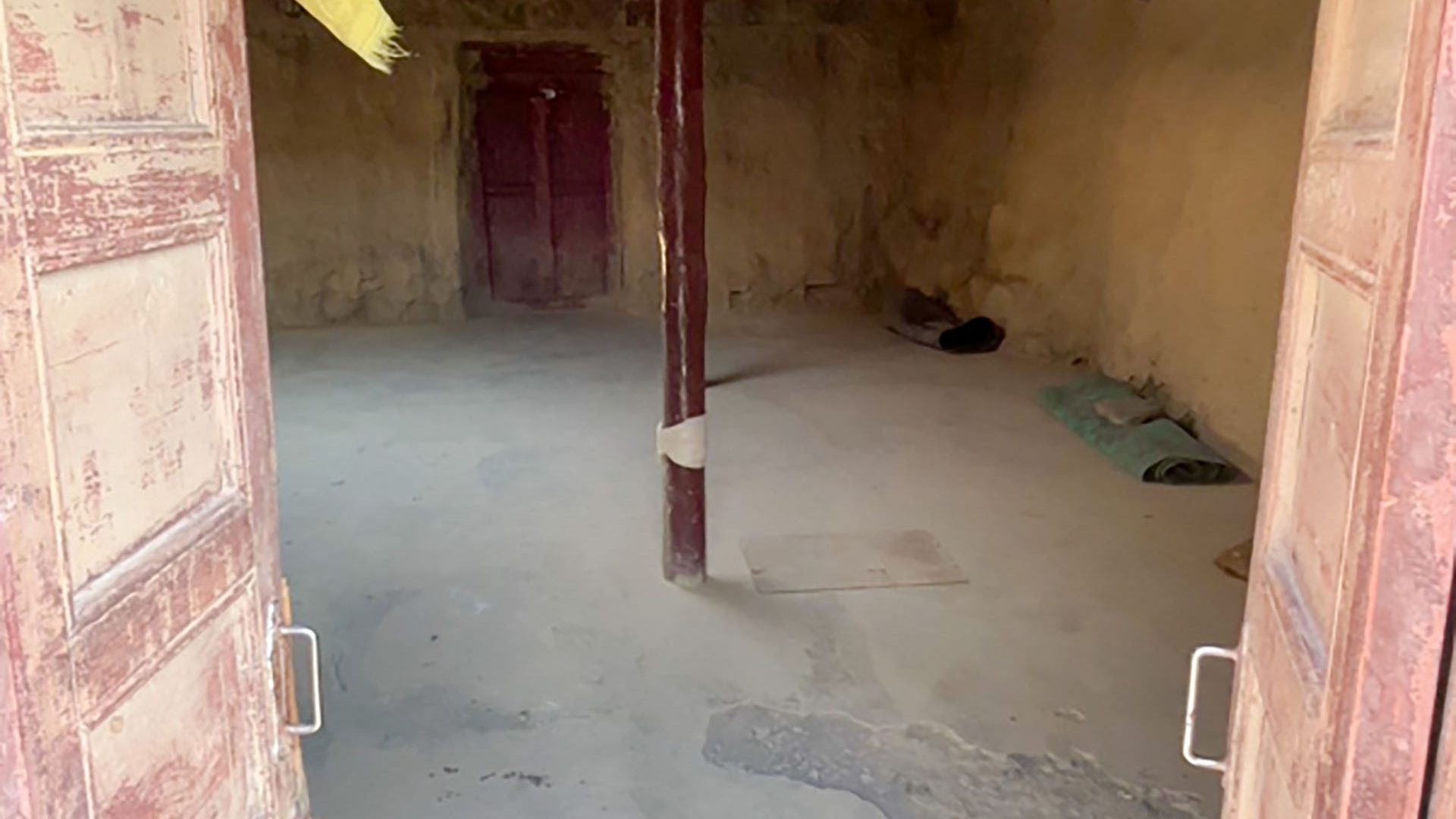
The caves are located just above the ancient Tabo Monastery and overlooking the Spiti River are caves that encompass a remarkable architecture, with smooth floors and walls and narrow entrances leading to multiple small rooms. These chambers allow sunlight and warmth in through their wide openings, making for an awe-inspiring testament to custom and tradition.
3. Monastery Museum & Library: A new building is currently being built next to the old Gompa to house a collection of monastery artifacts and historical photos, as well as a small library containing rare books on Tibet and Buddhism written in English for those interested in learning more about Tibetan Buddhism.
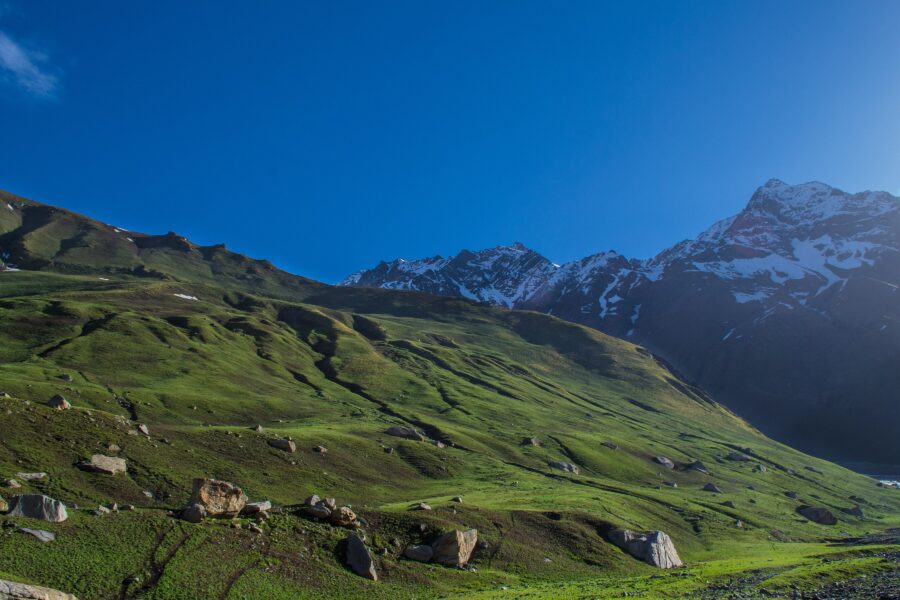
4. Trekking: The Spiti Valley is a paradise for trekkers with its snow-capped mountains, lush green meadows and crystal-clear lakes. Trekking in Tabo gives you the opportunity to explore this stunning landscape while enjoying the fresh mountain air and spectacular views of the Himalayas. Popular treks include Pin Parvati Pass, Chandratal Lake Trek and Chandra Khani Pass Trek.
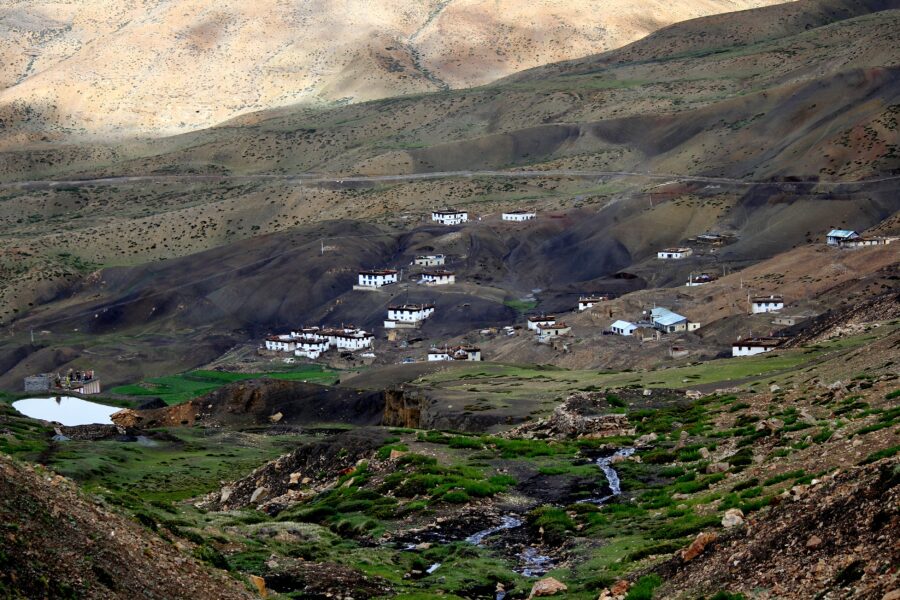
5. Visit Traditional Villages: Tabo is home to some traditional villages that offer visitors an insight into rural life in India’s remote regions. These villages are full of interesting people, who will be more than happy to show you around their homes and share stories about their daily lives.
6. Cultural Festivals: Tabo is a great place to witness traditional cultural festivals such as Losar and Dzongri Festival which are celebrated each year in winter. During these festivals, visitors can enjoy the colourful performances by local musicians and dancers, take part in religious rituals and learn more about local customs. The most popular festival is the Chakhar Festival, held every three years in either September or October. It is dedicated to the peace and happiness of all.
7. Go Shopping: Tabo has some interesting shops that offer everything from traditional handicrafts to souvenirs for tourists. Visitors can also pick up locally made items like woolen shawls, hand-painted masks and wooden ornaments at reasonable prices.
8. Try Local Cuisine: The local cuisine in Tabo is a delicious mix of Indian and Tibetan dishes. From momos (dumplings) to thukpa (noodle soup), visitors can enjoy a variety of traditional dishes that are sure to tantalize their taste buds.
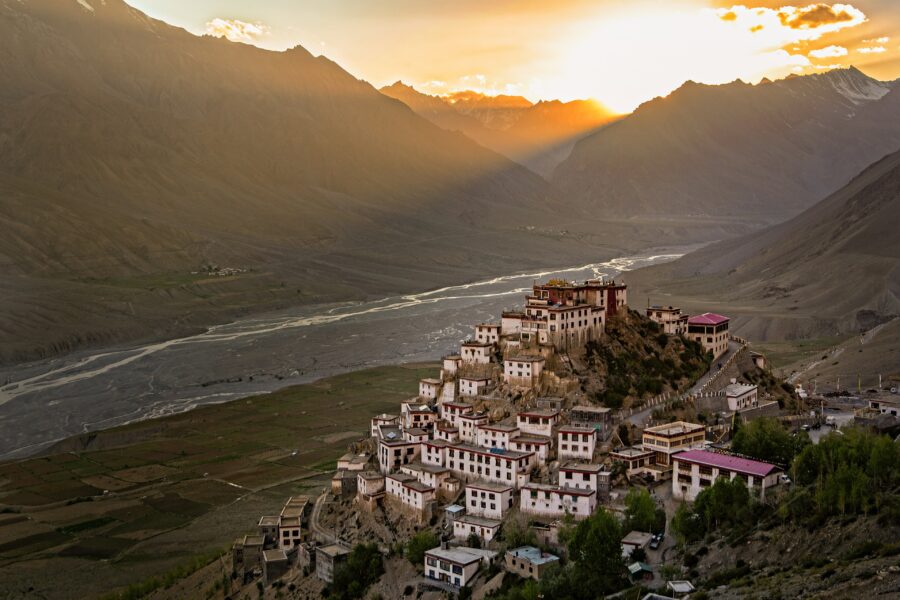
9. Visit Nearby Attractions: Tabo is a great base for exploring the nearby attractions such as Key Monastery, Dhankar Lake and Kunzum Pass. Visitors can also take part in adventure activities such as paragliding and white-water rafting in Kullu Valley which is just a few hours away from Tabo Village.
10. Camping: You can camp near Tabo Village, provided you take care to not pollute any water sources as locals depend on them for drinking water. Make sure to bury your biodegradable waste deep in the ground and carry your non-biodegradable waste. If you wish, you may also trek around the village with permission from the villagers, after paying a small amount of money to the landowner. Additionally, discuss using their toilets and sourcing food from them beforehand.
FAQs About Tabo Village
Where to stay in Tabo? Can I stay in Tabo Monastery?
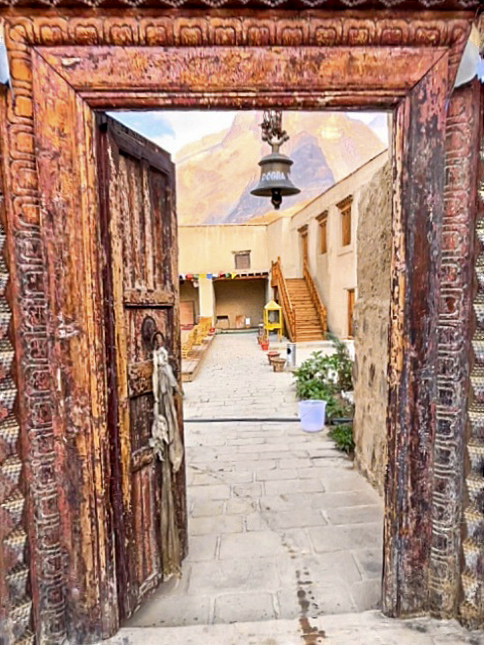
Stay in the Monastery
For those travelling on a budget, staying overnight at the Tabo Monastery is an economical option. For just Rs. 500 per night, visitors can rent a double bedroom with an attached bathroom (meals not included). While the stay may be basic, it offers guests the opportunity to observe monk life and engage in conversations with some of them.
Homestay
A lot of people prefer staying in a homestay over a hotel when travelling, as it allows them to experience the local culture more intimately. Tabo Homestay and Phuntsok Homestay are two such options located close to the monastery complex. You can contact them at 09418576181 for further information.
Hotel and guest house
Hotels in Tabo offer comfortable accommodation options ranging from budget-friendly guest houses to luxury hotels. The guest houses are usually basic but come with all the necessary amenities such as air conditioning, Wi-Fi and room service. These provide an ideal option for those travelling on a tight budget or looking for an authentic experience of staying in Tabo.
The price range for accommodation, regardless of whether it is a hotel, guest house or homestay, is typically around Rs. 1500 to Rs 2000 per day; however, if you choose to stay in a homestay, please make sure that their tariff includes meals (if applicable) and how many.
Are there any food and water sources available in Tabo?
Yes, there are food and water sources available in Tabo. The town has several restaurants, cafes, and grocery stores names like Tiger’s Den, Kunzom Top, The Third Eye that provide a variety of local and international cuisine. There are also several natural springs in the area providing clean drinking water for locals and visitors alike.
What is Tabo famous for?
It is famous for its ancient Buddhist monastery and as an important stopover on the popular tourist circuit between Manali and Leh. The Tabo Monastery was founded in 996 CE by Rinchen Zangpo, a Tibetan monk from western Tibet. It contains some of the oldest surviving wall paintings and manuscripts in all of South Asia. The Tabo Monastery is also known for its sacred artifacts, including a collection of hundreds of ancient thangkas (scroll paintings).
What is the altitude of Tabo?
Tabo is located in the Spiti district of Himachal Pradesh, India. The altitude of Tabo is 3,050 meters (10,007 feet) above sea level.
What type of mobile connectivity is available in Tabo?
Tabo does not have a strong connection. Usually, the network comes and goes. The phone signals were present but with inferior connectivity. BSNL works the best in these areas.
Are there any hospital and petrol pumps near Tabo?
The nearest hospital is the Government Hospital in Kaza, located about 10 km away from Tabo. There are also a few private clinics in the area. In terms of petrol pumps, there is an HPCL outlet at Chandra Taal (about 15 km away) and another one at Losar (about 20 km away).
What type of weather to expect in Tabo?
Tabo generally has a temperate climate with warm summers and cool winters. The average temperature in summer is around 25°C (77°F) while the average winter temperature is -3°C (27°F). Precipitation is usually quite low, averaging only about 150 mm per year. Snowfall can occur during winter months but it is usually light.
How to reach Tabo from Delhi?
The most suitable way to travel from Delhi to Tabo would be by your own vehicle, as it will provide you with the flexibility to explore other places on the way and also control your schedule. If travelling between June and September, one can enter through Shimla and exit at Manali; however, if travelling outside of this period, it is necessary to reach via Shimla and return the same route.
The Conclusion
That brings us to the end of this post on Tabo in Spiti valley
I hope the information above on visiting Tabo Village was of help.
If you have any questions, drop in a comment below.


Leave a Reply