
How to Train for High Altitude Treks in Himalayas
 Aditya Bansal
·9 min read
·21 Jun 2026
Aditya Bansal
·9 min read
·21 Jun 2026
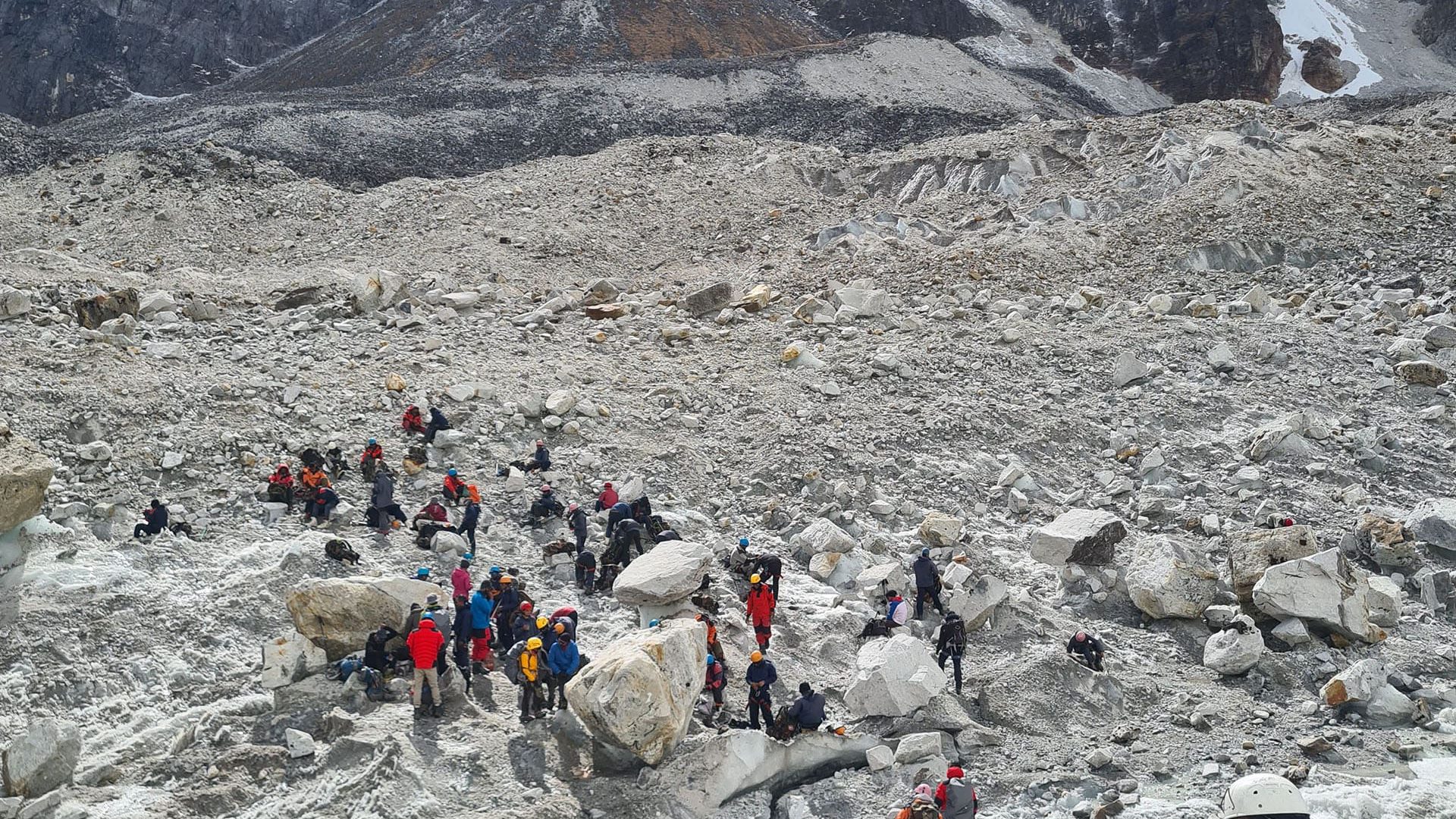
If you are wondering how to best prepare for a trek in the Himalayas when your local environment doesn’t have the same terrain and altitude, don’t worry. Here is a helpful training plan that will help ensure you have energy throughout each day of your trek as well as allowing for easy recovery while resting with minimal soreness.
Training for a high-altitude trek in the Himalayas should begin at least three months prior to the start of your trek. Start by gradually increasing your aerobic endurance through activities such as running, cycling or swimming.
You can also add strength training exercises to build up muscle and reduce fatigue on longer treks. It is important to give yourself adequate rest periods during this time so that you don’t overtrain and become injured or exhausted before you even set off on your trip.
Additionally, you should practice using any special equipment like crampons or ice axes that may be needed for higher altitudes – this will help prepare you for more technical terrain ahead.
How to Prepare Your Body and Mind for a High-Altitude Trek in the Himalayas
Get fit: High-altitude treks in the Himalayas are physically demanding and require a certain level of fitness before you embark on your journey. Start an exercise regimen that includes strength training, cardiovascular exercises, stretching, and agility drills to increase your endurance and stamina.
Prepare mentally: Trekking in the Himalayas is an adventure that requires both physical and mental preparation. Make sure you are mentally prepared to face the challenge of trekking in a remote and unfamiliar environment. Visualize yourself completing the trek successfully, stay positive, and take breaks when necessary.
Start climbing stairs or hills regularly: this will build up your leg strength and improve cardiovascular endurance which are both essential for trekking in high altitude areas like the Himalayas.
Stay hydrated: Drink plenty of fluids while trekking in order to avoid dehydration which can be dangerous at high altitudes due to lack of oxygen in the air. Carry electrolyte drinks or sports drink with you on your journey for extra energy and nutrients during long hikes or climbs up steep slopes.
Listen to your body: The most important thing is to listen to your body and take regular breaks if you feel tired or out of breath. Don’t push yourself too hard, as it can be dangerous in high altitudes with low oxygen levels.
What does it mean Building Endurance and Strength for a Challenging Himalayan Trek
Building endurance and strength for a challenging Himalayan trek is the process of physically preparing one’s body to make a successful journey through the mountains. This involves doing exercises that focus on building muscular strength, cardiovascular fitness, core stability, balance, agility, flexibility and mental toughness.
Strength training is important in order to build muscle mass which will help carry heavy loads up the mountain. Exercises such as squats, lunges and planks can be used to strengthen leg muscles while push-ups and pull-ups can target upper body muscles. It is also important to include core exercises such as sit-ups or crunches into your routine so that you have better control over your movements when carrying heavy weights uphill.
Cardiovascular fitness is also important when trekking in the Himalayas. This can be achieved by doing aerobics activities such as running, cycling or swimming which will help your body to become more efficient at using oxygen and improving endurance levels.
Core stability exercises are another essential part of preparing for a Himalayan trek as they help to protect your spine from injury while on the trail. Exercises such as planks, bridges and mountain climbers are all good options that you can include into your routine.
Balance and agility training should also be included in order to prepare for uneven terrain along the way. Balance exercises like standing on one foot or walking heel-to-toe can help improve coordination while agility drills like jumping jacks or skipping can help you become more efficient in your movements.
Flexibility is also important when trekking in the Himalayas as it will allow you to move freely and comfortably on the trail while carrying a heavy load. Stretching or yoga are both great ways to improve flexibility and should be done regularly throughout your training program.
Finally, mental toughness is key for any challenging trek, especially one through the Himalayas. This means developing strategies for dealing with fatigue, hunger and other challenges that may arise during the journey so that you can stay focused and motivated even when faced with difficult conditions.
Everything You Need to Know about Acclimatization before Heading into The Mountains
Acclimatization is a process of adjusting to the environment and altitude when traveling in mountainous areas. This adjustment can take several days or even weeks, depending on how high you are going and how well your body adjusts. It involves adapting to lower oxygen levels, changing temperatures, and more intense sunlight.
The first step in acclimatizing is understanding the risks associated with mountain climbing. Altitude sickness occurs when there isn’t enough oxygen at higher altitudes for your body to function properly. Symptoms include headache, nausea, dizziness, fatigue, shortness of breath and loss of appetite. If any of these symptoms occur while you’re climbing it’s important that you stop immediately and descend until they subside.
To help your body adjust more quickly, it’s important to pace yourself when ascending and allow for rest days at higher altitudes. Drink plenty of fluids and avoid alcohol, which can dehydrate the body faster. Eat a balanced diet with enough calories to maintain energy levels during your climb.
It’s also important to acclimatize properly by slowly increasing the altitude you reach each day. For example, if you plan on climbing to 6,000 feet (1,829 meters), it may be best to start out at 5,000 feet (1,524 meters) or lower before attempting a summit push. You should also take regular breaks while climbing and focus on deep breathing exercises in order to get enough oxygen into your body.
Finally, it’s important that you monitor yourself carefully while climbing and pay attention to any signs of altitude sickness. If symptoms persist or worsen, it’s best to descend immediately and seek medical help if necessary. Acclimatization is an essential part of mountain travel and should not be taken lightly. With proper planning and preparation, however, it can be a safe and enjoyable experience.
What you should Include in your Trek Preparation
Increase your cardiovascular endurance: You will need to build up your endurance for long-distance hikes in the Himalayas. To do this, you should start with a regular aerobic exercise program that includes running, swimming, biking or brisk walking at least three times a week for 30 minutes each session. As your fitness level improves, increase the intensity and duration of these sessions until you are able to complete an hour-long workout without feeling exhausted.
Strengthen your leg muscles: The higher altitude treks require strong leg muscles to help support your body weight while climbing uphill and carrying heavy backpacks over long distances. It is important to focus on strengthening your quadriceps (front thigh muscles), hamstrings (back thigh muscles) and calf muscles. Squats, lunges, step-ups and leg presses are all important exercises to incorporate into your training program.
Improve your balance: Being able to maintain balance is a key factor for successful high-altitude treks in the Himalayas. To help improve your balance you should practice standing on one foot with eyes closed or perform single-leg squats while holding onto a wall or railing for support if needed.
Increase your core strength: A strong core will help you maintain good posture and reduce fatigue while hiking in the mountains. Incorporate exercises such as planks, side planks, crunches and bridges into your training program to target all of the abdominal muscles.
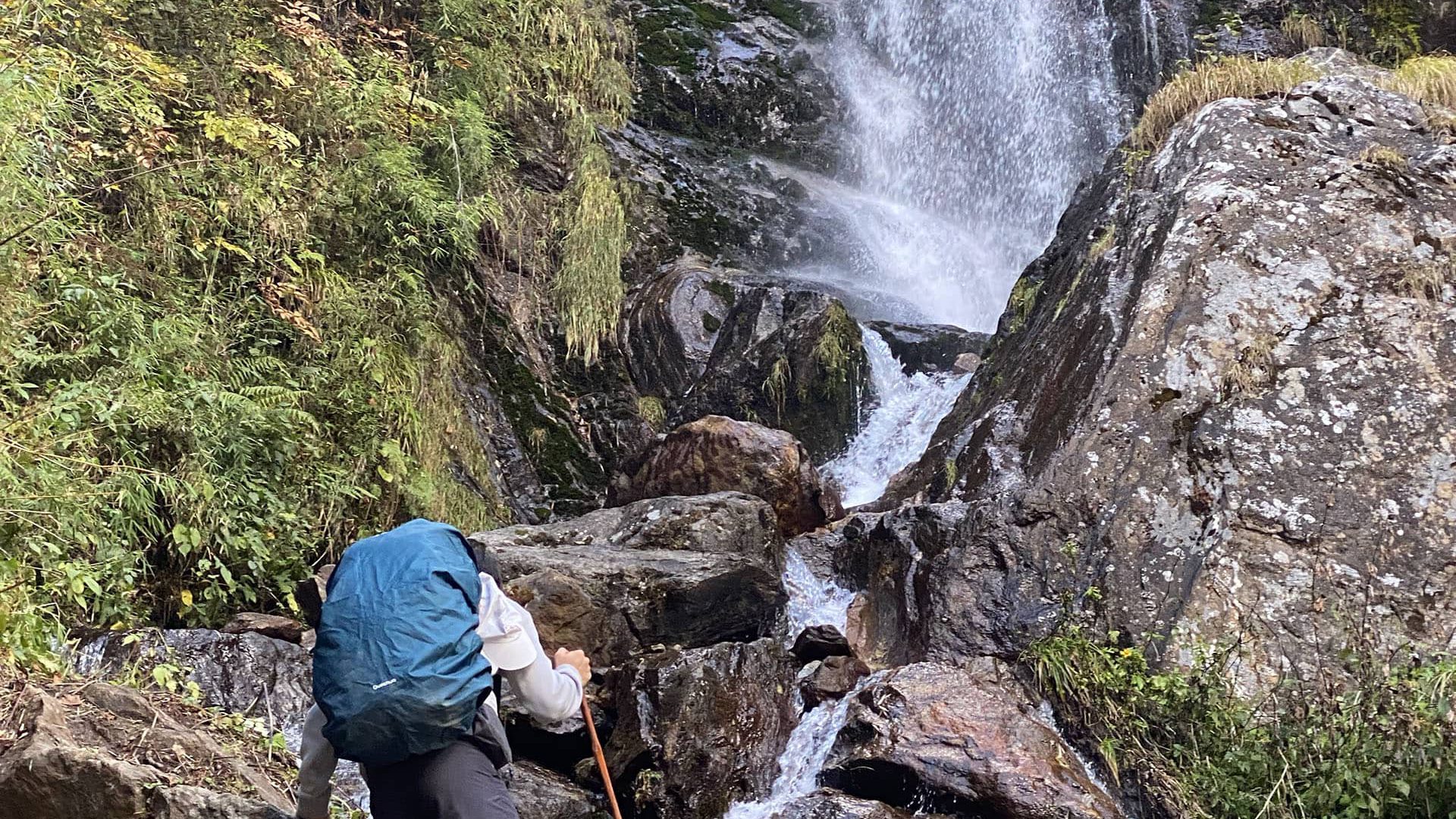
Practice hiking: To get used to walking on uneven terrain it is important to practice hiking before embarking on a high-altitude trek in the Himalayas. Start by taking short hikes in nearby hills or trails with a light pack that gradually gets heavier as you become more comfortable with walking uphill and downhill for longer periods of time.
Essential Training Tips for High Altitude Treks in the Himalayas
Increase your cardio and aerobic capacity by running, cycling or swimming for at least 30 minutes a day.
Strengthen your core muscles with exercises such as planks and crunches to help you stay balanced on uneven terrain.
Join an altitude training program in order to acclimatize yourself to the thinner air of higher altitudes before attempting any treks in the Himalayas.
Practice stretching regularly flexibility is important when trekking long distances over rough terrain, so regular stretching will help you stay limber.
Increase your resistance training this type of exercise helps build muscle strength and endurance which is essential for any trekking adventure in the Himalayas.
Practice walking with a heavy backpack this will help you get used to carrying weight over long distances and give you an idea of how much gear and supplies to bring on your next trekking trip in the Himalayas.
Wear proper footwear when training wearing shoes designed specifically for hiking or trail running can greatly reduce fatigue, blisters, and general discomfort while trekking in high altitude areas like the Himalayas.
Pack Light High-altitude treks require carrying an additional amount of gear, but try to pack light – choose multifunctional items that will help reduce your load without compromising on necessary equipment for the trek ahead.
Hire a Guide It’s always a good idea to hire an experienced local guide who can provide valuable information and help you navigate your way through the Himalayas.
Last but not least – enjoy the experience! High altitude treks in the Himalayas are an incredible adventure, so make sure to take it all in and savour every moment!
Conclusion
That brings us to the end of this post on How to train for high altitude treks in Himalayas
At the end of it all, it boils down to simple basic things – your fitness.
Follow the tips we have shared. Work on your fitness for a minimum of 45 days before your trek.
If you can take care of these areas, you will have a good High altitude Himalayan trek without fail.
If you have any questions, drop in a comment below.

Leave a Reply