
 Aditya Bansal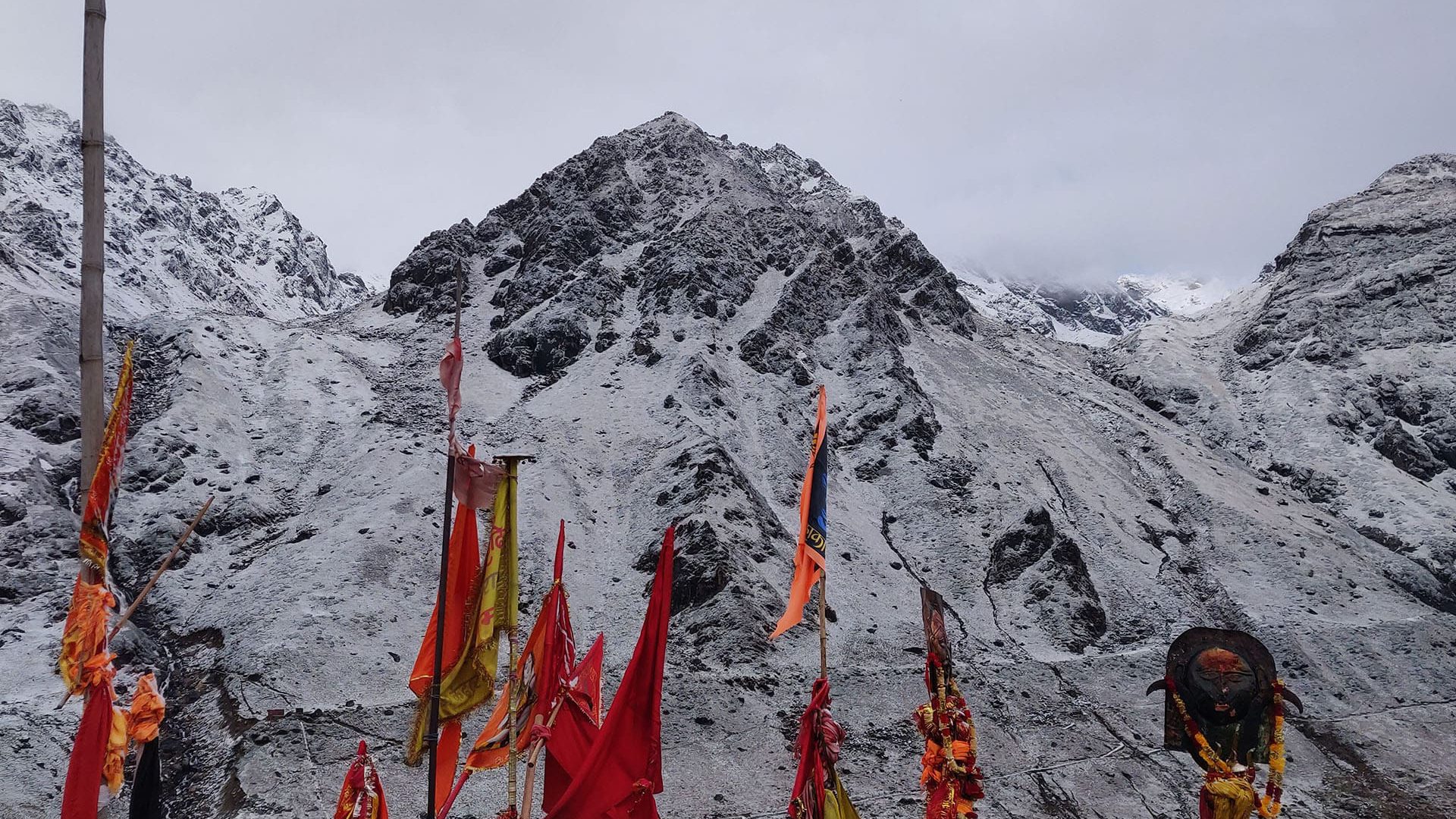
Kedarnath Yatra is a pilgrimage to the holy shrine of Lord Shiva located in the Garhwal Himalayas in Uttarakhand, India. Here in this article, we have shared the opening and closing date of Kedarnath temple in Char Dham Yatra 2023 & Complete Travel guide for how to reach, registration & helicopter services. It is one of the four major sites in India’s Chota Char Dham pilgrimage circuit. The other three sites are Badrinath, Gangotri and Yamunotri.
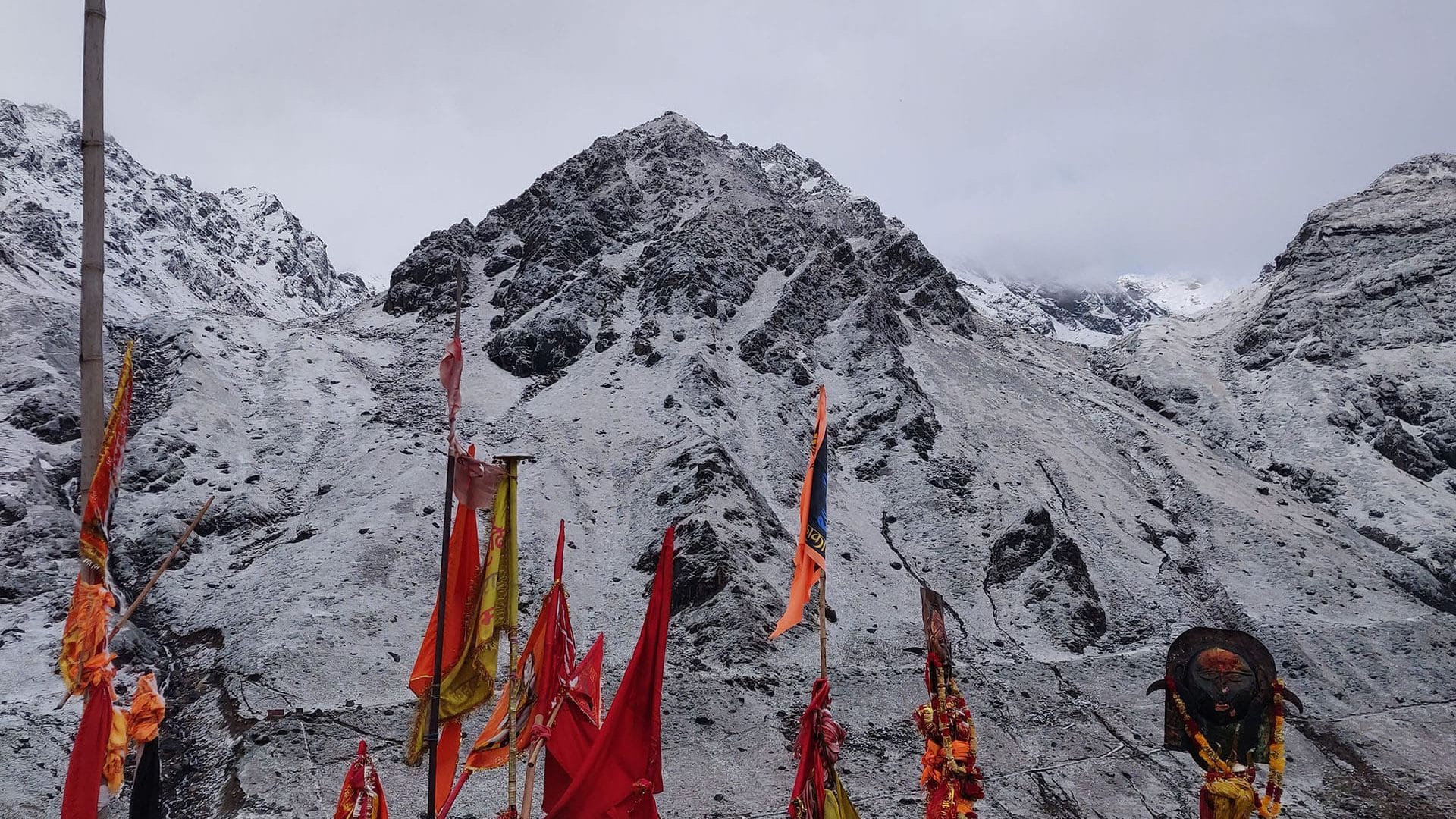
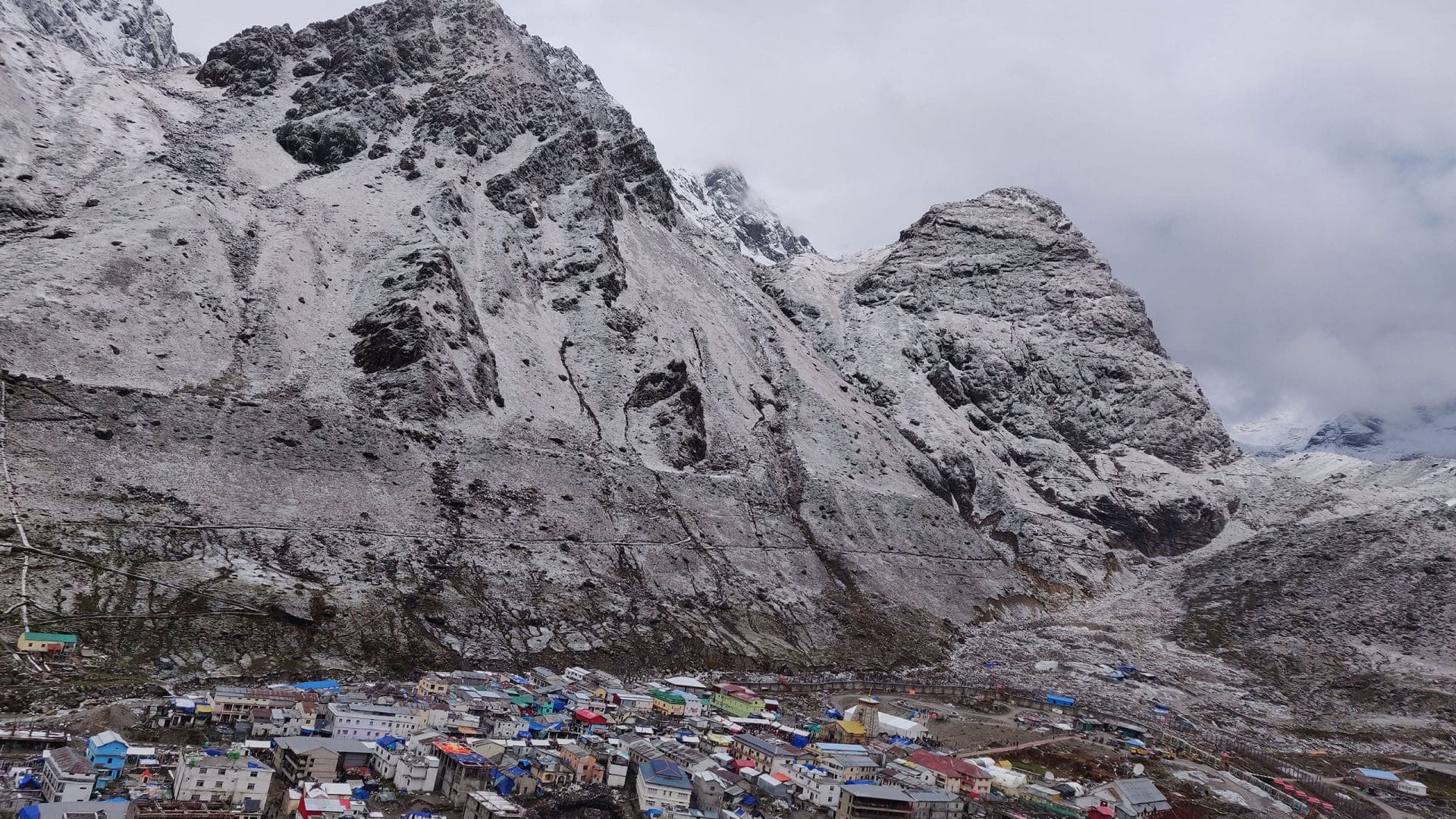
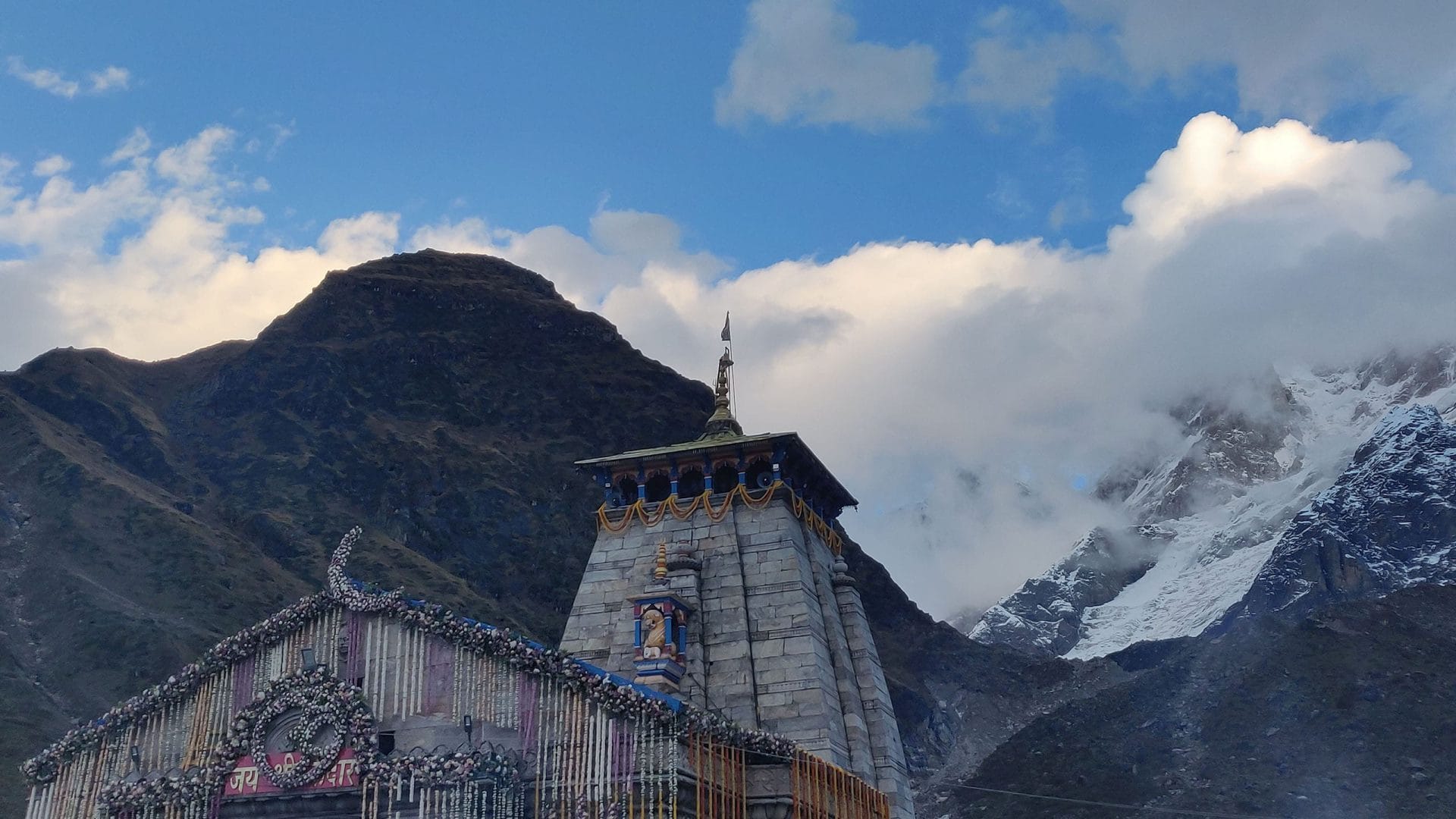
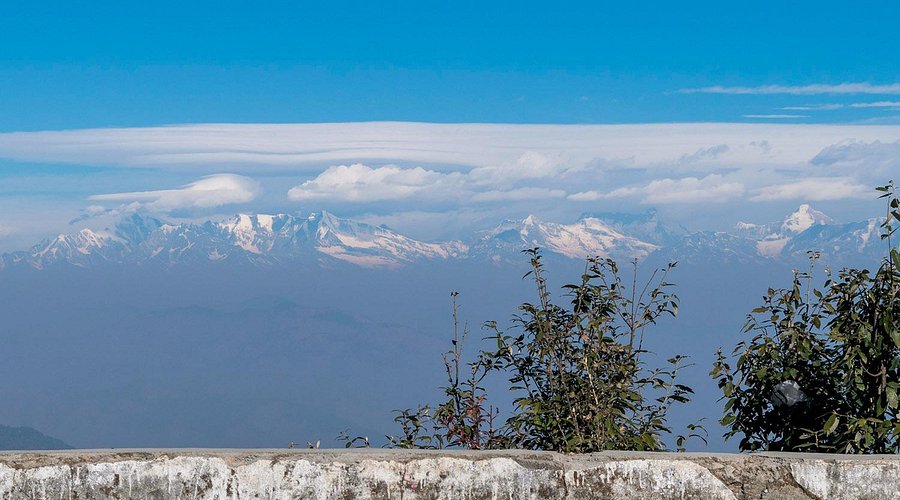
Kedarnath is located at an altitude of 3,583 m (11,755 ft) above sea level. Kedarnath, situated near the Chorabari Glacier – the source of the Mandakini River, is surrounded by snow-capped peaks such as the Kedarnath mountain (6,940 mts) and the Kedar Dome (6,831 mts) and is one of the highest Shiva temples in the world. The temple is believed to have been built by the Pandavas, the five brothers of the Mahabharata epic.
The Kedarnath Yatra usually begins from Haridwar or Rishikesh and takes pilgrims through the picturesque towns of Devprayag, Rudraprayag, Agastyamuni, Guptkashi, and Gaurikund. The trek to Kedarnath is a challenging one and requires a lot of physical fitness.
The yatra usually takes place between April and November when the weather is pleasant. During this time, thousands of devotees visit the temple to seek blessings from Lord Shiva.
This complete travel guide for Kedarnath Yatra in 2023 provides you all the essential information you need to make your spiritual journey a sense of peace and contentment.
Kedarnath Yatra Opening and Closing Date 2023
The date for the opening of the Kedarnath temple is determined by the priest of Omkareshwar temple in Ukhimath, based on the Hindu panchang, on the auspicious day of Akshay Tritya, which is usually celebrated on Maha Shivratri.
The shrine is then closed on the day of Bhai dooj, which falls after Diwali in November. The grand closing ceremony of Kedarnath Dham is marked by Pahadi Bands carrying the Baba Kedar Doli to its winter home i.e., the Omkareshwar Temple in Ukhimath.
How the Kedarnath Temple Opening & Closing Dates are Decided?
The opening and closing dates of the Kedarnath Temple are decided by the Rawal (priest) of the temple in consultation with the local administration. The opening and closing dates are usually decided based on the Hindu calendar and the weather conditions in the region. Generally, the temple opens on Akshaya Tritiya (the third day of the bright half of the Hindu lunar month of Vaishakha) and closes on Bhai Dooj (the second day of the bright half of the Hindu lunar month of Kartik).
How to Register for Kedarnath Yatra 2023
On Basant Panchami, the head priest of Shri Kedarnath Temple announced that devotees from all over the world can visit the temple on 26th April 2023. This news has sparked excitement among people from India and abroad who are now making plans to visit Badrinath, Kedarnath, Gangotri, and Yamunotri temples located in the Himalayan valley of Uttarakhand.
Registration for worship, aarti, etc. can be done online. After registration, pilgrims will receive a pass. Due to Covid-19, darshans were closed for the last two years but now they are open again and the government is hopeful that many devotees will visit Kedarnath this year. The Government of Uttarakhand and the Board of Management of Kedarnath Yatra have made it easier for pilgrims to register for visits to Badrinath Kedarnath, Gangotri, and Yamunotri temples by providing an online registration facility. All the information regarding Char Dham Yatra can be found on the official website of UCCDMB-Uttarakhand Kedarnath Devasthanam Management Board.
Registration process of the Kedarnath Temple in Char Dham Yatra 2023 is as follows:
1. Visit the official website of the Uttarakhand Tourism Development Board (UTDB).
2. Click on the ‘Kedarnath Yatra 2023’ link.
3. Fill in the registration form with all the required details such as name, address, contact number, etc.
4. Upload a scanned copy of your identity proof such as Aadhar card, PAN card, etc.
5. Make the payment for the registration fee.
6. Once the registration is complete, you will receive a confirmation email with all the details of your registration.
How to Reach Kedarnath Temple
If you want to reach Kedarnath Temple from any part of India. Then Gaurikund will be your last destination by road, Gaurikund, located 18 km away from Kedarnath, is the nearest road head to the important towns of Uttarakhand.
Your City → Haridwar / Rishikesh → Devprayag → Srinagar → Rudraprayag → Sonprayag → Gaurikund and then finally 16 km trek to reach Kedarnath Temple.
Note: The one thing no one tells you is that the official trek is 16 km on the boards but the actual distance has been varied since the new route has been developed after the tragedy which is around 22 km (be prepared accordingly).
By Air: The closest airport to Kedarnath is Jolly Grant Airport, Dehradun, located at a distance of 238 km. This airport has daily flights to Delhi and taxis are easily available from the airport to Gaurikund.
By Rail: Rishikesh is the nearest railway station to Kedarnath, situated at a distance of 216 km on NH58. Gaurikund is well connected by motorable roads with Rishikesh and taxis and buses are easily available to reach Gaurikund.
By Road: Gaurikund is the last motorable point before Kedarnath. It is connected with major destinations in North India and buses and shared cabs are available from Haridwar, Rishikesh & Rudraprayag to Sonprayag, the last point until which private vehicles are allowed.
Buses to Rishikesh and Srinagar are available from ISBT, Kashmiri Gate. From Sonprayag, the government offers a shared cab facility which will drop you in Gaurikund for a fee of 50rs.
By Helicopter: If trekking isn’t your thing, you can always opt for a helicopter ride instead. Helicopter services are available from various helipads such as Guptkashi, Sersi, Phata, etc.
*Also know How to Book Helipocter for Kedarnath Temple (FAQs)
Kedarnath Trek Travel Guide
Gaurikund → Bhairon Chatti → Bheembali → Linchauli → Kedarnath Base Camp → Kedarnath Temple
Kedarnath Temple Trek can be done
By Walking
By Ponies
By Palkies
Walking is the most common way to reach the temple. It takes around 8-10 hours to reach the temple from Gaurikund. The road to Kedarnath Temple only goes as far as Gaurikund. After that, one must embark on a 16 km trek to the sacred shrine. The temple is stunningly situated on the banks of the Mandakini River.
Ponies and Palkies are also available for hire from Gaurikund to Kedarnath. Horses, ponies and Palkis are available to help with the steep climb. Price charges for both Palkis and Ponies depend upon the distance, nature of the trip, one way/round way, uphill/downhill journey, same/next day return and the weight of the passenger.
After the devastating flash flood of 2013, efforts are being made to restore the glory of the trekking path to Kedarnath. This new route is constructed by NIM team member.The Nehru Mountaineering Institute has set up rest stops at regular intervals along the way for pilgrims to take a break.
Best Time to Visit Kedarnath Temple
The ideal time to visit Kedarnath is from April to the onset of monsoons in June, and again from September to October when the season ends. The climate is cold throughout the year.
April to June are the ideal months for visiting both Kedarnath and Badrinath temples. Gangotri and Yamunotri, being situated at a higher altitude, experience summer a bit later, usually starting at the end of April.
Weather in Kedarnath
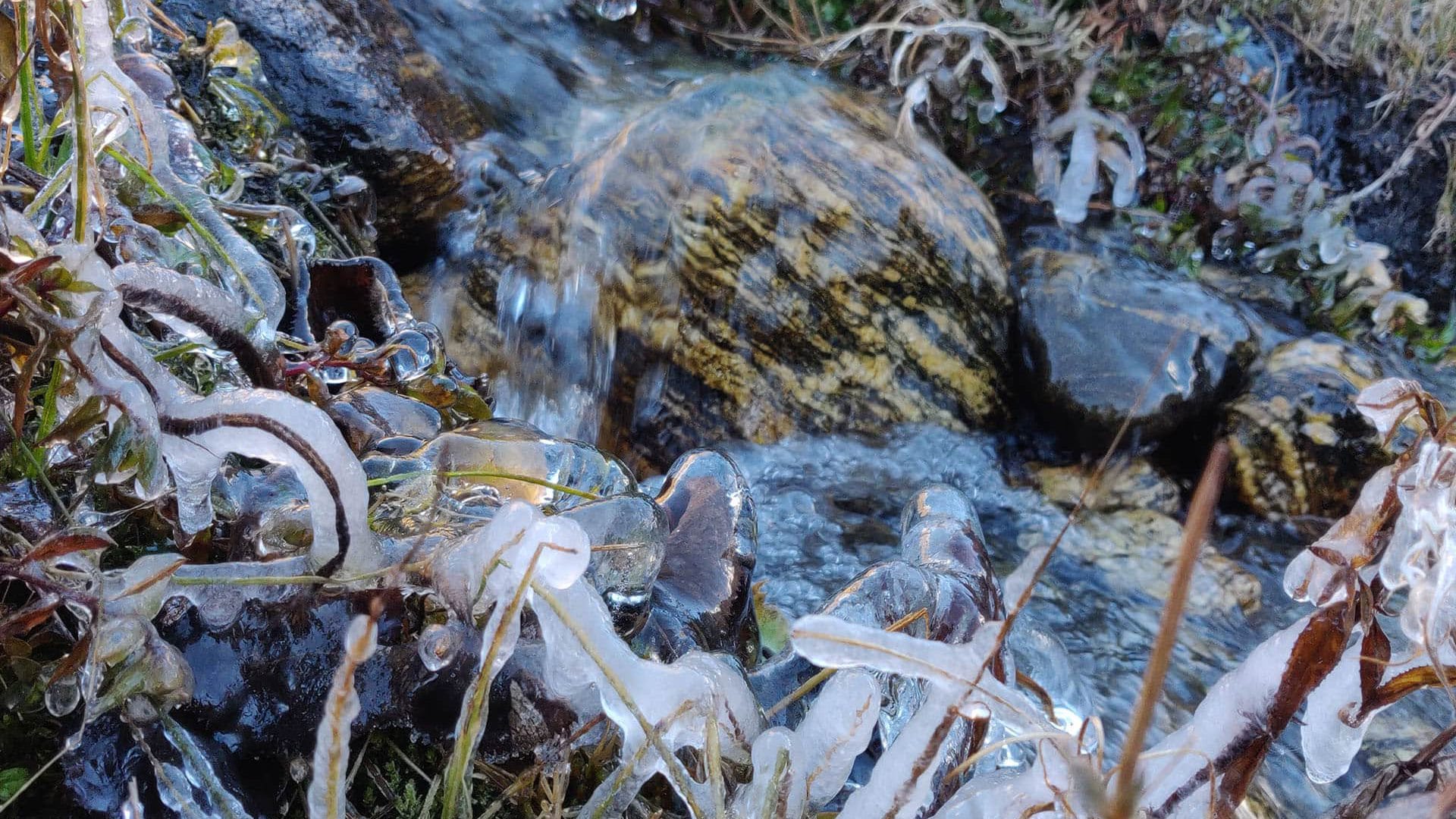
All the temples of the Char Dham Yatra are located at high altitude in Uttarakhand, due to which winter temperatures often dip below zero, making trekking difficult or even impossible in Kedarnath.
Kedarnath’s climate is typical of the Himalayas, with cool summers and harsh winters. The average temperature in summer is around 17 degrees Celsius, making it ideal for sightseeing, temple visits and other activities.
Monsoon months can be difficult due to heavy rainfall, as seen in 2013. The temperature during this season is around 12 degrees Celsius. Winters are extremely cold and inhospitable, with temperatures often dropping below zero. During this time, the Lord Kedarnath’s palki is transferred to its winter abode near Guptakashi-Ukhimath, from November to April.History & Mythology
Kedarnath is known as the Lord of the field, due to its association with the “crop of liberation”. Although it is uncertain who built the temple and when, references to Kedarnath can be found as early as the 7th or 8th century. Additionally, it is believed that Adi Shankaracharya passed away in the vicinity of the sanctuary.
Kedarnath is a Hindu pilgrimage site located in the Garhwal Himalayan range in the state of Uttarakhand, India. It is one of the four major sites in India’s Char Dham pilgrimage. The temple is dedicated to Lord Shiva and is one of the twelve Jyotirlingas, the holiest of Shiva temples.
The history of Kedarnath is closely linked to the epic Mahabharata. According to legend, the Pandavas, five brothers who were protagonists in the Mahabharata, visited Kedarnath during their exile. It is believed that the Pandavas sought Lord Shiva’s blessings to atone for their sins of killing in the Kurukshetra war. Lord Shiva, however, was not pleased with them and decided to test them.
After the battle of Kurukshetra, the Pandavas went on a pilgrimage to Banaras in order to seek forgiveness for killing their own kin. However, Lord Shiva wanted to avoid meeting them and thus took refuge in Guptakashi. Despite their relentless search for the Lord, He decided to take the form of a buffalo so that they could not recognize Him. As the Pandavas drew closer, Shiva wanted to hide even further and thus went underground, becoming invisible. Bhīma tried to stop Him by holding on to His legs and tail, but the Lord vanished, leaving behind His hump which is now worshipped at the Kedarnath Temple.
It is believed that through cosmic energy, the Pandavas were absolved of their sins and Shiva informed them that He would be present in Jyotirlinga form at Kedarnath. Lord Shiva then blessed them and granted them forgiveness.
The temple of Kedarnath is believed to have been built by the Pandavas in the 8th century AD. The temple was destroyed by a massive flood in the 16th century and was later rebuilt by Adi Shankaracharya. The temple is a popular pilgrimage site and is visited by thousands of devotees every year
Kedarnath is also associated with several myths and legends. One such legend states that Lord Shiva once hid in a cave in Kedarnath to escape the wrath of the demon king Ravana. Another legend states that Lord Shiva once appeared in the form of a lingam at Kedarnath and blessed the Pandavas.
Kedarnath is an important pilgrimage site for Hindus and is considered to be one of the holiest places in India. The temple is a symbol of faith and devotion and is visited by thousands of devotees every year.
FAQs
Who built the Kedarnath Temple?
The Kedarnath Temple was built by the Pandavas, the five brothers from the Hindu epic Mahabharata. According to legend, the temple was built by the Pandavas to atone for their sins after the great battle of Kurukshetra. The temple is believed to have been built by the Pandavas in the 8th century CE. But the modern structure of the Kedarnath temple is said to be built by Guru Adi Shankaracharya.
Why the Kedarnath Yatra is famous?
The Kedarnath Yatra is famous for its spiritual significance and the scenic beauty of the region. It is believed that a visit to Kedarnath will bring peace and prosperity to one’s life. The temple of Lord Shiva at Kedarnath is one of the 12 Jyotirlingas, and is believed to be the site where Lord Shiva blessed his devotees with salvation. It is believed that Pandavas went to heaven from the path above the Kedarnath that why it is a major attraction for pilgrims.
What is the opening date of Kedarnath Dham in 2023?
The opening date of Kedarnath Dham in 2023 is April 26, 2023.
What is the closing date of Kedarnath Dham in 2023?
The Kedarnath Dham will be closed for two days after Diwali, on the occasion of Bhai Dooj. The exact closing date for 2023 will be announced on Vijaydashmi, with the tentative date being November 14th.
Where is Kedarnath Temple located?
Kedarnath, located in the Rudraprayag district, is the most secluded of all Chota Char Dham sites. It is situated near the Chorabari Glacier, which is the source of the Mandakini River, and is surrounded by snow-capped peaks, such as the Kedarnath mountain (6,940 mts) and the Kedar Dome (6,831 mts). At a distance of 223 KM from Rishikesh, this town is situated on a barren stretch of land along the banks of the river.
What is Kedarnath Temple pooja timings?
The Kedarnath Temple Pooja Timings are as follows:
Mangala Aarti: 4:00 AM
Shringar Aarti: 6:00 AM
Sandhya Aarti: 6:00 PM
Shayan Aarti: 8:00 PM
Kedarnath Dham Darshan times are: Morning: 5 AM-1:30 PM Evening: 5:30 PM-10 PM
Best hotels to stay in Kedarnath?
More than a thousand pilgrims and visitors can be accommodated in the government-run tented colony, cottages, and rooms run by GMVN. Additionally, there are hotels, guest houses, and Dharamshalas available.
However, Garhwal Mandal Vikas Nigam (GMVN) provides suitable accommodation for pilgrims. Bookings can be made through the GMVN official website, which offers dormitory beds in around four to five different camp sites, some with attached washrooms and others with common washrooms.
For those taking the journey via helicopter, stay locations such as Phata, Rampur, Gaurikund, and Sitapur are available.
How to do helicopter bookings for Kedarnath Yatra?
Checkout and Book the Services from Heli Services its Uttarakhand Govt Website, A round-trip ticket to Kedarnath from Phata costs Rs 6,990/-. Passengers can also purchase one-way tickets, such as Phata-Kedarnath or Kedarnath-Phata, if seats are available.
How to reach Kedarnath from Delhi?
The best way to reach Kedarnath from Delhi is by taking a train or bus to Haridwar Dehradun Jolly Grant Airport is the nearest airport and the nearest railway station is rishikesh and haridwar., then taking a taxi or bus to Gaurikund, the normal bus fare from Delhi to Kedarnath ranges from Rs 1000 to 1500 and finally trekking the remaining 16 km to Kedarnath.
How to reach Kedarnath from Dehradun?
The best way to reach Kedarnath from Dehradun is by road. The total distance between the two places is about 250 km and it takes around 8 hours to cover the entire journey. You can take a bus or hire a taxi from Dehradun to reach Kedarnath.
How far is Kedarnath Temple from helipad?
The distance between Kedarnath Temple and the Helipad is approximately 700 m which can be accessed within few Minutes. Daily Helicopter services are available in Kedarnath.
How old is Kedarnath Temple?
The Kedarnath Temple is believed to have been built in the 8th century CE which is around 3000-year-old by now.
What is name of the stone which saved Kedarnath Temple?
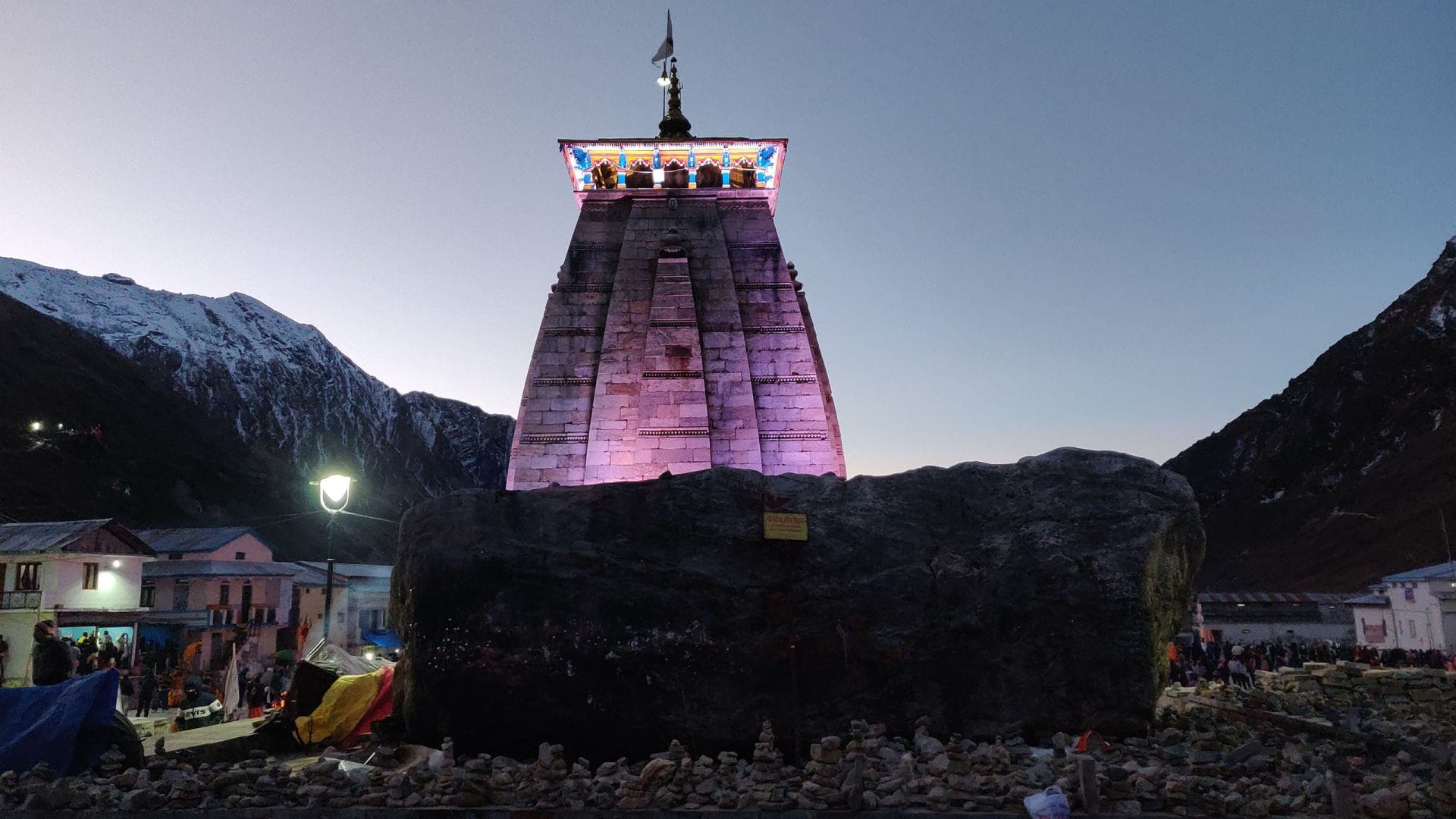
The stone that saved Kedarnath Temple is known as the Bheem Shila.
How Kedarnath Temple survived the flood?
The Kedarnath Temple survived the 2013 Uttarakhand floods due to its strong foundation and construction. The temple is built on a raised platform, which helped it withstand the force of the floodwaters. Additionally, the temple is located at an elevation of 3,583 meters (11,755 feet) above sea level, which helped it remain above the floodwaters. During the disaster, a huge rock (which is known as now Bheem Shila) worked as a barrier and protect the temple from extensive damage.
the temple also has a strong foundation, which was built using large stones and boulders. This helped to keep the temple from being washed away by the floodwaters.
What are the famous nearby destinations to visit from Kedarnath Dham?
1. Tungnath Temple: Located at a height of 3,680 meters, Tungnath Temple is the highest Shiva temple in the world and is one of the five sacred Panch Kedar temples located near Kedarnath.
2. Vasuki Tal: Located at an altitude of 4,135 meters, Vasuki Tal is a beautiful lake surrounded by snow-capped mountains.
3. Chopta: Located at an altitude of 2,680 meters, Chopta is a small hill station known for its picturesque views and trekking trails.
4. Deoria Tal: Located at an altitude of 2,438 meters, Deoria Tal is a beautiful lake surrounded by lush green meadows and snow-capped mountains.
5. Kalimath: Located at an altitude of 2,800 meters, Kalimath is a sacred temple dedicated to Goddess Kali and is one of the 108 Shakti Peethas.
6. Madhyamaheshwar: Located at an altitude of 3,289 meters, Madhyamaheshwar is a sacred temple dedicated to Lord Shiva and is one of the five Panch Kedar temples.
7. Agastyamuni: Located at an altitude of 2,744 meters, Agastyamuni is a sacred temple dedicated to Sage Agastya and is one of the 108 Shakti Peethas.

Leave a Reply