This is a DIY-readiness gauge - how do-able it is to plan and travel yourself. Destinations show it as a 0-5 DIY Score; treks & routes as a 0-10 Score (a wider scale for the extra variables they carry). Both are built from these factors:
SafetyLocal safety, terrain and current advisory conditions along the route.
Transport accessHow easily you can reach the place and move around without your own vehicle.
NetworkMobile signal and data coverage you can expect on the way.
Season reliabilityHow dependable the weather and season window is for travel.
Budget clarityHow predictable day-to-day costs are, with few surprises.
Trail / route clarityHow well-marked and easy to follow the route or trail is.
Stay availabilityThe choice and reliability of places to stay along the way.
First-timer friendlinessHow forgiving it is for a first-time independent traveller.
Solo / women comfortHow comfortable and safe it is for solo and women travellers.
Local supportAvailability of guides, hosts and on-the-ground help if you need it.
Not ideal forFirst-time trekkers going without any support
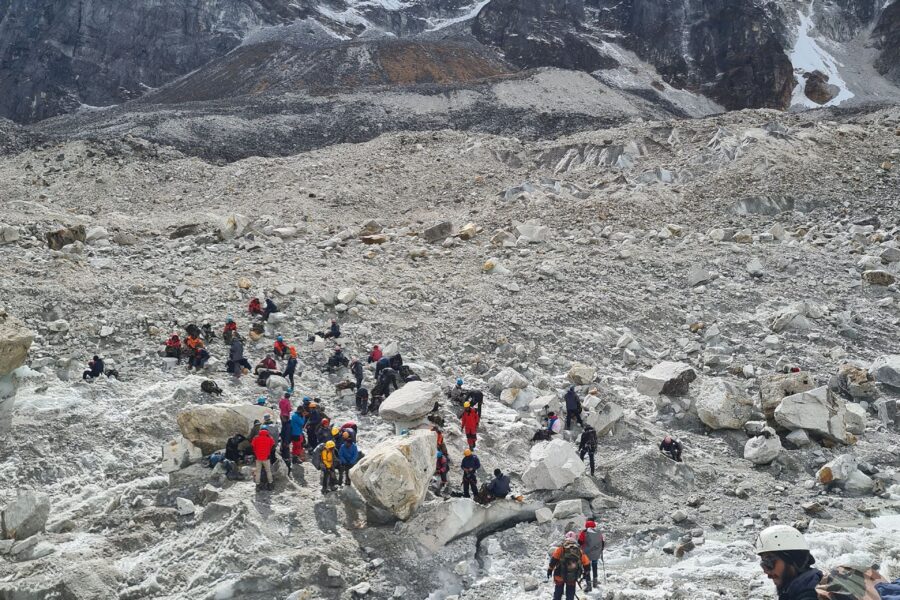
Go DIY only ifYou can manage long walking days, low or no network, basic navigation and changing mountain weather.
Guide: RecommendedPermit: Not neededNetwork: None on trail
Plan it yourself
The DIY deep-dive
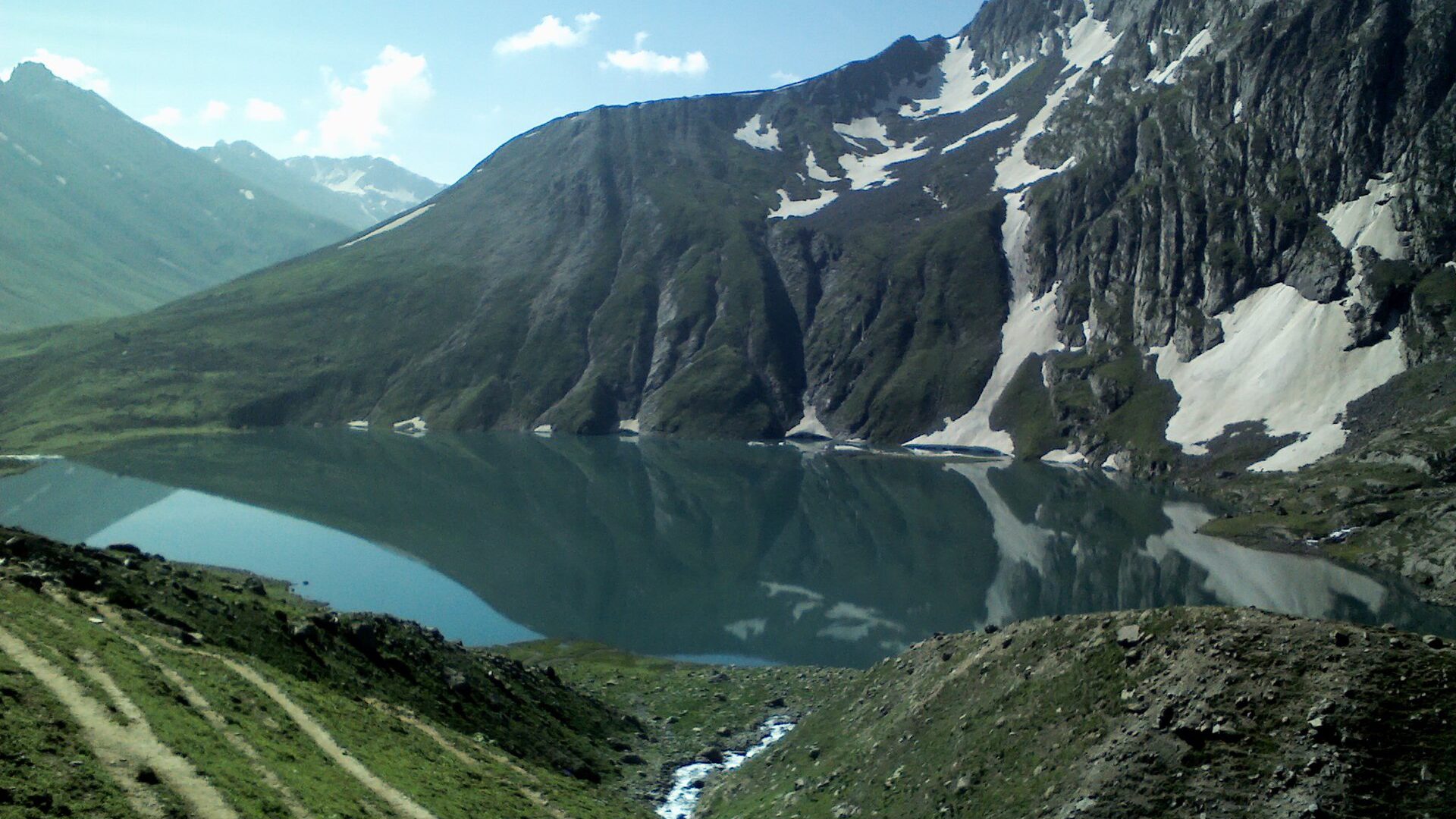
Kashmir Great Lakes Trek is at its best in July to September. It covers about 70 km, runs over 6–7 days, tops out near 4,200 m.
DIY route options
The classic routeStart from Sonamarg (Shitkadi) and follow the standard 7-day line - the most reliable, well-trodden way to do it.
Time it by seasonPlan around July to September for the best weather, views and open access.
What most travellers miss
Download offline maps and share your plan first - the mobile network here is patchy to none.
Do not rush past Vishansar - most people treat it as a quick stop, but it is worth a slower evening.
Time it for July to September. Outside that window, snow, weather or road closures can cut access.
Where to base yourself
NichnaiTrailhead base - last shops, network and gear before you set off.
VishansarA key stop on the route - where the trek halts for the night.
GadsarA key stop on the route - where the trek halts for the night.
DIY is the main way - this is the upgrade
Need expert help planning this trek?
Prefer not to manage permits, guide coordination, stays and route pacing yourself? We can help you turn this trek into a private, supported experience for your dates, group size and comfort level.
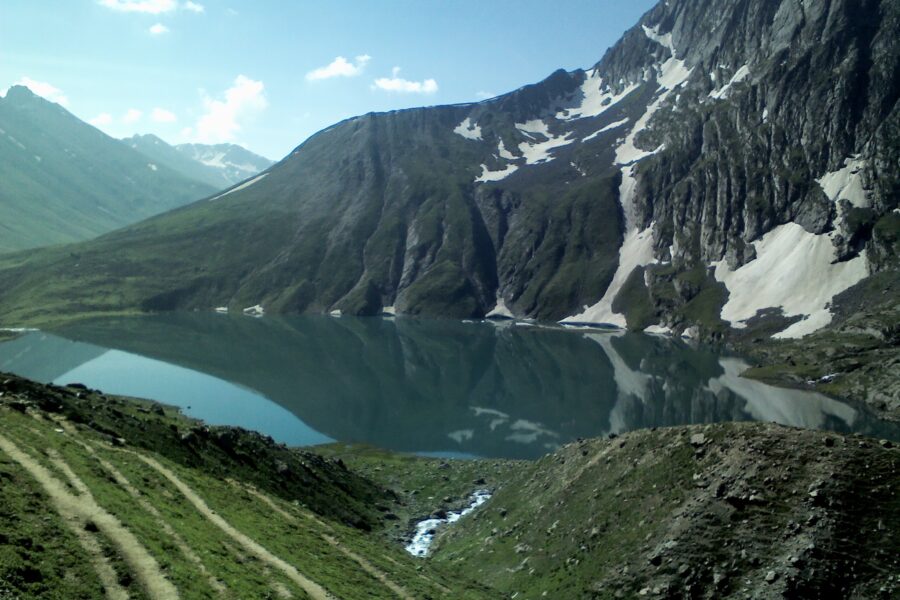
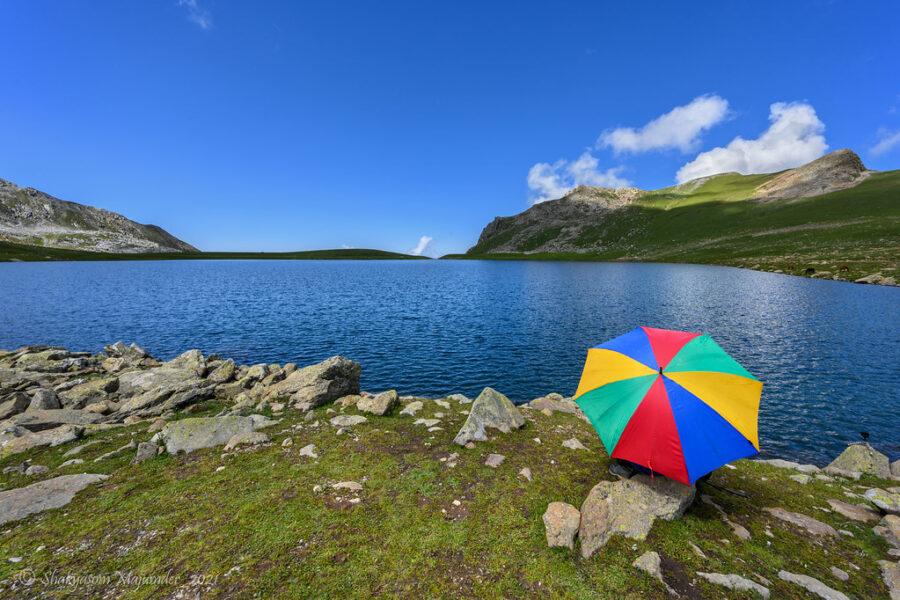
Often called the most beautiful trek in India, the Kashmir Great Lakes links a chain of turquoise alpine lakes – Vishansar, Krishansar, Gadsar, Satsar and the twin Gangabal – set among rolling green meadows and snow peaks. Each day reveals a new lake and a new pass.
Starting near Sonamarg, the trek crosses several high passes around 4,200 m and is a feast of colour and scale. July to September, when the meadows are green, is the season.
Essential packing list
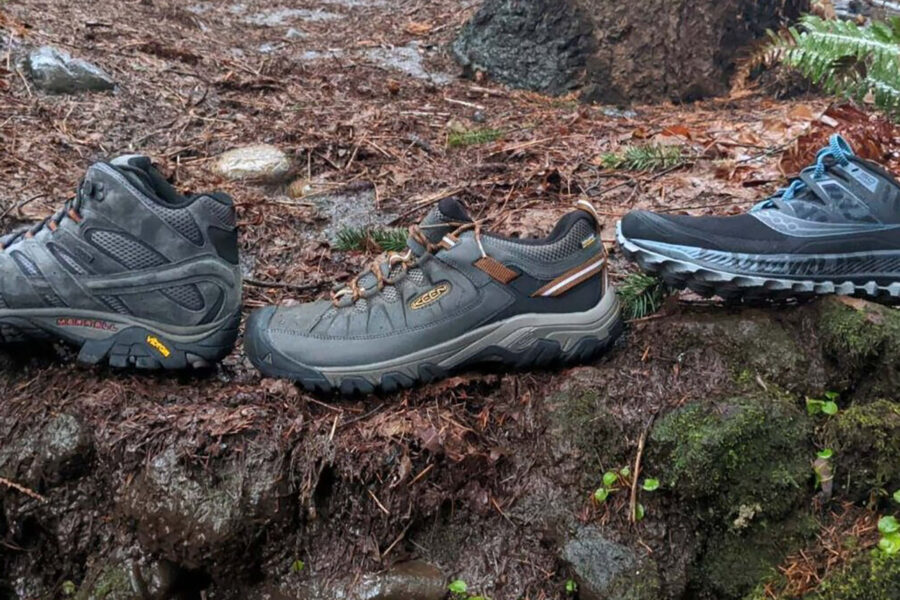
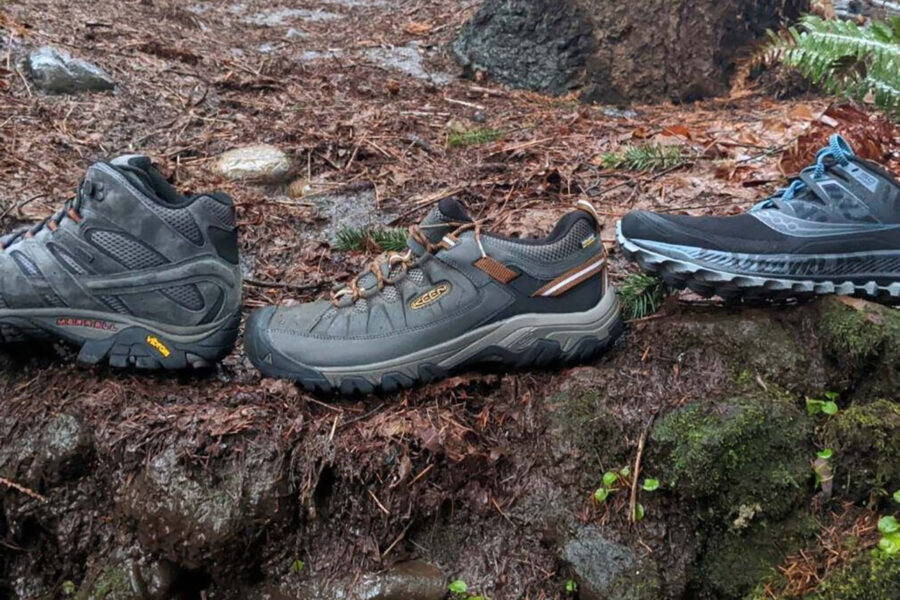
Trekking shoes with grip
Warm base layer + fleece
Down jacket / warm jacket
Rain shell / poncho
Headlamp + extra batteries
Water bottle / hydration bladder
Sunglasses, cap, sunscreen
Personal medicines
Power bank
Offline maps
Cash and ID copies
Permit documents, if applicable
Map
Nearby route landmarks & places to know
Tap “Get directions” to open any spot straight in Google Maps.
Banjosa Lake, Rawalakot
4.4 km from Sonamarg (Shitkadi), Jammu and Kashmir centre
Banjosa Lake is a man-made lake and a tourist resort 18 kilometers (11 mi) from the city of Rawalakot in Poonch District of Azad Kashmir, Pakistan. It is located at an altitude of 1,981 meters (6,499 ft). This lake is…
Base and stock up at the trailhead before you start; on the trail expect basic halts and simple meals - tea stops and packed snacks, with no cafe-style reliability once you set off.
AK Meadows, AbbasPur Road, Abbaspur Tehsil, Pakistan
9.2 km awayOpen in Maps→
Nothing sits right at Kashmir Great Lakes Trek - the closest of these is about 14.1 km away. Distances are straight-line, so road time is longer in the hills.