
Dhankar Monastery Spiti: Complete Detailed Guide
 Aditya Bansal
·8 min read
·Last reviewed
Aditya Bansal
·8 min read
·Last reviewed
A Journey Through Time to the Mystical Land of Dhankar Monastery in Spiti Valley
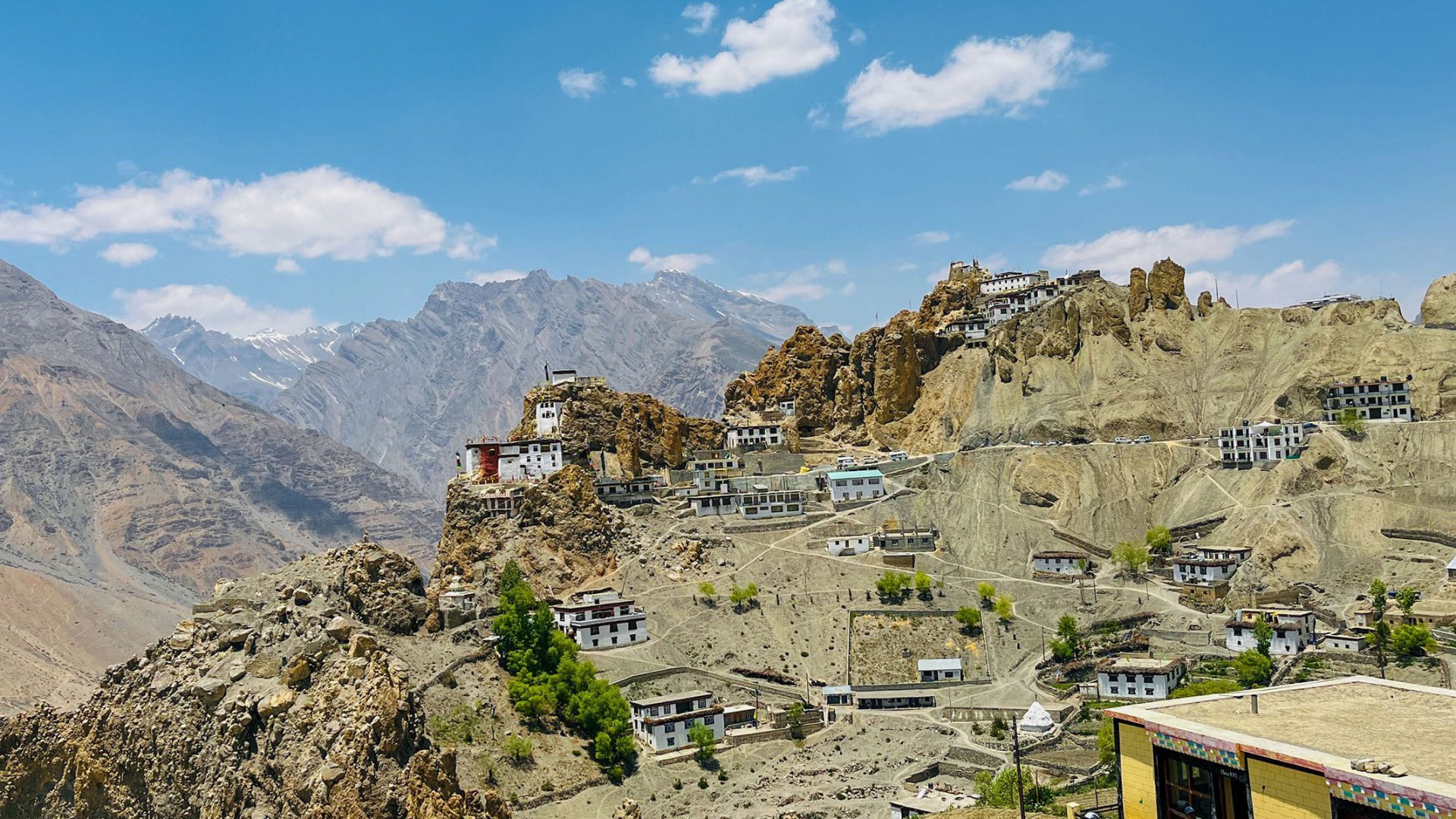
In this article, I will provide a comprehensive guide to visiting Dhankar Monastery. It is one of the oldest monasteries in Spiti Valley. It is also renowned for its spiritual teachings as well as its stunning views of the valley below. Previously, I talked about visiting Gue Monastery and Tabo Monastery of Spiti. In this I will discuss how to get there, what to see while you are there, and some tips on making your visit more enjoyable. So, let’s get started!
The Dhankar Monastery (also known as the Tabo Gompa) is a Buddhist monastery located in Spiti Valley, Himachal Pradesh, India. It was founded in the 16th century by Rinchen Zangpo. He was one of the greatest translators and promoters of Buddhism in Tibet and western Himalayan region.
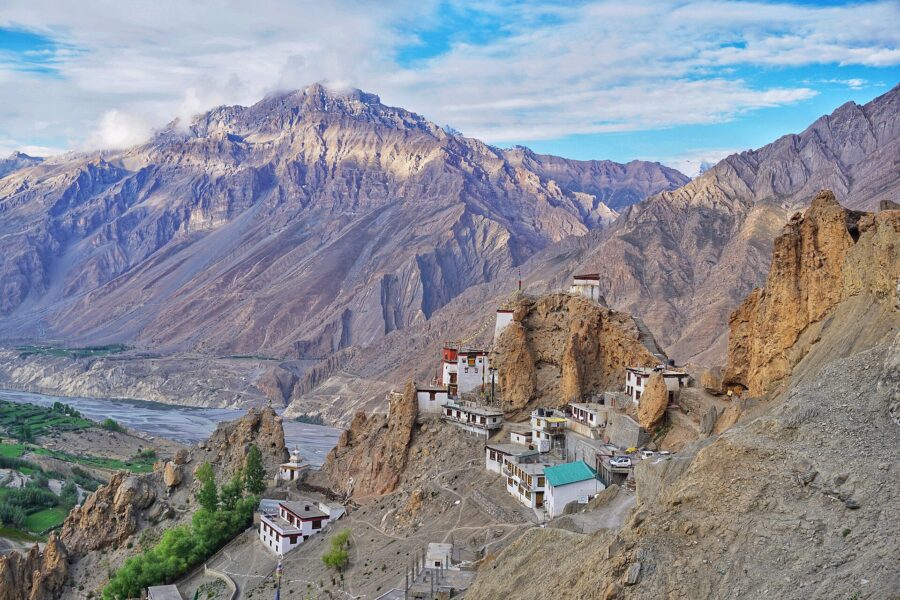
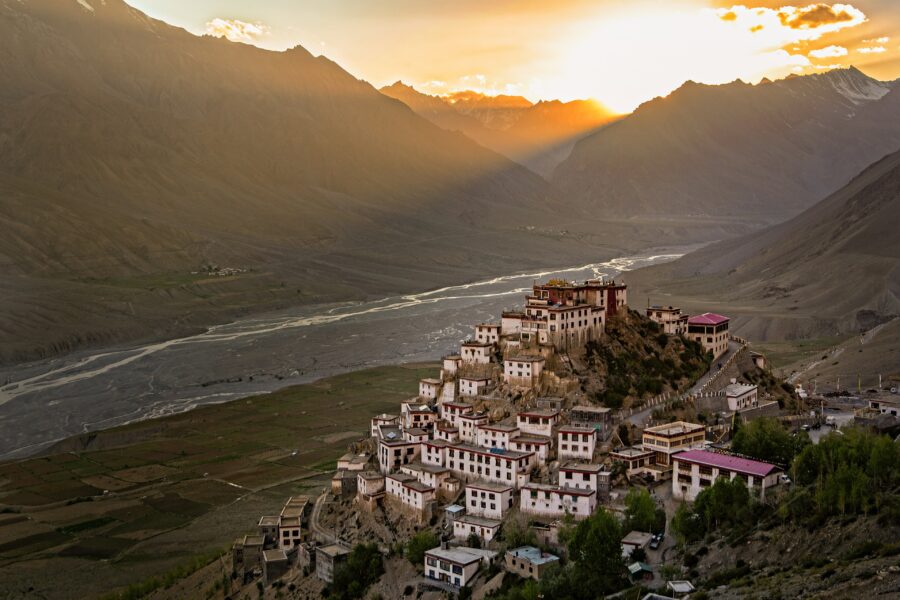
The monastery is on a cliff at an altitude of 3,894 meters above sea level and overlooks the Spiti River below. The main attractions are ancient frescoes which date back to 10th – 12th centuries AD depicting various aspects of Mahayana Buddhism.
There are also several statues of deities such as Tara Devi, Avalokitesvara or Chenresig and Guru Padmasambhava. The monastery also houses large collection of ancient manuscripts and books, including the Kangyur which is an important Buddhist scripture.
The Dhankar Monastery has been declared a protected monument by the Archaeological Survey of India (ASI). Also, It attracts pilgrims from all over the world.
Best Time to Visit Dhankar Monastery
The best time to visit the Dhankar Monastery is from April to June and September to November. These months offer comfortable temperatures and clear skies, making it ideal for sightseeing. During this period, the area experiences a pleasant climate with warm days and cool nights.
This is also when you can witness the vibrant colors of spring or autumn in full bloom throughout the region. The views of snow-capped peaks during winter are also spectacular but may be too cold for some people.
If you want to explore more than just the monastery, then summer might be better as most tourist attractions will remain open during this season. However, you should be aware of the occasional showers that occur during this time.
How to Reach Dhankar Monastery
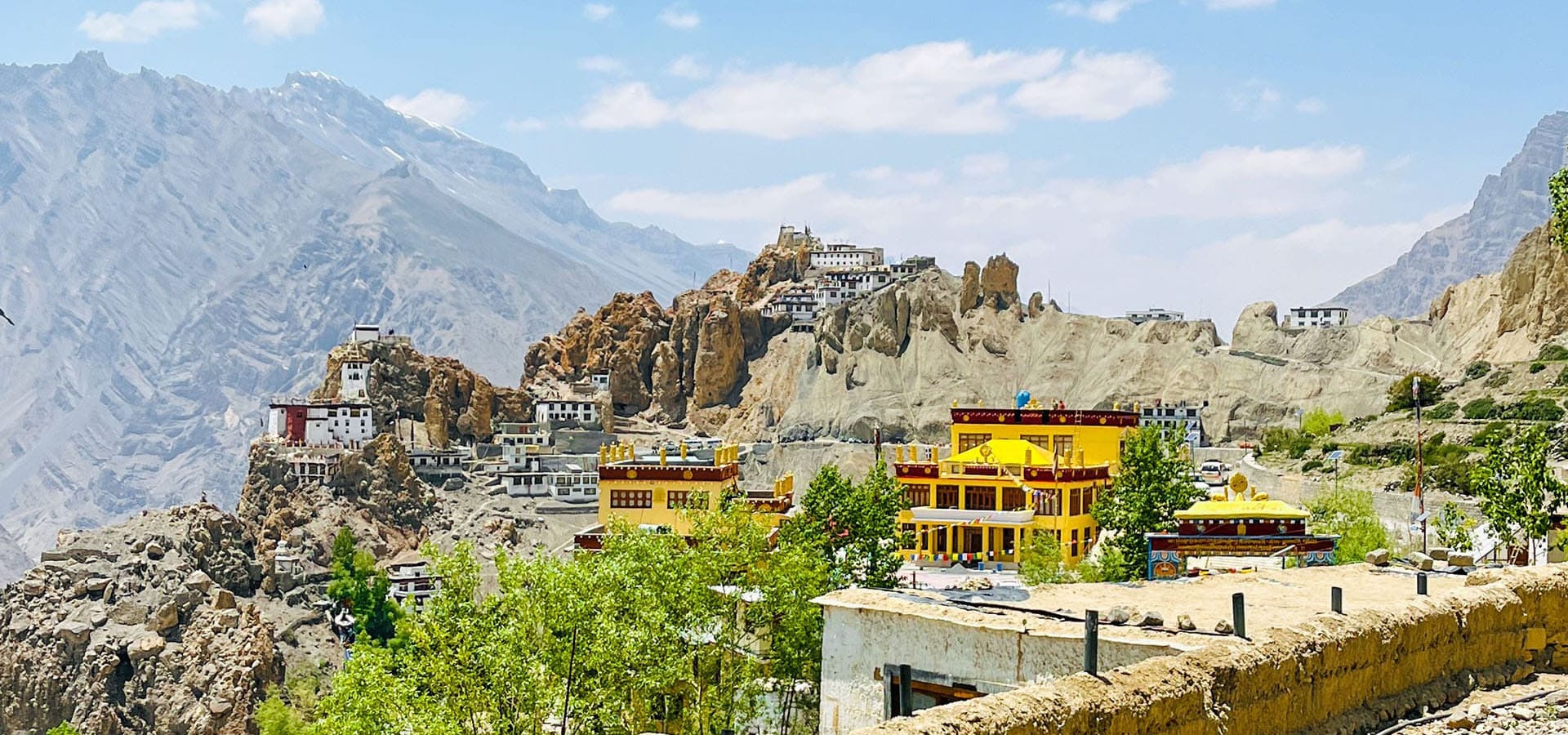
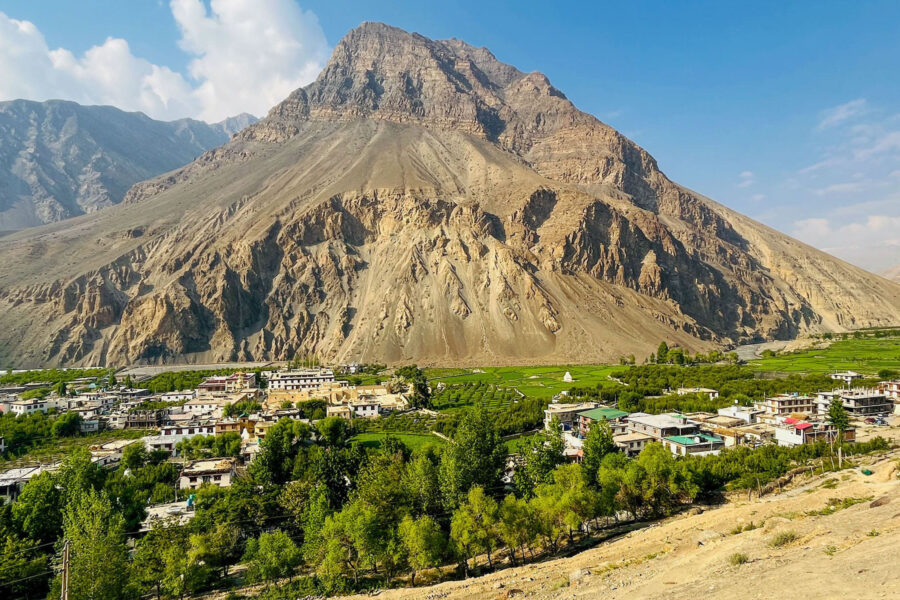
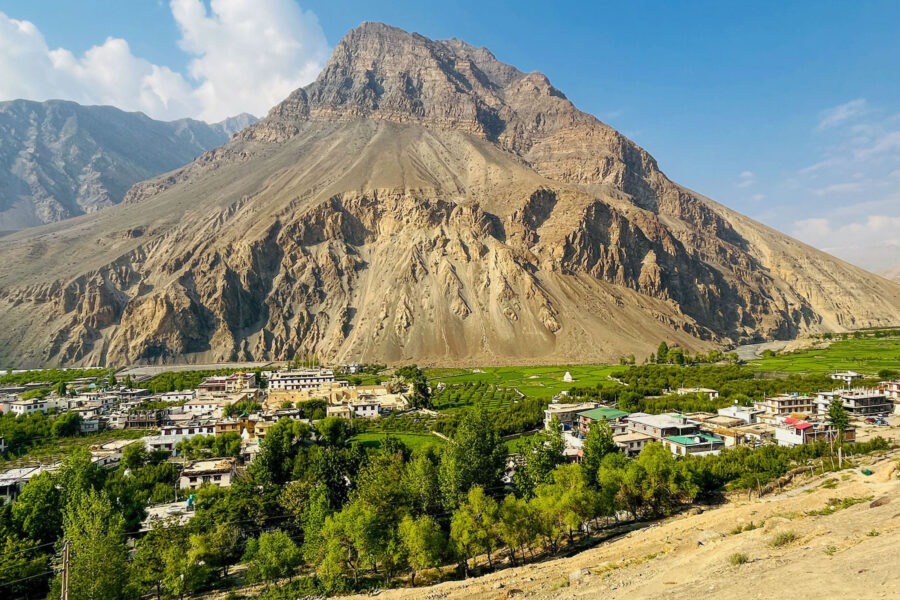
Dhankar Monastery is located in the picturesque village of Dhankar in Spiti Valley, Himachal Pradesh. It is situated at an altitude of around 3,894 metres above sea level and perched atop a steep rocky mountain.
Dhankar can be accessed by two routes: the easier one through Shimla, open all year round. The more challenging route via Manali, open from late May to Mid-October.
The best way to reach the monastery is By road.
There is a daily Bus from Shimla and Reckong Peo that can drop you close to the bifurcation point on the highway near Dhankar. However, they do not go all the way to the monastery. Once you get down at this spot, you can look for a shared cab or hitchhike to reach your destination.
During peak season, it will be easy to find someone who will give you a lift.
1. The bus from Shimla departs at 6.30 PM and reaches Kaza the following morning at 6 AM. Passing through Dhankar bifurcation point around 5.30 AM.
2. Another bus that leaves Reckong Peo at 6 in the morning arrives near the highway by afternoon.
3. If Departing from Manali at 6 AM, one can reach Kaza by evening. Then you can search for alternative means of transportation to complete the last 35 kilometers to Dhankar Monastery.
By Air: Shimla is the nearest airport for someone coming from Shimla. If you travel from Manali the nearest airport to Dhankar Monastery is Kullu Manali Airport which is about 265 km away from the monastery. From here you can take a cab or bus till Tabo (the closest town) which will take around 7-8 hours depending on traffic and weather conditions. From Tabo you can then hire a taxi to reach Dhankar Monastery which will be another 2-3 hours’ drive depending on the road conditions.
By Train: The other option is to take a train till Kalka Railway Station and then hire a private cab or take a bus till Tabo. This will be around 11-12 hours journey depending on traffic and weather conditions. From Tabo you can then hire a taxi to reach Dhankar Monastery which will be another 2-3 hours’ drive depending on the road conditions.
If you were travelling from Delhi, it would take you at least 2 days to reach Tabo. Take a night stopover at Narkanda or Rampur on the first day. The road from Shimla stays open throughout the year except during peak winters when heavy snowfall might temporarily block it for some days.
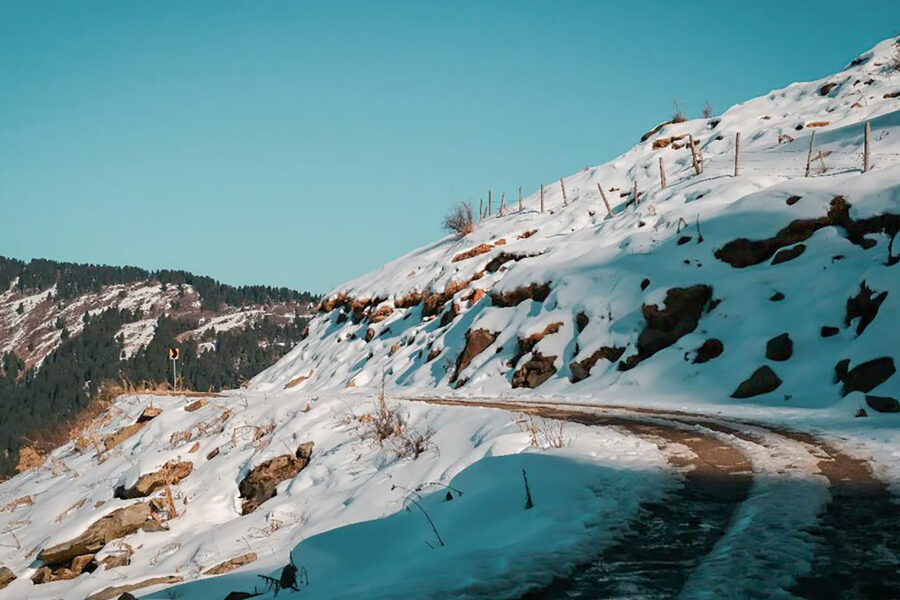
The second route is through Manali but that takes you across the passes of Rohtang and Kunzum. During the winter season, both these passes receive approximately 50 feet of snow which results in the road being blocked. Travelling by this road is only possible from late May to early October.
A great way to complete the journey would be to go on a Spiti circuit. Which is starting from Shimla, covering Kinnaur Valley, arriving at Tabo, exploring Spiti Valley and then exiting via Manali.
Highlights of Dhankar Monastery
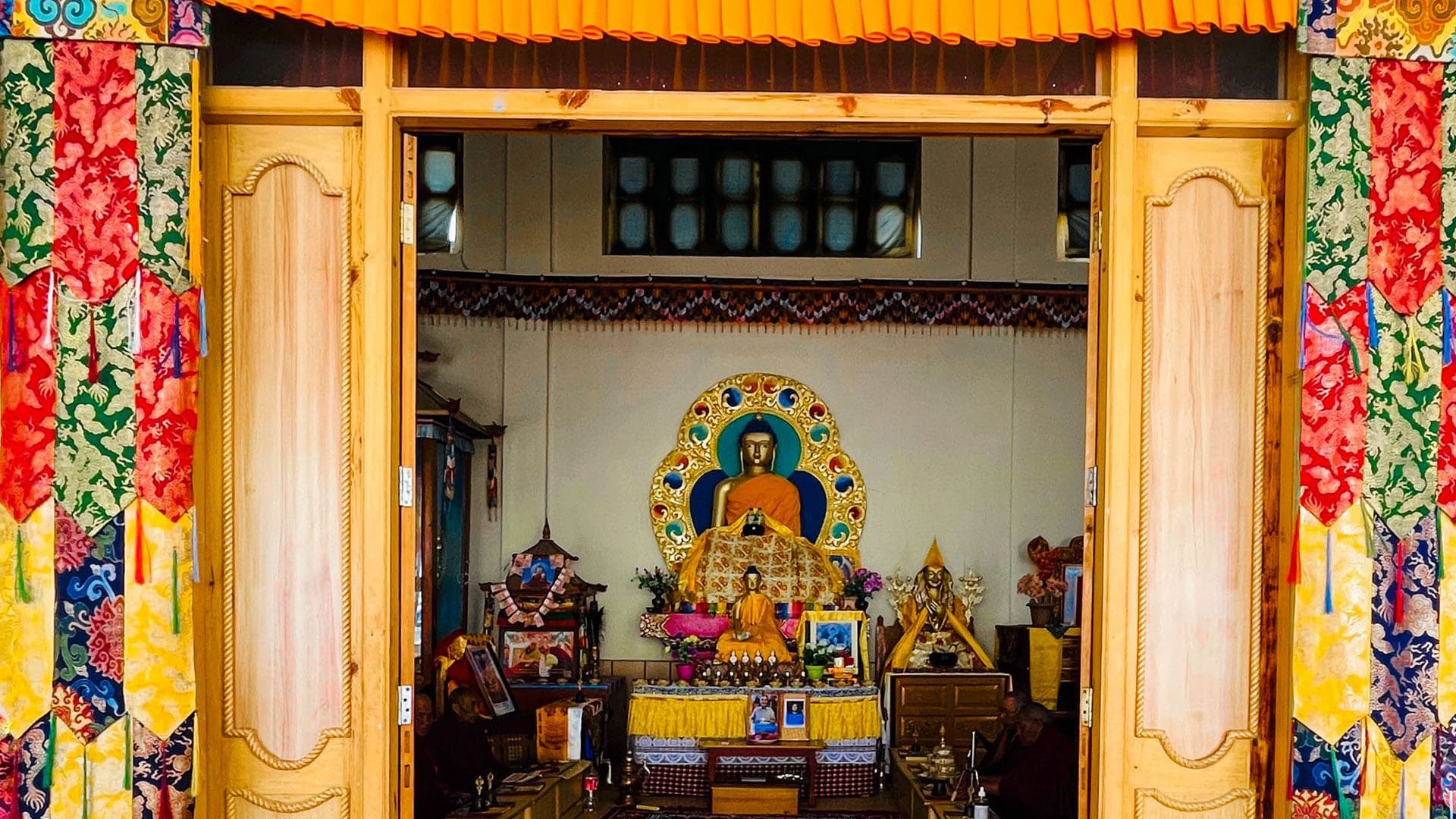
The Dhankar Monastery was built in the 17th century by Gyalsé Khenrab Gyatso. A disciple of the renowned Buddhist teacher Tsangpa Gyarey. The monastery is perched atop a steep cliff at an altitude of 3,894 metres above sea level and overlooks the confluence of two rivers – Spiti and Pin. Highlights:
1) Architecture: The architecture of this ancient monastery is quite remarkable. It has been carefully designed to withstand extreme weather conditions such as heavy snowfall and strong winds. It is made up of mud-brick walls with small windows that are painted with traditional Buddhist symbols.
2) Monastic Art: The Dhankar Monastery is renowned for its unique monastic art, which includes Tibetan Buddhist wall paintings and sculptures. These works of art depict the teachings of Buddha and other religious figures such as Padmasambhava and Avalokiteshvara.
3) Cultural Significance: The monastery is an important cultural centre for the local people in Spiti Valley. Peoples visit it to seek blessings from the lamas or monks living there. It also serves as a place where traditional festivals are celebrated with great enthusiasm by both Buddhists and non-Buddhists alike.
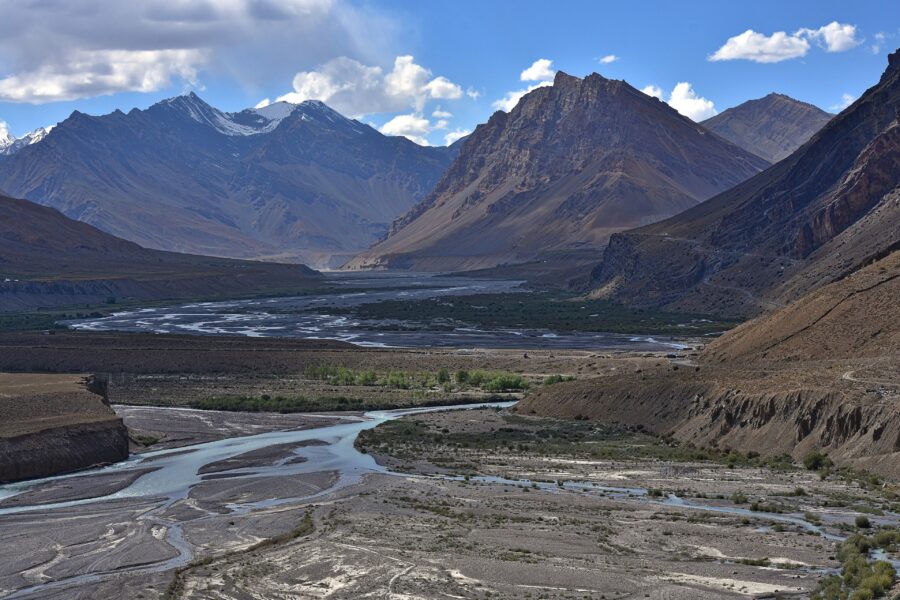
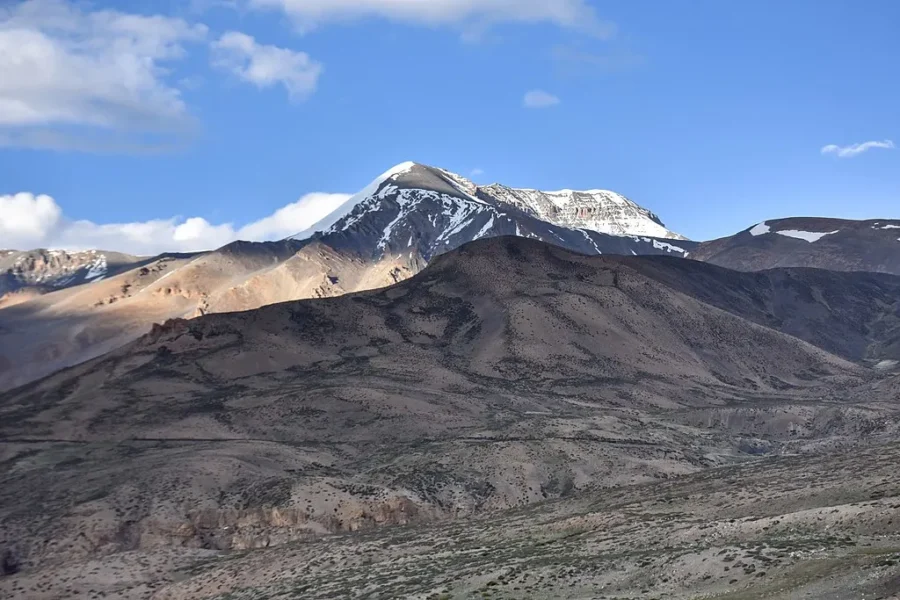
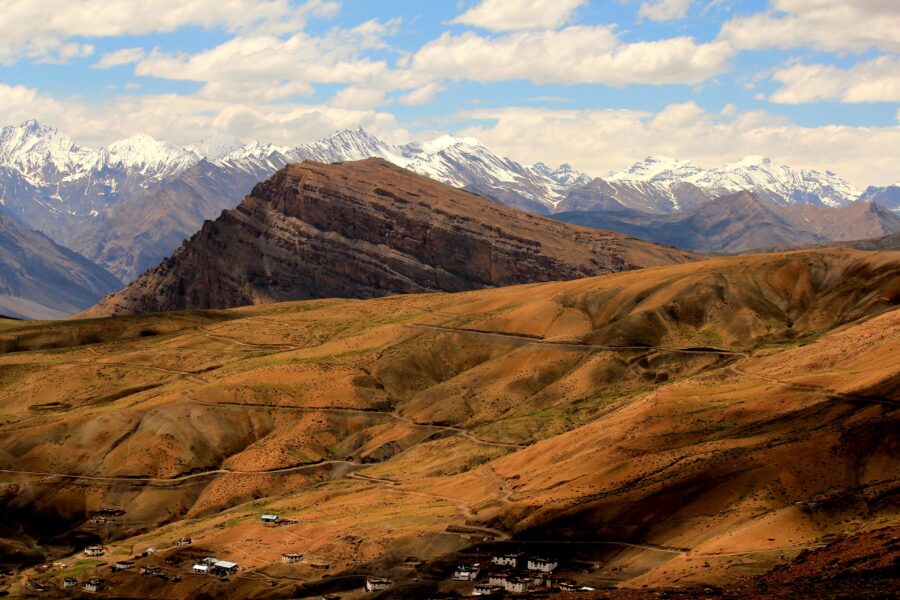
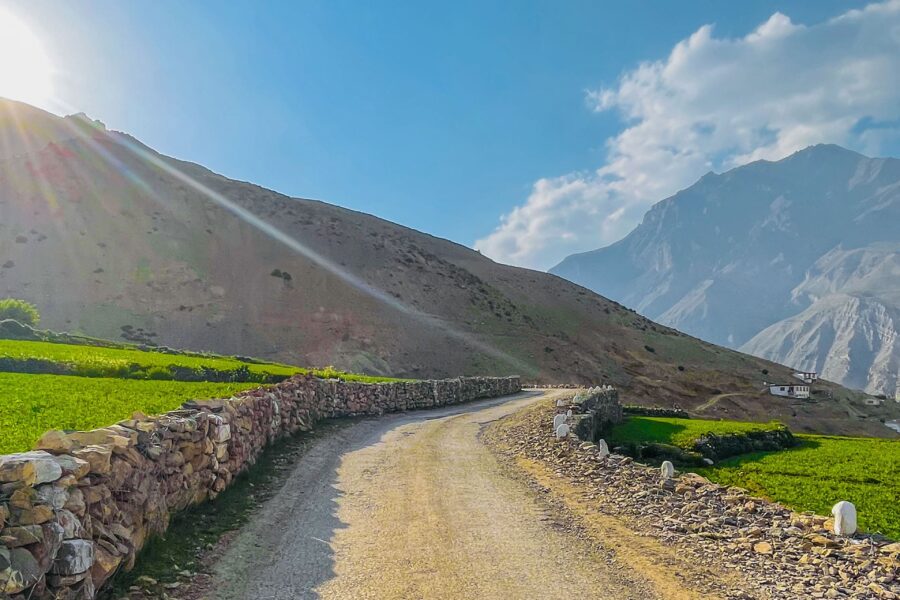
4) Natural Beauty: The surrounding area of the monastery offers breathtaking views of the Himalayan mountains and the Spiti Valley. On a clear day, one can also get a glimpse of some of the high-altitude lakes such as Chandratal and Suraj Tal.
5) Spiritual Retreat: The monastery is an ideal place for spiritual retreats as it offers peace, tranquility and seclusion from everyday life. It is also said to be home to powerful energy that can help bring clarity to those seeking enlightenment or inner transformation.
6) Dhankar Monastery Museum: It houses a collection of rare artifacts from both Buddhist and Hindu religious traditions. The museum displays statues, paintings, manuscripts and other objects that tell stories about the region’s rich cultural heritage. Visitors can also learn about Tibetan Buddhism through guided tours which explore the monastery’s history, architecture & spiritual significance.
7) Dhankar Fort: It is Built on an isolated rock spur above the confluence of two rivers, Dhankar Lake and Pin River. It was once the capital of Spiti’s former non-Tibetan ruling family. It offers stunning views of the surrounding mountains and valleys. The fort has been declared as a protected monument by Archaeological Survey of India due to its historical significance. Inside the fort are several temples dedicated to local deities such as Ganesha, Shiva and Durga. Along with ancient frescoes depicting Buddhist themes painted on walls within the temple complex.
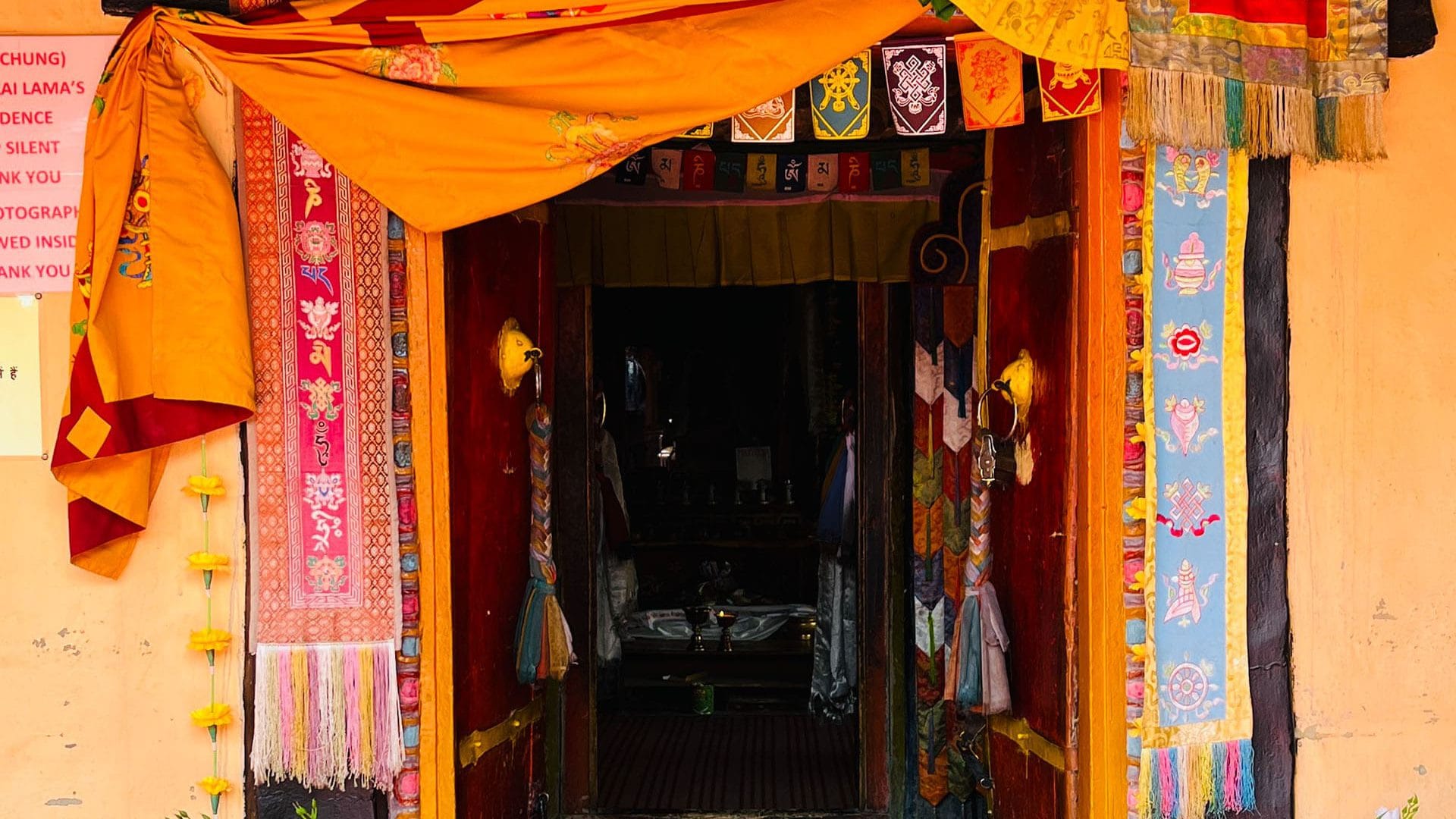
FAQs About Dhankar Monastery
Can I stay in Dhankar Monastery?
No, It is not possible to stay overnight at the Dhankar monastery as they do not have any accommodations.
What are the timings of the Dhankar Monastery?
The monastery is open daily from 6:00 AM to 6:30 PM, including on public holidays and national events. Morning prayer begins at 6:00 AM
What is the cost of visiting Dhankar Monastery?
The cost of visiting Dhankar Monastery is free, although donations are welcome.
What is Dhankar Monastery main festival?
The Lamas’ masked dances, known as Cham Dance, are celebrated at the monastery’s annual festival in July. This event is dedicated to peace, happiness and prosperity for all.
How old is Dhankar Monastery?
The Dhankar Monastery was built in the 16th century, making it over 1000 years old.
Who built Dhankar Monastery?
It was founded in the 16th century by Rinchen Zangpo of the Nono dynasty. He was one of the greatest translators and promoters of Buddhism in Tibet and western Himalayan region.
Do I need an inner line permit to visit Dhankar Monastery?
No, an inner line permit is not required to visit Dhankar. But Foreign nationals will require Inner Line Permits, which can be easily obtained in Reckong Peo or Kaza.
What type of mobile connectivity is available in Dhankar Monastery?
In case of an emergency, the monastery in Dhankar has a landline phone available; however, both BSNL and JIO Sims remain completely out of network coverage due to the remoteness of Spiti Valley.

Leave a Reply