
Mummy of Gue Village: The Mystery of 500-Year-Old Mummy of Spiti Valley
 Aditya Bansal
·8 min read
·Last reviewed
Aditya Bansal
·8 min read
·Last reviewed
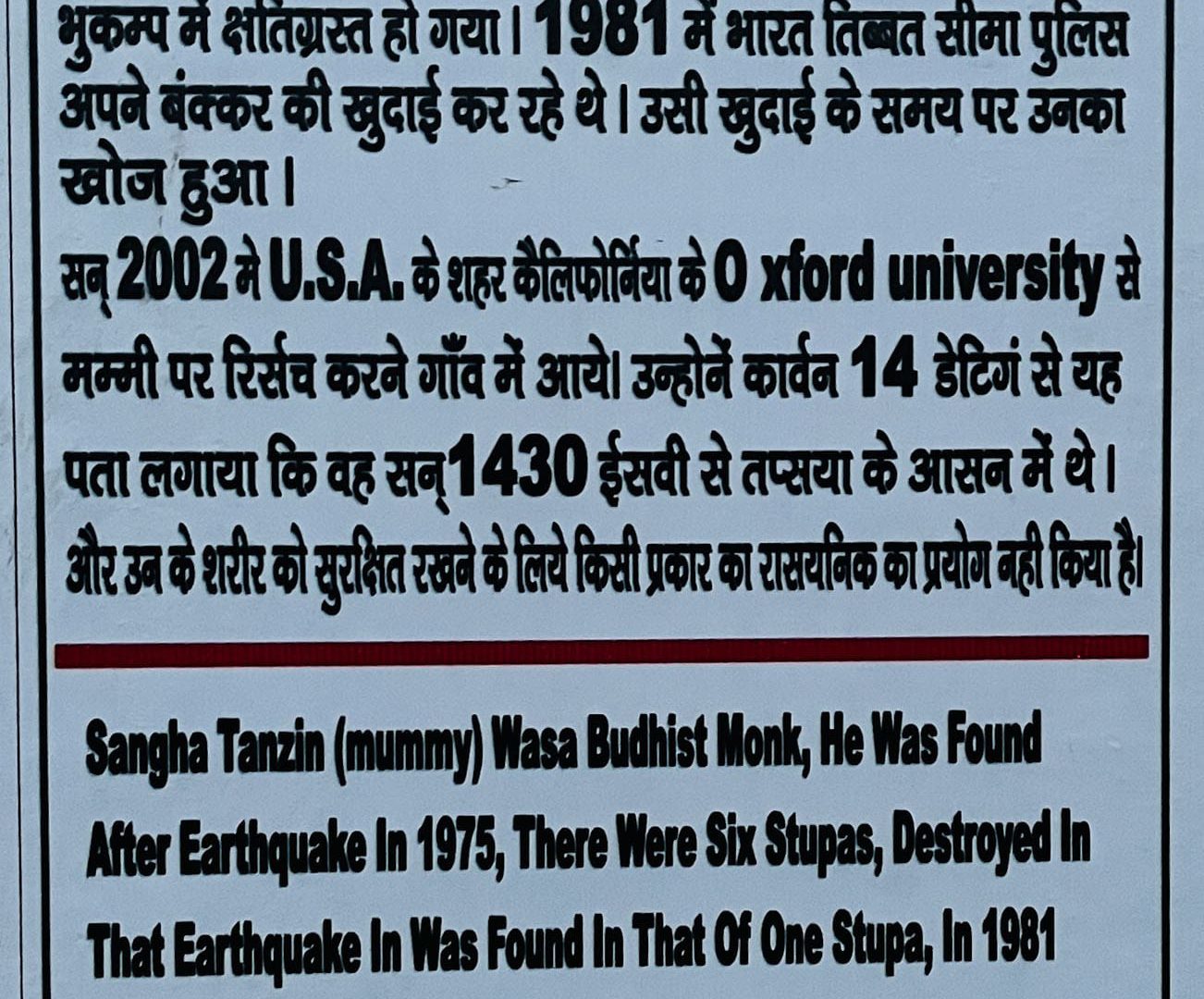
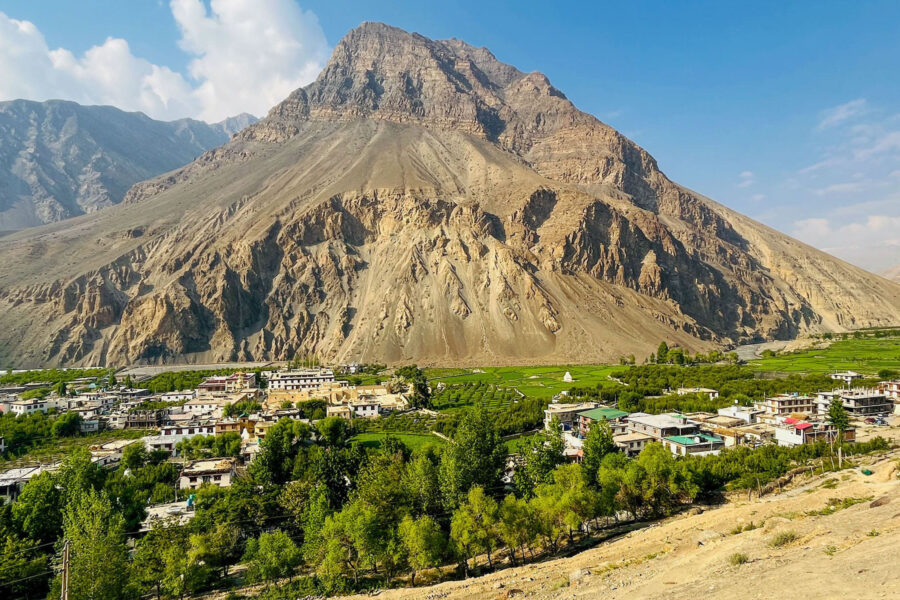
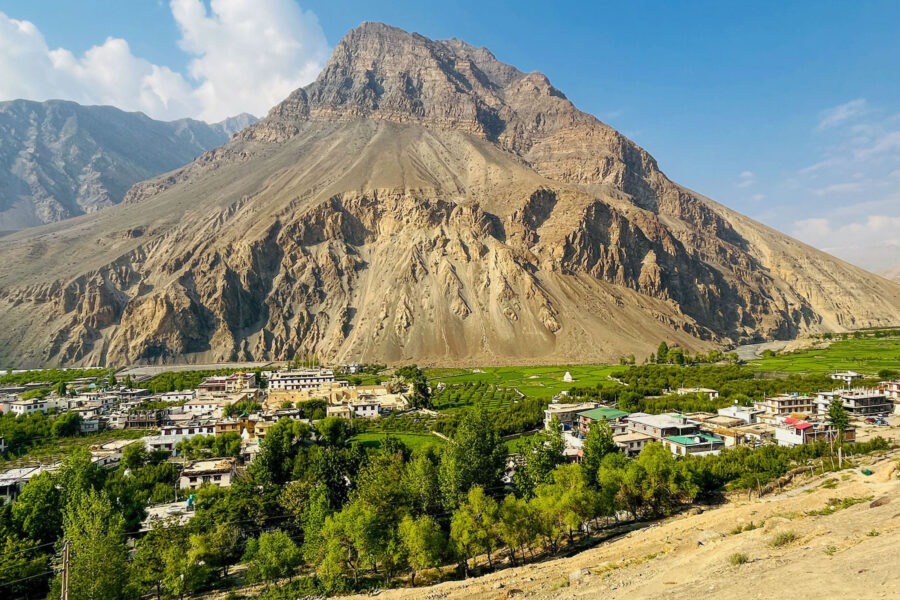
Did you know that, in addition to Egypt, India has its own mummy perched at a height of around 10,000 feet in the remote Gue village of Himachal? Gue village is a small hamlet in the Spiti Valley of Himachal Pradesh, India. It lies at an altitude of 3048 metres above sea level, and is surrounded by snow-capped mountains. The village has gained popularity as one of the most unique places to visit in India due to its self-mummified mummy, untouched beauty and traditional lifestyle that remains unchanged even today.
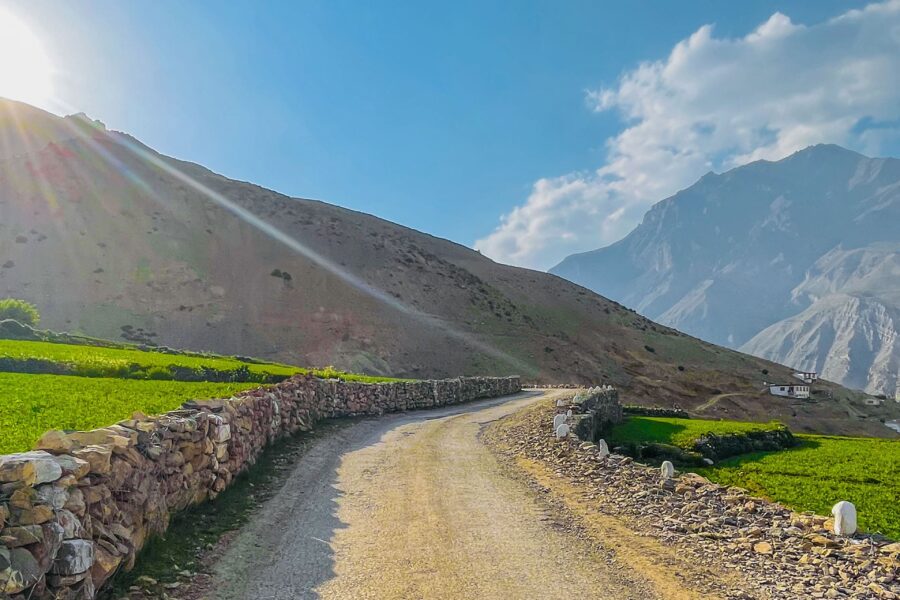
The Gue Village can be reached from either Kaza or Tabo through a motorable road which passes through some beautiful villages like Langza, Komik and Hikkim on the way. The journey takes about 2.5 hours from Kaza or 1 hours from Tabo depending upon the weather conditions.
The village is home to a 500-year-old monastery, which houses some valuable ancient scriptures and murals. This monastery also has an astrological observatory that was built in the 14th century by Buddhist monks and is still used for astronomical calculations today. The Gue Monastery is said to have been founded by Lama Prathor Namgyal who was a disciple of Padmasambhava (Guru Rinpoche).
Apart from the historical sites, tourists can also explore the nearby villages such as Dhankar and Pin Valley National Park which are known for their stunning landscapes and traditional lifestyle. Adventure seekers can even trek up to one of the highest motorable passes in India – Kunzum La which is located at an altitude of 4551 metres.
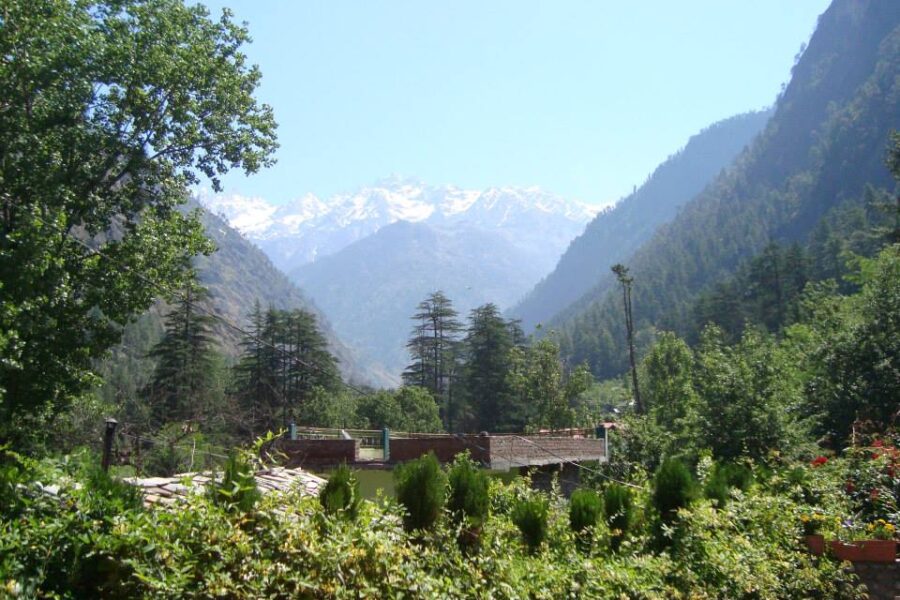
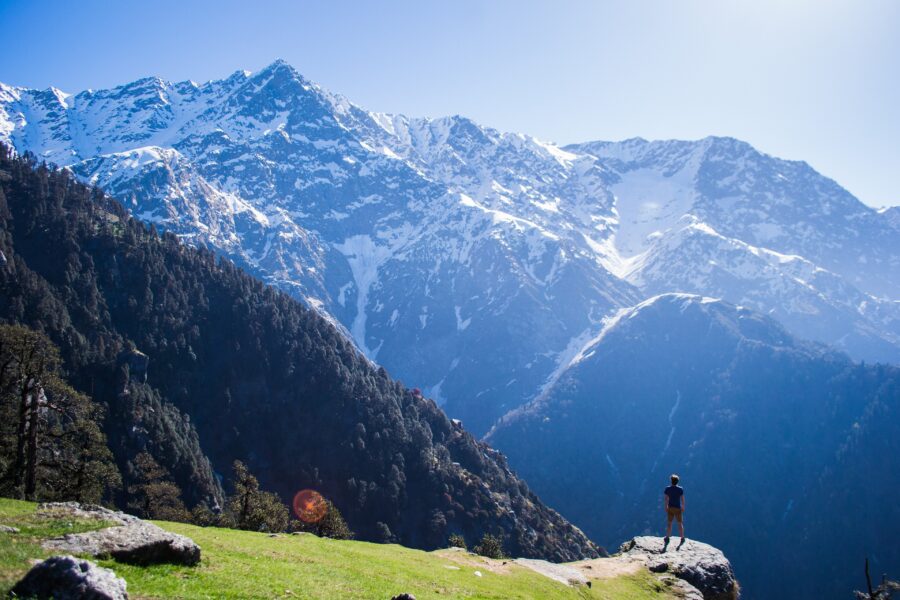
The village also offers some amazing views of the mighty Himalayas and the Spiti Valley. The picturesque landscape, traditional lifestyle and unique attractions make Gue Village a must-visit destination for any traveller looking to explore Himachal Pradesh in its true essence.
Best Time to Visit Gue Village in Spiti
Gue Village in Spiti is a beautiful, remote village located in the Himalayan Mountain range of Himachal Pradesh. The best time to visit Gue Village is during the months of May and June when the weather is pleasant and sunny. This season offers breath-taking views of snow-capped peaks, lush green meadows, clear blue skies, and numerous bird species.
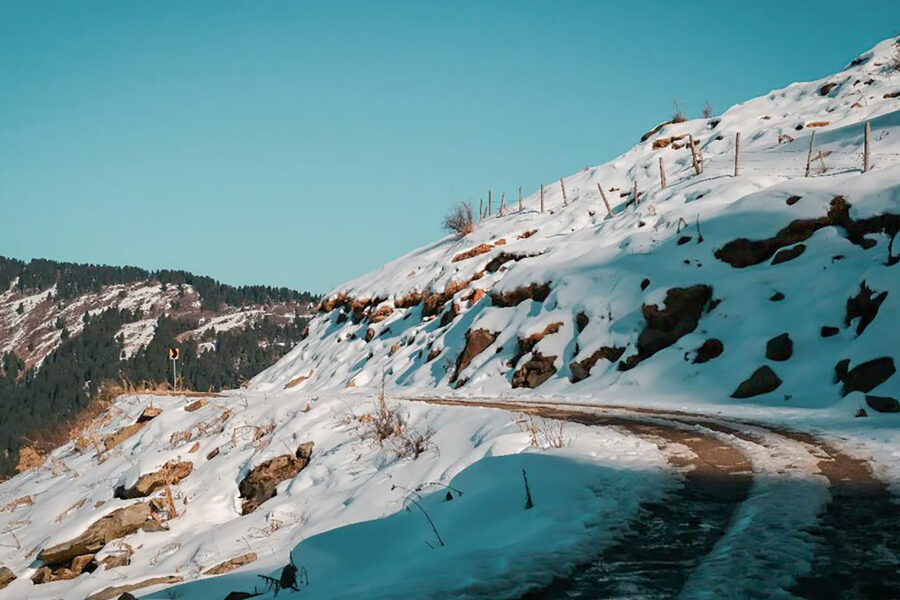
The monsoon season from July to September brings heavy rains and landslides making it difficult to explore this region at this time. Winters are extremely cold with temperatures dropping below freezing point which makes travelling dangerous as well as uncomfortable at times.
In spring (March-April), one can witness an array of wildflowers blooming in full glory in the valley. The summer months (May-June) are ideal for trekking and exploring the village as well as its surrounding areas. This is also a great time to spot some rare species of birds, animals, and butterflies.
Summers can get quite hot during the day so it is best to plan your trip in such a way that you spend more time outdoors during early morning or late evening hours when temperatures are cooler. Make sure to carry enough warm clothing since nights can be chilly even during summers.
To sum up, May-June is considered to be the best time for visiting Gue Village in Spiti due to pleasant weather conditions and an array of outdoor activities available at this time of year.
How to Reach Gue Village From Delhi
By Air: The nearest airport to Gue is Bhuntar Airport (Kullu) which is about 313 km away from Gue. Taxis are available from this airport for further travel to Gue monastery.
By Train: The closest railway station to Gue is Jogindernagar Railway Station which is about 427 km away from the destination. One can hire a taxi or take a bus till Manali then take another bus or taxi till Rekong Peo, which will be around 100 km far and finally reach their destination at Gue monastery by hiring another cab/taxi or taking local transport like buses.
By Road: Gue can be accessed by road from major cities like New Delhi, Manali, Shimla and Chandigarh.
Best way to reach Gue Village from Delhi is by road.
Delhi – Shimla – Narkanda – Reckong Peo or Kalpa – Nako – Gue
The voyage from Shimla – Kinnaur to Gue village is a lengthy one and you will arrive at this mummy hamlet of Himachal by Day 3 if you commence from Delhi. Typically, you will travel from Delhi to Narkanda on the first day, then proceed to Kalpa; and when journeying from Kalpa to Nako, you can reach Gue en route after passing through Sumdo and entering Spiti Valley.
On Day 1, you would typically travel from Delhi to Narkanda. On the second day, you could make a journey to either Reckong Peo, Kalpa or Sangla. Finally, on the third day of your trip, you can visit Nako before heading to Gue Mummy Monastery and then Tabo. After exploring Gue, there are many more places in Spiti Valley that await your discovery!
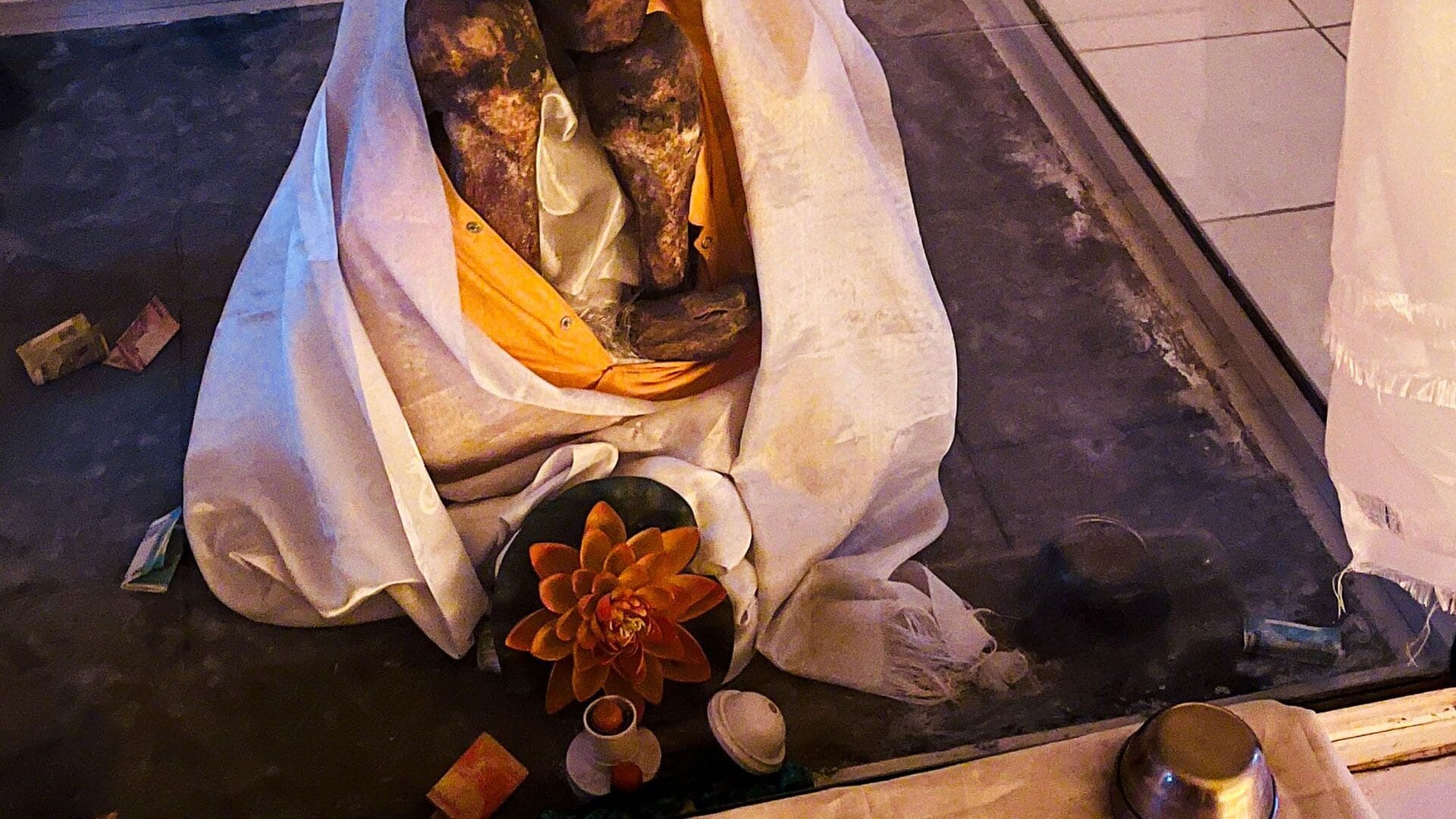
Mystery of 500-Year-Old Mummy of Spiti Valley
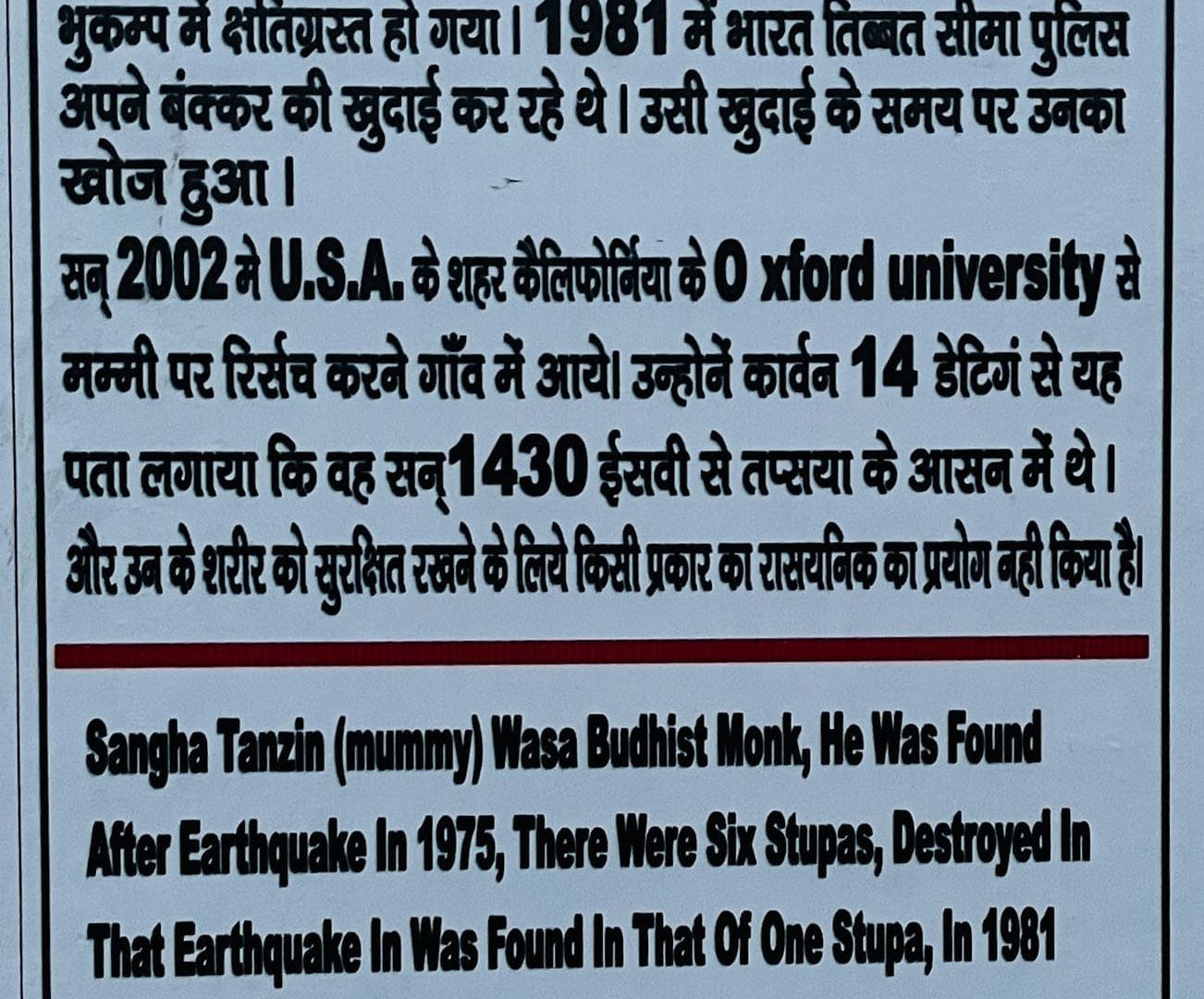
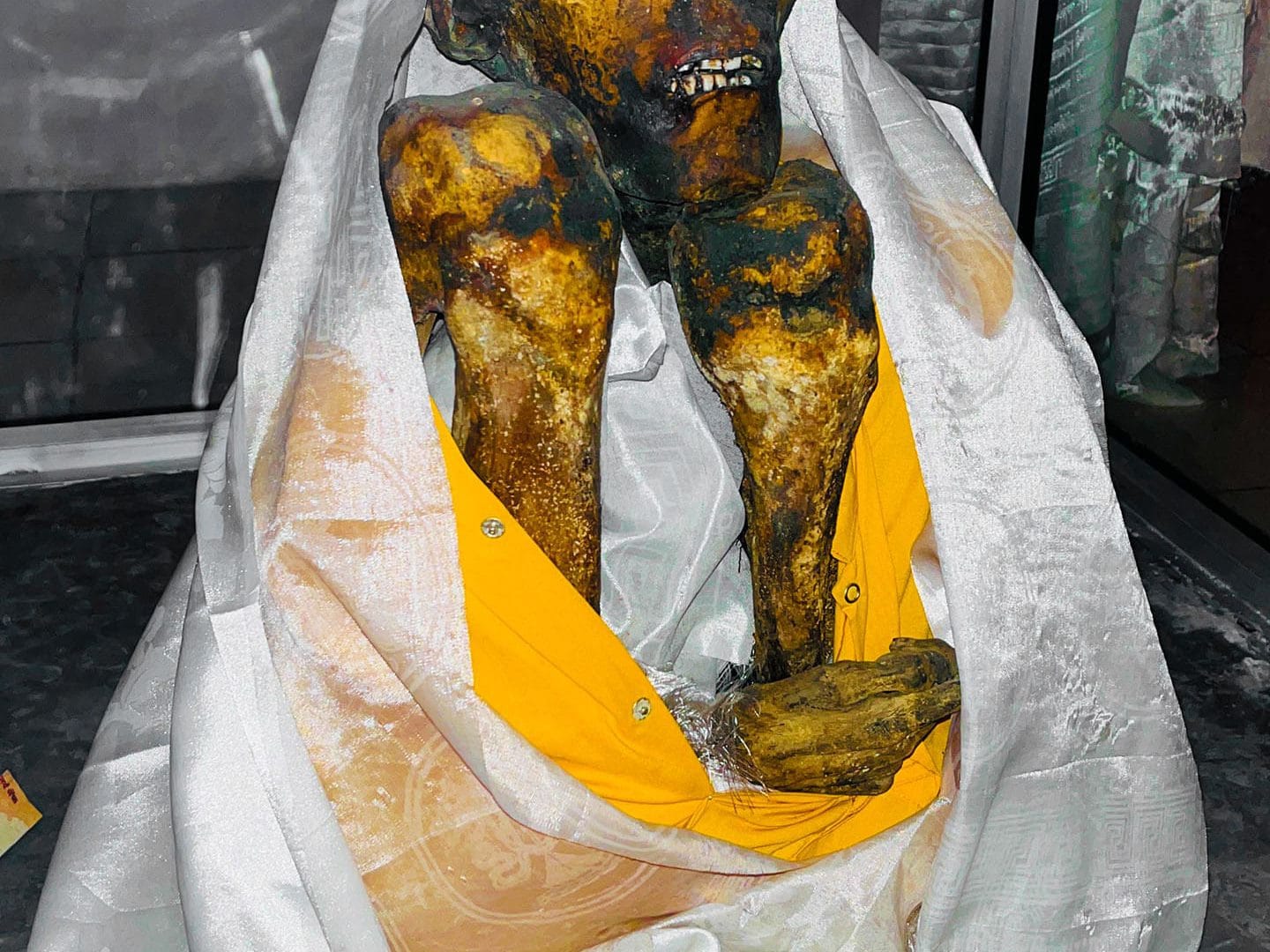
The Mummy of Gue Village in Spiti is a naturally mummified body of an elderly monk that was discovered in 1975. The mummy is believed to be around 500 years old and it has been preserved by the cold, dry climate of the Himalayas. The monk’s face remains intact with his eyes closed as if he were still meditating.
The mummy was found buried inside a small stone tomb which had been built into the side of a cliff near Gue village, It was covered with several layers of clothes including woollen blankets and sheepskin coats for protection from the cold weather.
Analysis revealed that the mummy belonged to a monk Sangha Tenzin of the Gelugpa sect of Tibetan Buddhism. He was likely between 60 and 75 years old when he died. The body had been naturally mummified due to the cold, dry climate and lack of oxygen in the area.
It appears that Sangha Tenzin was a practitioner of “Dzogchen”, one of the highest forms of meditation, as evidenced by the strange belt tied around his body which is likely a ‘Gomthak’, an item used to tie around their neck to their knee by monks for meditating.
Where to Stay in Gue Village?
The best accommodation option for those looking to stay in Gue Village is staying with local families in their homestays or guesthouses. These homestays provide basic amenities such as beds, blankets, hot water, electricity (in some cases), meals and Wi-Fi services at reasonable prices. These homestays offer traditional hospitality from the locals who are friendly and welcoming towards tourists visiting them. The rooms are simple but clean with attached bathrooms having running hot water facility most time of the year.
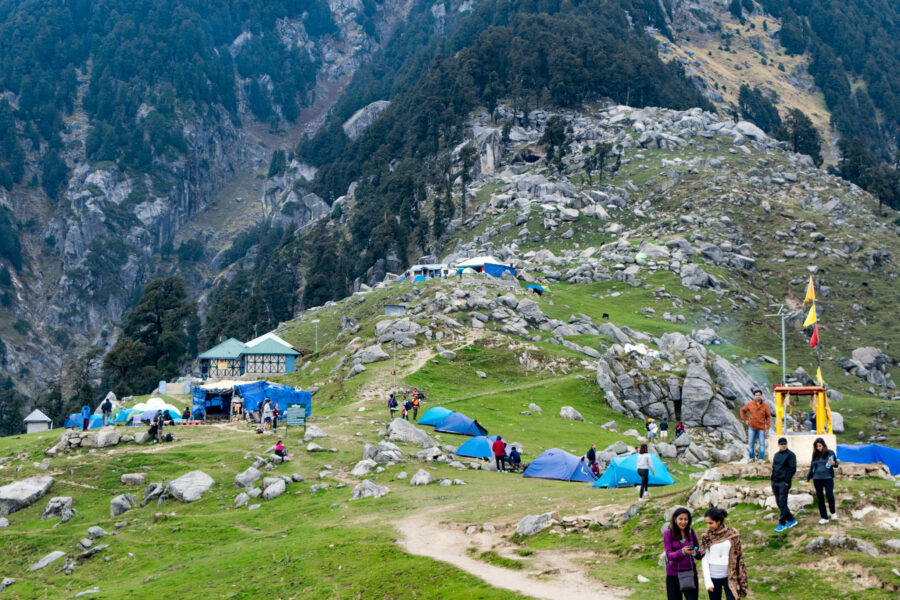
Apart from homestays, Camping is a great way to explore the area and get close to nature there are some campsites in Gue Village where you can pitch your own tent and enjoy the nature. These campsites are a great option for those looking to explore the village and its surroundings while enjoying the tranquility of nature.
The village also has some budget hotels offering comfortable accommodation at affordable prices. Most of these hotels have restaurants serving delicious local cuisine. For those who prefer luxury stay, they can opt for one of the resorts located near Gue Village or even check into a hotel in nearby Kaza town which offers all modern facilities and amenities along with stunning views of the snow-clad mountains around it.
No matter what kind of accommodation you choose, Gue Village in Spiti Valley offers a unique experience that will stay in your memory for years to come.
Are there any food and water sources available in Gue village?
Yes, there are some basic food and water sources available in Gue in Spiti Valley. These include local shops that sell fresh fruits, vegetables, dairy products and other basic supplies. There are also several restaurants serving traditional Tibetan cuisine as well as Indian dishes.
In addition to this, there are several natural springs and streams where one can collect clean drinking water. The locals also practice a form of irrigation called “chadar”, which involves diverting water from the mountain streams into fields for agricultural use. This provides an additional source of food and water for the villagers.
Traditional Stories and Beliefs About Gue Village
Apart from the scientific and logical explanations, there is also a folklore that is heard among the villagers; who believe that the Mummy has been guarding their village for centuries.
One version of this story tells us that Sangha Tenzin sacrificed himself to rid the village of its scorpion menace. He was consuming only tree sap, roots and herbs while carrying out his meditation. It is said that after many villagers died, he meditated for them and asked his disciples to entomb him. When his soul left for heaven, a rainbow appeared across the sky and since then no scorpions have been sighted in Gue Village.
Another version states that in ancient times, an important trade route passed through Gue Village between India and Tibet; thus, allowing it to prosper until better routes were found by traders. This prosperity was something which Sangha Tenzin wanted to restore and thus he gave up his life for it.
The secluded village of Gue is now on the global map thanks to the Mummy of Sangha Tenzin. Without this mysterious figure, it is unlikely that anyone would have ever heard of Gue or paid attention to its unique blend of scientific and mystical cultures. His presence has brought an influx of curiosity seekers from around the world eager to discover what lies within this remote settlement.

Leave a Reply