
Shiv Shankar
Shiv Shankar, Bali Pass, Osla -, Uttarakhand, India
Know the trail before you step on it - difficulty, permits, weather, guide need and route clarity in one place.
Acclimatise properly, carry warm layers even in summer, check weather and route status, and trek with a registered guide on high-altitude routes.
Mountain weather changes quickly. Treat this as a planning signal, not a final safety clearance - confirm locally before you set out.
This is a DIY-readiness gauge - how do-able it is to plan and travel yourself. Destinations show it as a 0-5 DIY Score; treks & routes as a 0-10 Score (a wider scale for the extra variables they carry). Both are built from these factors:
Har Ki Dun Trek is at its best in March to June, September to December. It covers about 47 km, runs over 6–7 days, tops out near 3,560 m.
DIY is the main way - this is the upgrade
Prefer not to manage permits, guide coordination, stays and route pacing yourself? We can help you turn this trek into a private, supported experience for your dates, group size and comfort level.
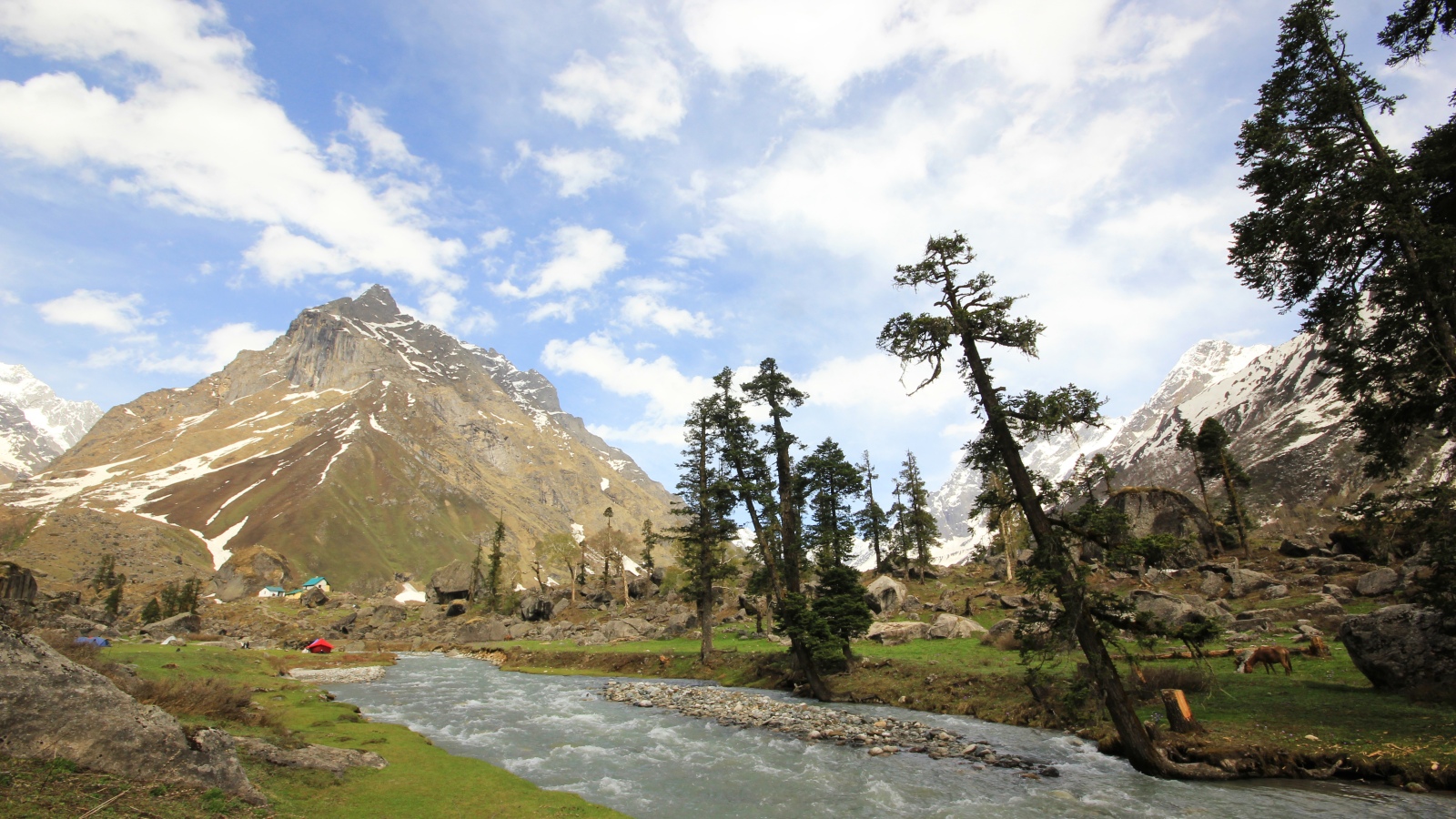
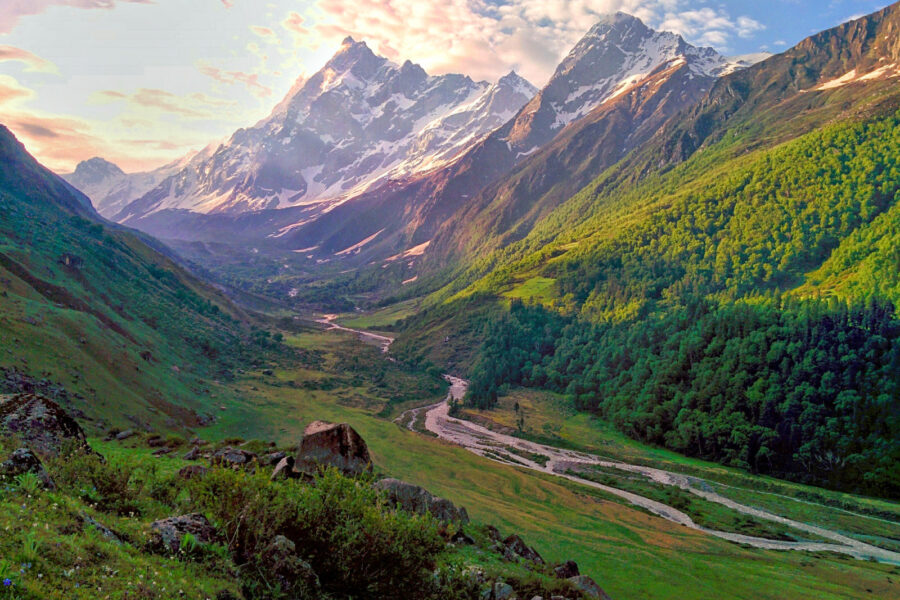
Har Ki Dun is a gorgeous, cradle-shaped hanging valley in the Govind Pashu Vihar sanctuary, ringed by the Swargarohini massif. The trail passes through ancient villages with distinctive wooden architecture, terraced fields and pine forest, offering a window into old Garhwali life.
Doable across much of the year and beginner-friendly for a longer trek, it can be extended to the Jaundhar glacier or the Maninda Tal lake. Spring brings wildflowers; autumn brings crisp, clear views.
Tap “Get directions” to open any spot straight in Google Maps.
Shiv Shankar, Bali Pass, Osla -, Uttarakhand, India
Yamunotri hot spring, Bali Pass, -, Uttarakhand, India
Ram Mandir, NH134, Janki Chatti -, Uttarakhand, India
Base and stock up at the trailhead before you start; on the trail expect basic halts and simple meals - tea stops and packed snacks, with no cafe-style reliability once you set off.
Stay
Yes Boss Homestay, Bali Pass, Gangwar -, Uttarakhand, India
The best time for the Har Ki Dun Trek is March to June, September to December.
The Har Ki Dun Trek tops out near 3,560 m.
It covers about 47 km and takes around 6–7 days.
 Autumn
 Autumn
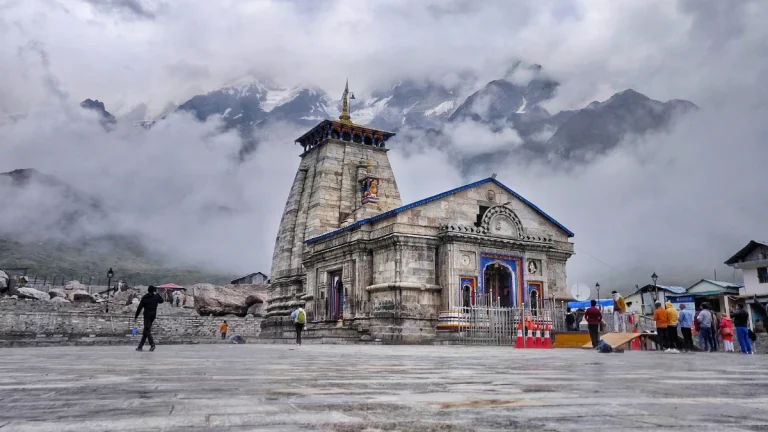 Autumn
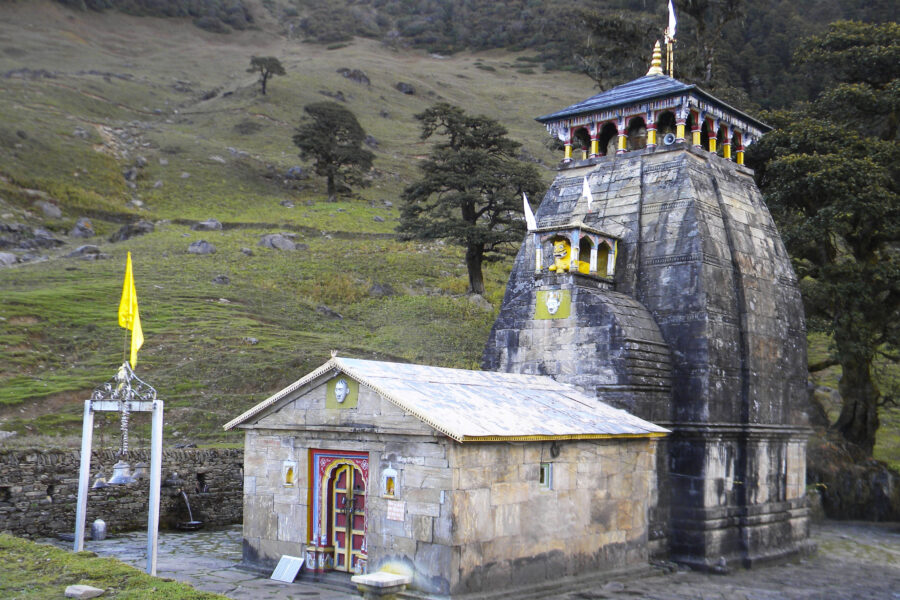 Autumn
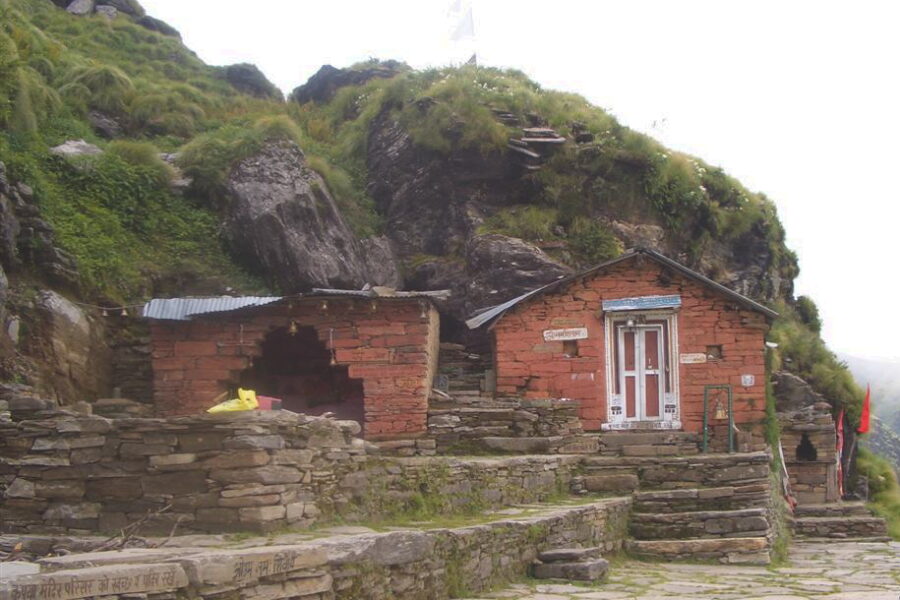 Autumn
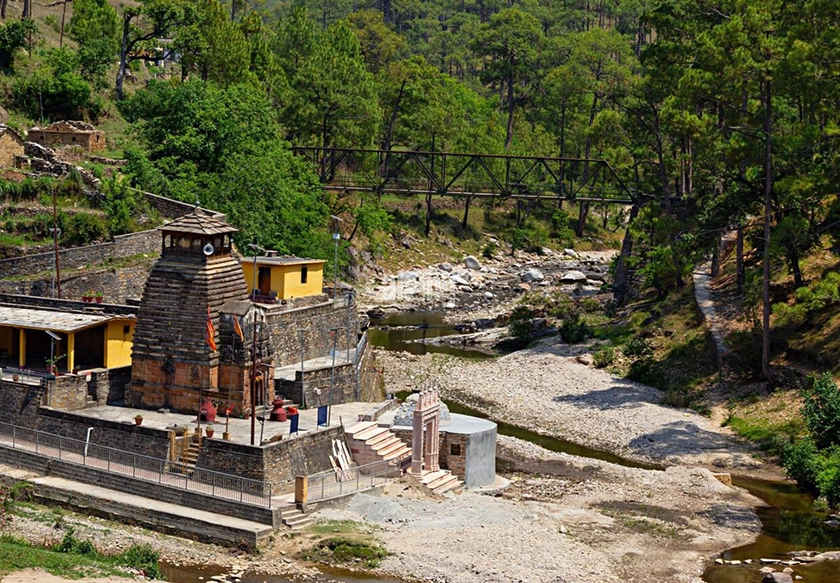 Autumn
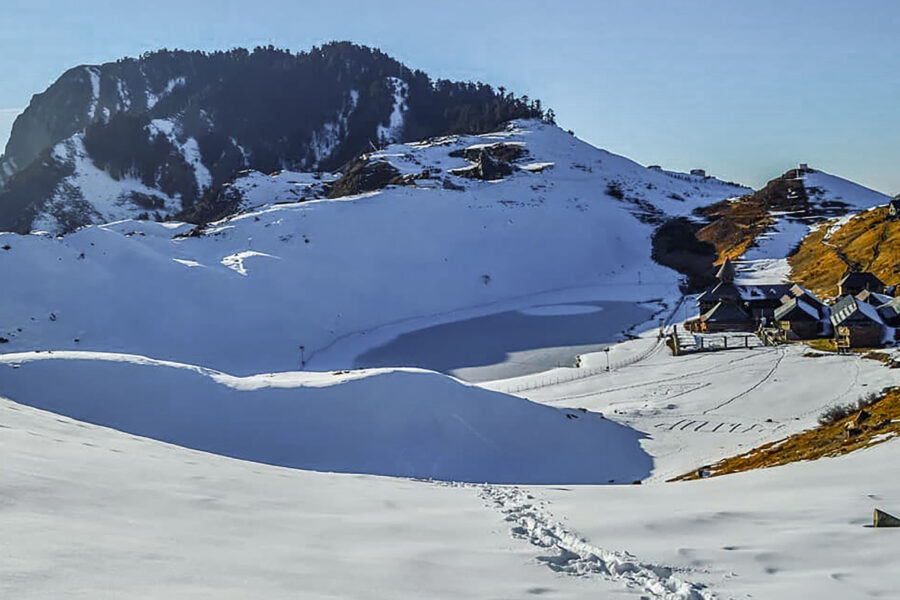
Trek guides 8 min read
Are you searching for a Top five range of thrilling, stimulating, and daring winter treks? Uttarakhand is your…
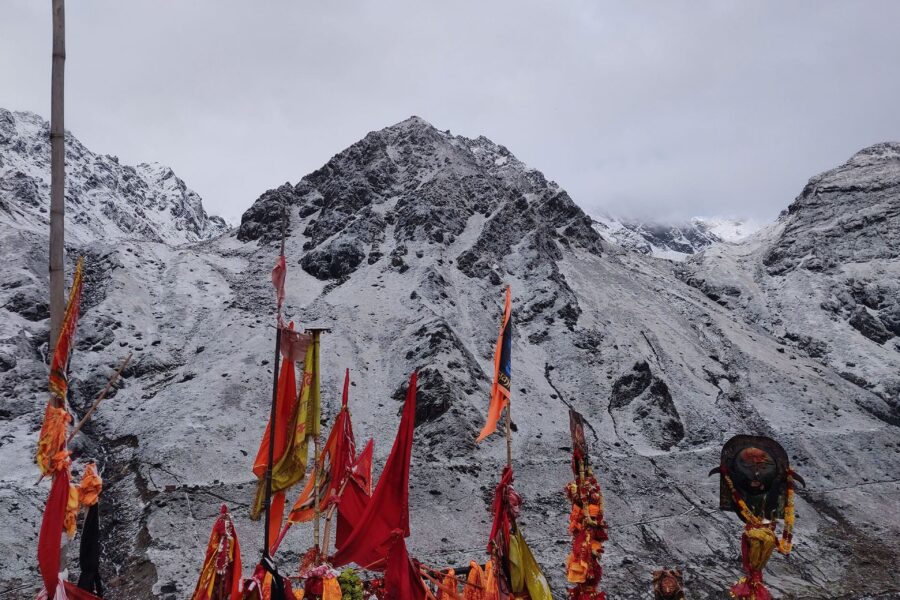
Trek guides 14 min read
Kedarnath Yatra is a pilgrimage to the holy shrine of Lord Shiva located in the Garhwal Himalayas in…
Trek guides 12 min read
Are you looking for a day by day detailed daily itinerary for a trip to Chopta, Tungnath and…
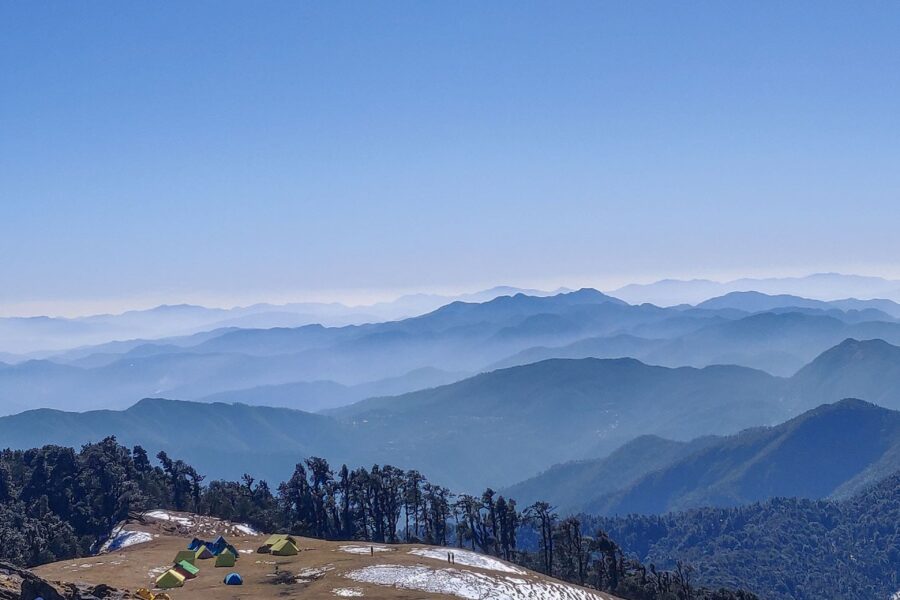
Trek guides 9 min read
One of the very few Himalayan Treks which goes to an alpine lake. Best winter trek in Uttarakhand…

Packing guides 12 min read
When planning a vacation, the first two places that typically come to mind are Mountains or beaches. After…
Packing guides 9 min read
If you are wondering how to best prepare for a trek in the Himalayas when your local environment…

Packing guides 12 min read
While trekking shoes and running shoes may seem similar but, trekking shoes and running shoes are two different…

Packing guides 9 min read
"Explore India's Great Outdoors with the Best Trekking Backpacks" Are you looking for the perfect backpack for your…