
 Aditya Bansal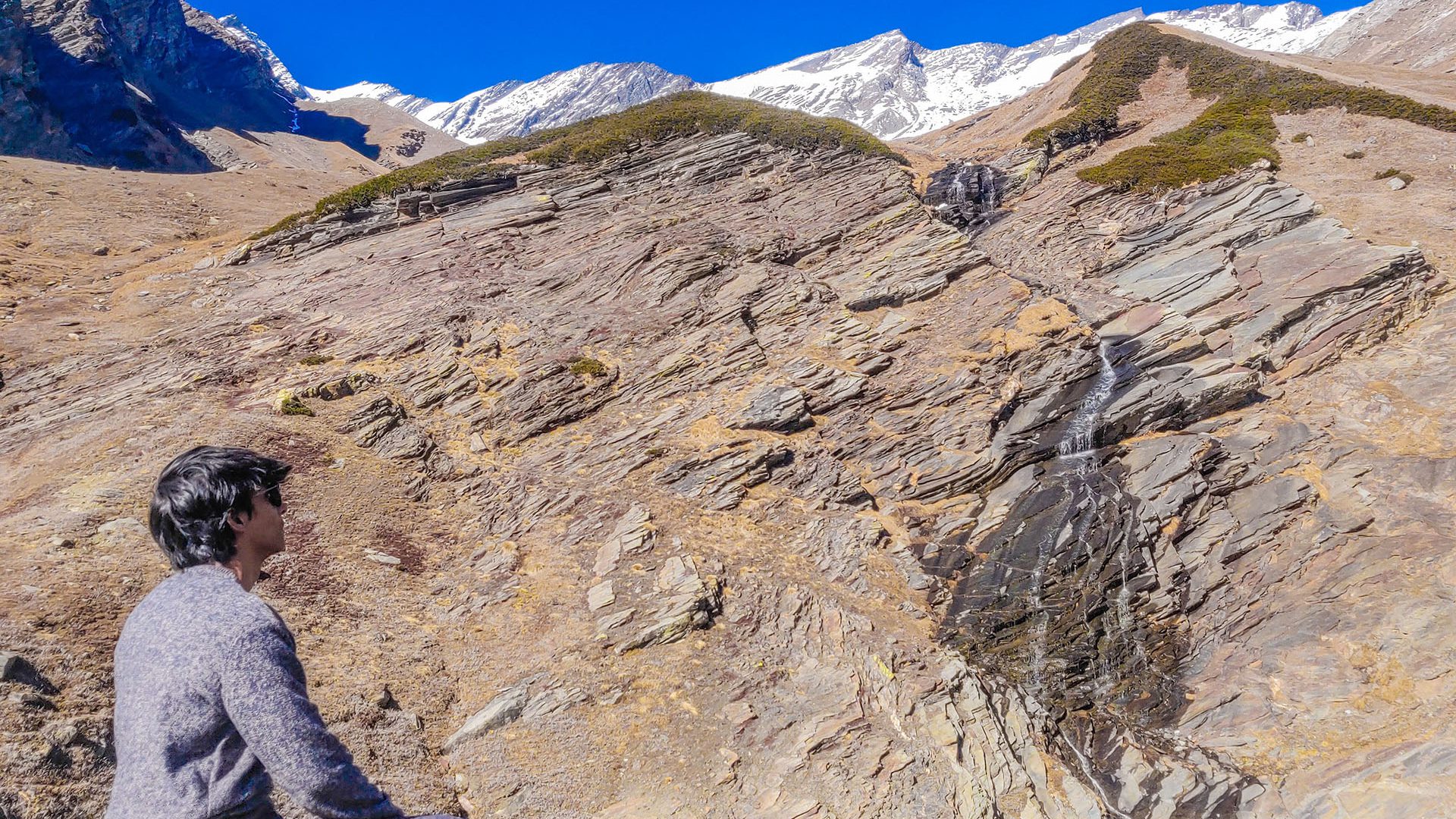
A Trek to the Origin of River Beas
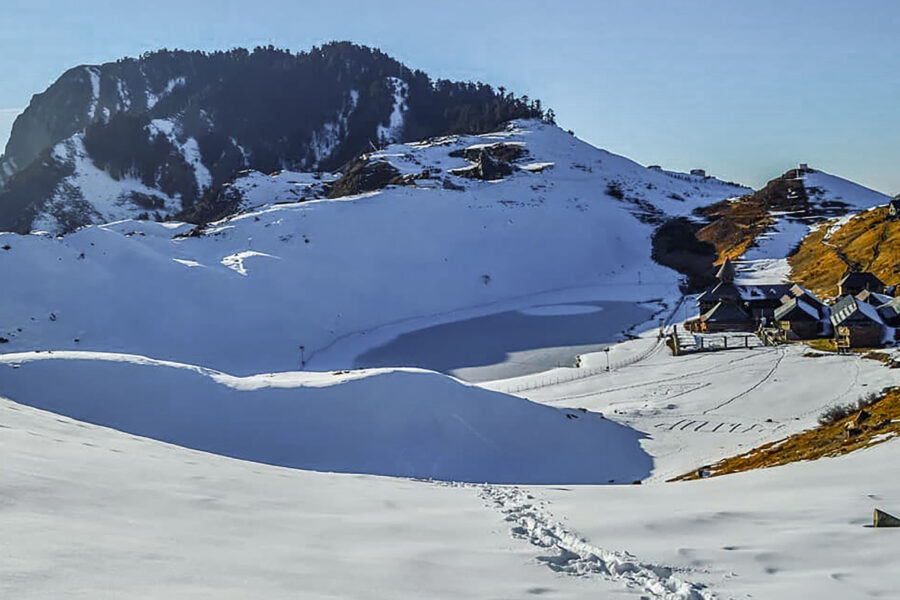
Beas Kund Trek is a popular trek in the Kullu region of Himachal Pradesh, India. It is a moderate-level trek that takes you through lush green meadows, snow-capped mountains, and pristine rivers. The trek starts from Dhundi and passes through Bakarthach, and finally, Beas Kund. The trek culminates at the Beas Kund, a high-altitude glacial lake situated at an altitude of 3900 m.
Beas Kund is a source of River Beas. The origin of the river Beas is located in the Himalayas, near the Rohtang La in the Pir Panjal Range of the Himalayas in Himachal Pradesh. The river flows through the Kullu Valley and then enters the Kangra Valley, where it is joined by the Sutlej River. The Beas then flows through the plains of Punjab and finally empties into the Indus River near Harike in Pakistan. The trek to the origin of the river is a challenging one and requires a good level of fitness.
The Beas Kund Trek is Located in Pir Panjal and Dhauladhar ranges which is known for its spectacular views. It is also a great opportunity to explore the local culture and traditions of the region.
The trek starts from Dhundi but can also be done solely from Manali which passes through some beautiful villages, lush green meadows, and snow-capped mountains. The trek is usually done over a period of 4-5 days and involves camping in the wilderness. The trek is a great way to explore the beauty of the Himalayas and experience the thrill of being close to nature.
The trek is believed to have been first undertaken by the legendary sage Vyas, who meditated there for many years. The trek is also known as the Vyas Kund Trek and is a popular pilgrimage for Hindus.
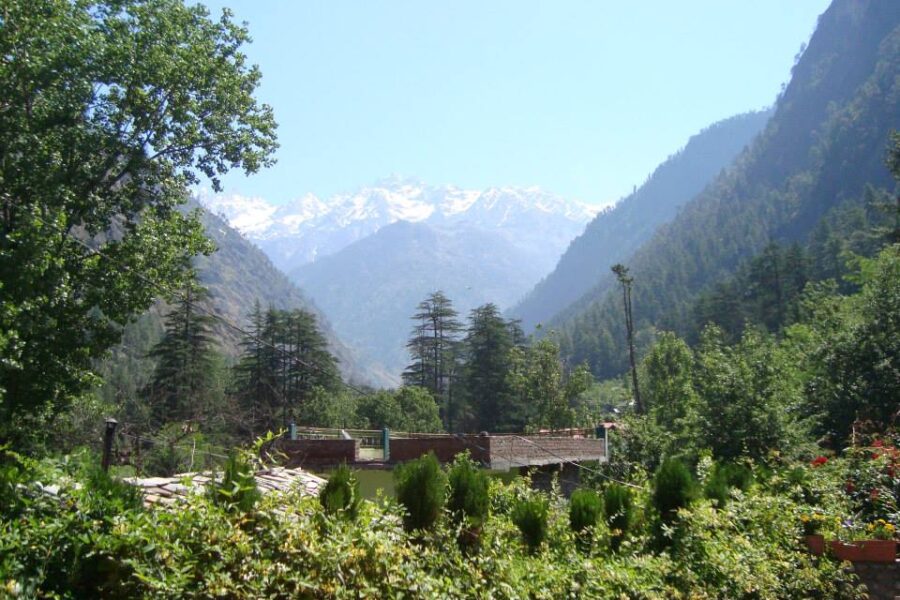
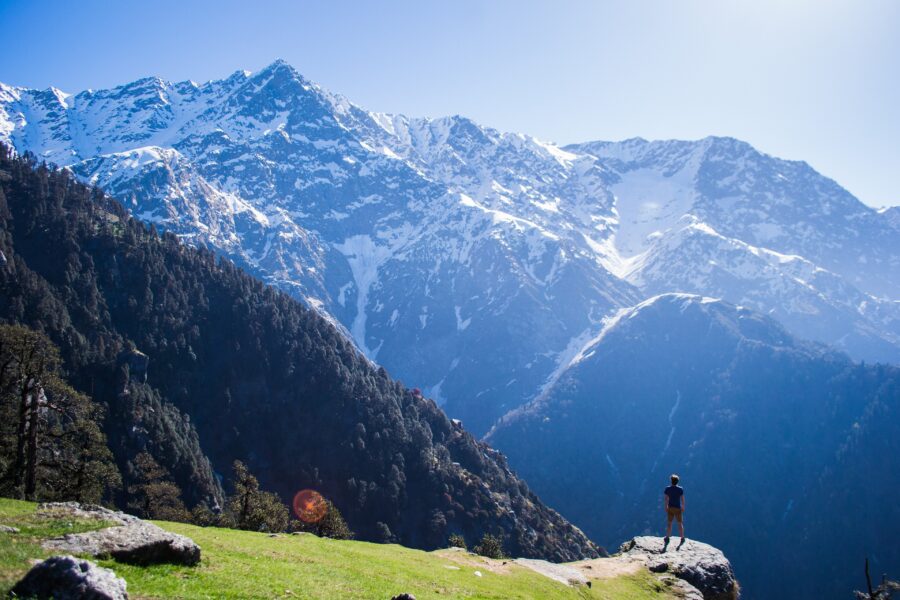
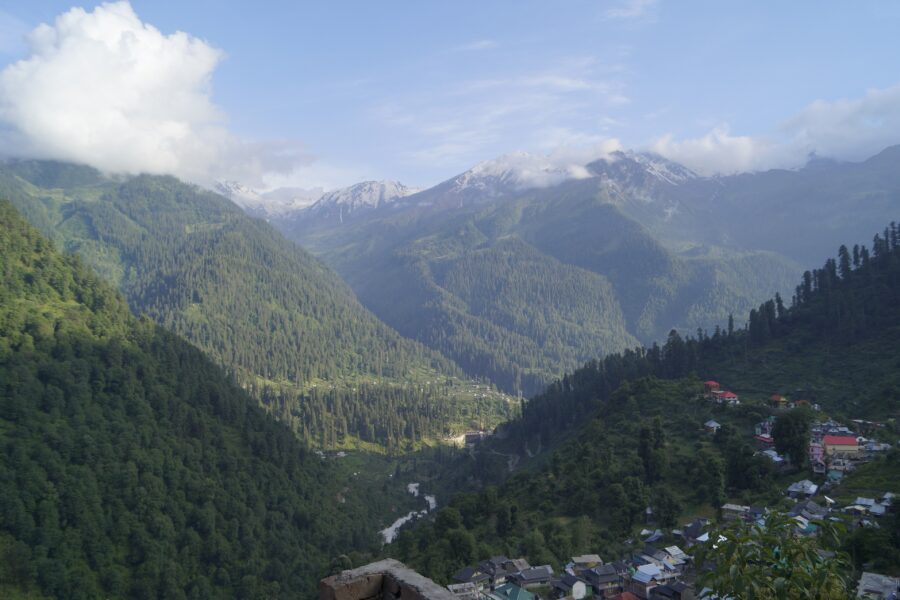
You will catch the views of mighty mountains of Himachal Pradesh during Beas Kund Trek such as Indrasan (6221 m), Deo Tibba (6001 m), Hanuman Tibba (5982 m), Shitidhar (5290 m), Friendship Peak (5287 m).
This combination of towering snowy peaks, lush grasslands, and tranquil lake draws everyone to this trek. Although this trek is suitable for beginners, we would recommend adequate preparation. The ascent from approximately 8000 ft at the start of the trek to over 12,000 ft is no easy feet.
How Difficult is Beas Kund Trek? Beas Kund Trek Distance
Beas Kund Trek is considered to be a moderate-level trek. It is suitable for beginners and experienced trekkers alike. The trek involves walking for around 6-7 hours each day, Total distance of Beas Kund trek is 18 km with some steep ascents and descents. The highest point of the trek is at an altitude of 12,795 feet, so it is important to be prepared for the altitude and acclimatize properly. The trek also involves crossing a few streams and glaciers, so it is important to have the right gear and be aware of the risks involved.
Why Fitness is Important on Beas Kund Trek?
Fitness is important on the Beas Kund Trek because it is a strenuous trek that involves long days of hiking at high altitudes. The trek requires a good level of physical fitness and endurance to complete it successfully. It is important to be physically fit in order to cope with the long days of trekking, the steep ascents and descents, and the high altitudes. Being physically fit will also help you to enjoy the trek more as you will be able to take in the stunning views and appreciate the beauty of nature.
During preparation for this trek, your aim should be to comfortably finish 5 km within 40 minutes. You should start your preparation from at least a month in advance, by running or by doing some cardio, you can achieve your fitness for Beas Kund Trek.
Best Time to Visit the Beas Kund Trek
The best time to visit the Beas Kund Trek is from May to October. May to June is when the weather is most pleasant and the snow has melted, making it easier to traverse the terrain. The months of June and July are especially popular for trekking as they offer clear skies and stunning views of the Himalayas.
It is suggested to avoid Beas Kund Trek in monsoon season i.e., August to September. The place receives heavy rainfall & route may be closed due to landslide. October is an ideal time to plan a trek, as the weather is cool and invigorating. The crisp air and chilly temperatures make it the perfect month to explore the outdoors before winter arrives.
How to Reach Beas Kund Trek by Manali?
Manali by Air
The nearest airport to Beas Kund Trek is the Bhuntar Airport, located in Kullu, at about 32 km from Manali, Himachal Pradesh. It is well connected to major cities like Delhi, Chandigarh and Shimla. If you are travelling from Kolkata, Bangalore, Chennai, Pune, Mumbai or Gujarat to Bhuntar, you will have to come to Delhi and get a flight from there comfortably.
From the airport, you can take a taxi or bus to Manali and then take a local bus or taxi to the starting point of the trek, which is usually at Dhundi, about 7 km away from Solang Valley.
If you find the flight to Bhuntar airport expensive, then you can come by flight to Delhi and then travel by bus from Delhi to Manali, and it will be easy for you. And many Volvo buses are available at an average of 1000 Rs per person.
Manali by Bus
The nearest bus station to Beas Kund Trek is Manali Bus Station. You can board it from (Delhi) Kashmiri Gate, ISBT; or Chandigarh Bus stand to Manali and then take a local bus or taxi to the starting point of the trek.
Where to Stay and Eat in Manali?
Manali is a popular hill station in India, known for its stunning views of the Himalayas and its vibrant culture. There are a wide variety of options available both for lodging as well as dining when in Manali, ranging from budget hotels to luxury resorts. For budget travellers, there are plenty of guesthouses and homestays available. For those looking for a more luxurious stay, there are several 5-star hotels and resorts in Manali.
For food, Manali has a wide variety of restaurants serving both local and international cuisine. There are also plenty of street food stalls and cafes offering delicious snacks and meals.
You could still try the following in Manali:
Lodging:
1. Hotel Manali Heights – This hotel is located in the Old Manali area and is a magnificent luxurious resort within the surroundings of apple orchards, gurgling streams and set along 500 years old Dhungiri forest, amidst ancient Deodars.
2. Hotel Snow Valley Resorts – This hotel is located in the beautiful Kullu Valley and offers a range of accommodation options.
3. The Manali Inn – Located in the heart of Manali, this hotel offers comfortable rooms with modern amenities.
Eateries:
1. Johnson’s Bar & Restaurant – It is multi-cuisine restaurant offering awesome vibes and serving some delicious food. This restaurant offers a range of Indian and international dishes.
2. The Lazy Dog – An option for those perfect laid-back breakfasts. This restaurant offers a range of Italian and continental dishes.
3. The Tibetan Kitchen – When you need a break from the continental cuisine and want to have good Tibetan food, do give chopsticks restaurant a try. This restaurant offers a range of Tibetan dishes.
Step-By-Step Guide for Beas Kund Trek
When & What to do?
Short Itinerary
1st Day – Reach Manali to Dhundi – (2600 m) (22 km) (2/3 hours)
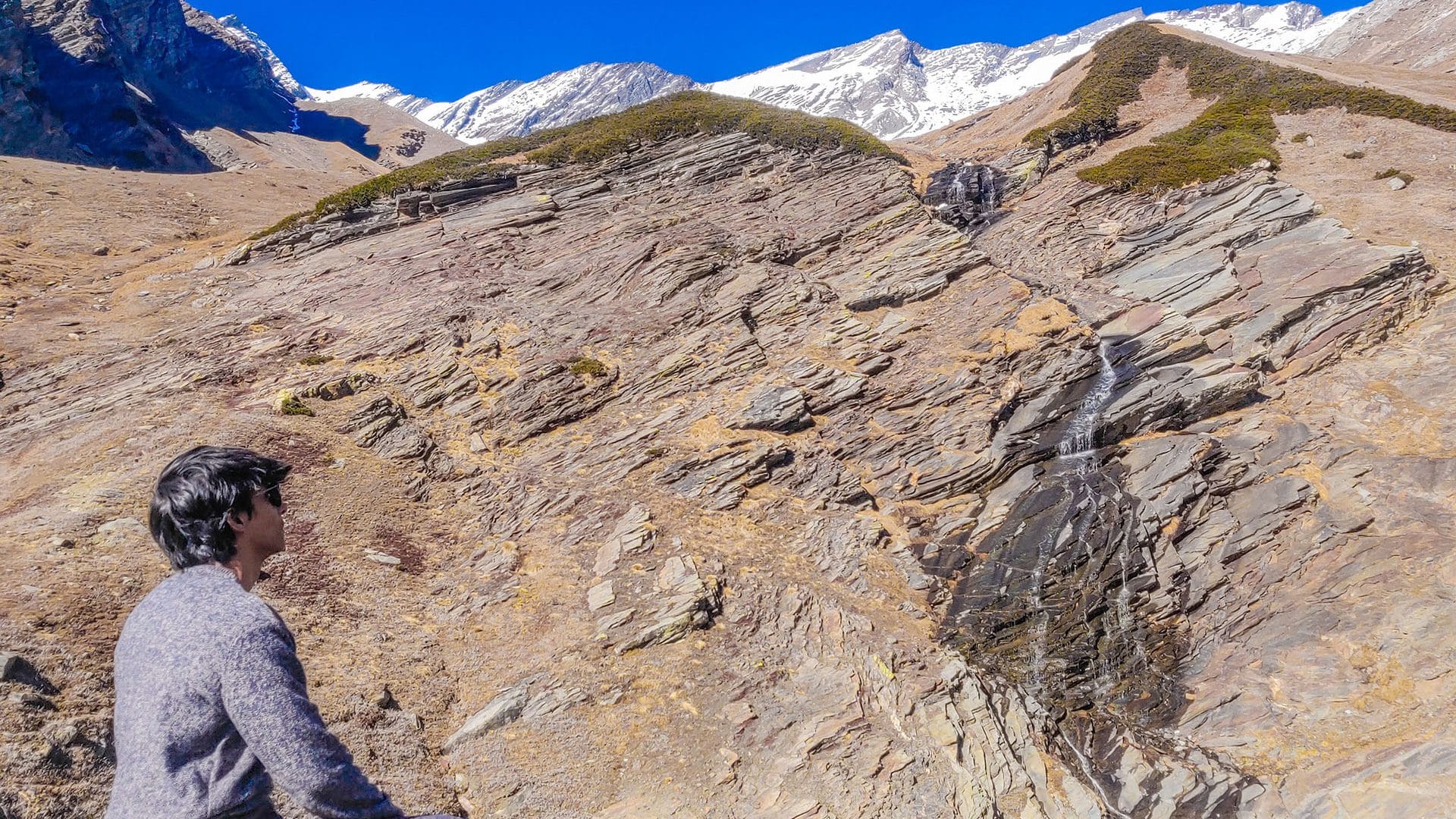
2nd Day – Trek from Dhundi to Bakarthatch – (3300 m) (5 km) (5/6 hours)
3rd Day – Trek from Bakarthatch to Beas Kund – (3900 m) (4 km) (6/7 hours)
4th Day – Trek from Beas Kund to Dhundi – (2600 m) and drive back to Manali – (22 km) (3 hours)
Highlights & Helpful Tips
Highlights
Trekking in the beautiful Beas Kund Valley which provides several stunning vistas that are perfect for capturing nature’s beauty through photography.
Enjoying the stunning views of the Pir Panjal and Dhauladhar range, as well as Indrasan, Deo Tibba, Hanuman Tibba, Shitidhar, Friendship Peak.
Exploring the quaint villages to gain an insight into the tranquil yet captivating lifestyle of the people living in idyllic villages like Goshal, Shanag and Burwa.
Visiting the famous temple of Lord Shiva at Beas Kund & Camping under the star-studded sky in the lap of nature.
It is perfect short trek; it offers everything a person need outdoors in a trek.
Bakarthach in-route towards Beas kund is also ABVIMAS Base Camp (Atal Bihari Vajpayee Institute of Mountaineering and Allied Sports) is one of the “Western Himalayas Mountaineering Institute” of India.
Helpful Tips
Start your trek early in the morning to avoid the heat and get the best views of the valley.
Carry enough water and snacks to keep you hydrated and energized throughout the trek.
Wear comfortable shoes with good grip as the terrain can be slippery at times.
Carry a first aid kit and some basic medicines to treat minor injuries or ailments.
Make sure you have a map of the area and know the route before starting the trek.
Carry sunglasses & sunscreen above SPF 30.
Do not litter and keep the environment clean. Respect the local culture and traditions of the area.
Take least possible clothes. Lesser the weight to carry, easier it will be later.
Make sure you have a guide with you to help you navigate the terrain and provide assistance if needed.
If you are experienced in outdoor or into DIY (Do It Yourself) Treks you can bring your own gear or you can rent a gear from Manali, i.e., Tents, Sleeping Bag, Stove, Mattress etc.
We rented our Gear from Indian Himalayan Excursions near Moustache, Manali.
Owner: Kapil Negi (9816257777)
Quick Facts about Beas Kund Trek (Key Points)
Duration: 4D/3N
Total Distance: 18 km
Maximum Height: 12,795 ft
Difficulty Level: Easy to Moderate
Temperature: Day (8°C to 15°C) and Night (0°C to -7°C)
Best Time: May – October
Nearest Airport: Bhuntar Airport
Electricity: There will be no electricity at the campsite on the trek
Nearest ATM: Solang Valley is the last point where you will get ATM
Start Point/End Point: Beas Kund Trek starts from Dhundi and ends at Solang Valley
Hindu Mythology Behind Beas Kund
According to Hindu mythology, it is believed that Sage Vyas meditated at this lake and composed the Mahabharata here. It is also believed that Lord Shiva blessed Sage Vyas with the knowledge of the Vedas at this lake. People also believe that Lord Rama and his brother Lakshmana visited this lake during their exile. Beas Kund may have been derived from Vyas, the sage; and Kund, the Lake.

Leave a Reply