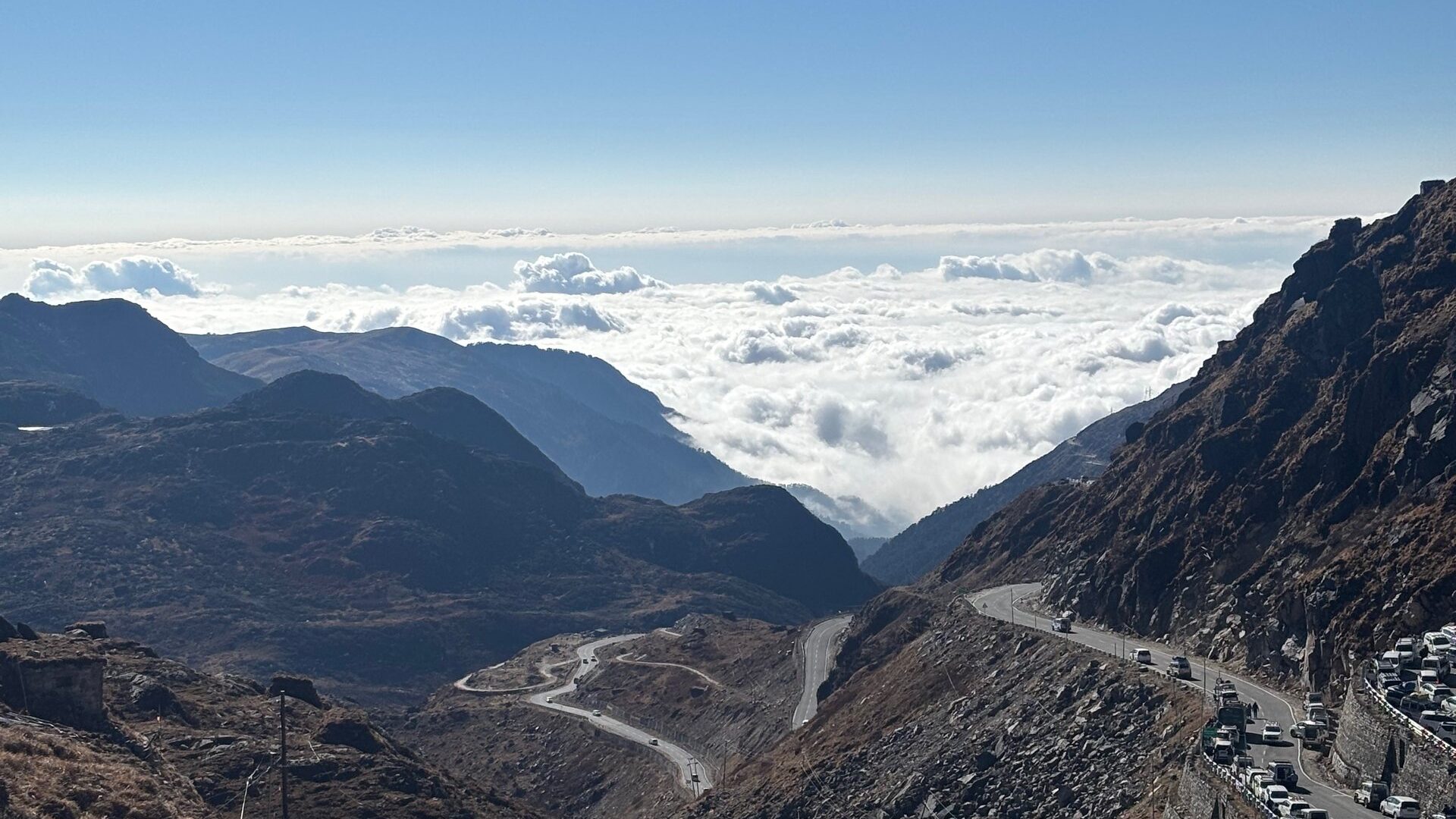
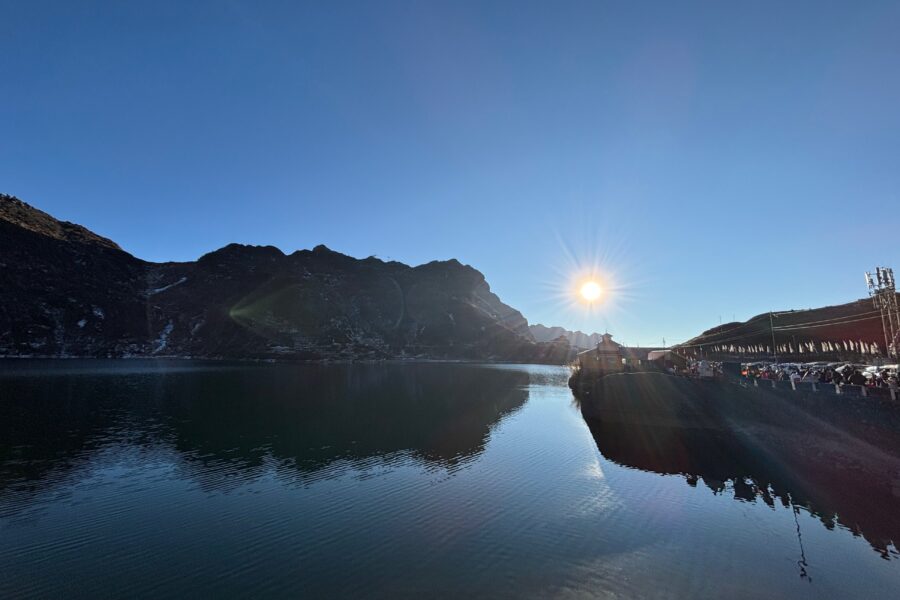
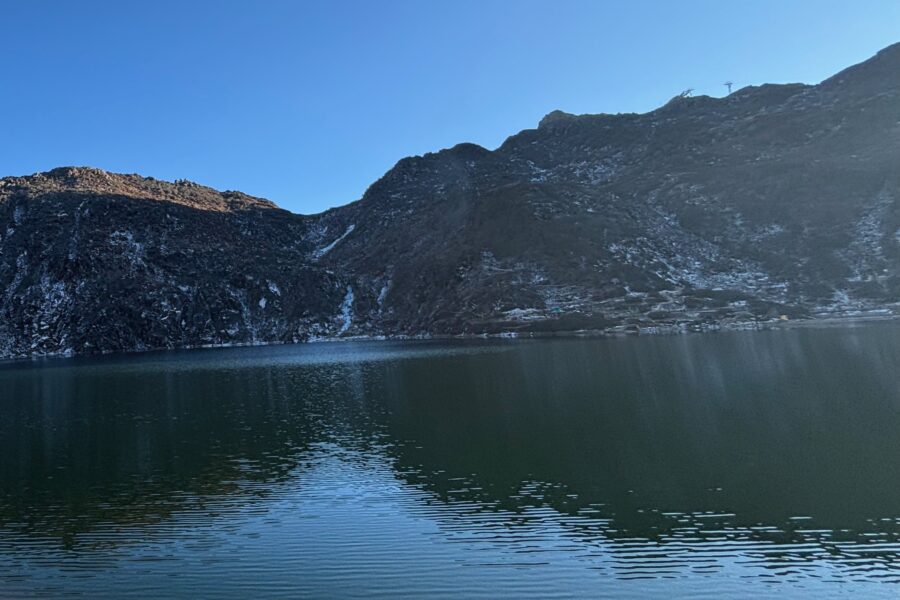
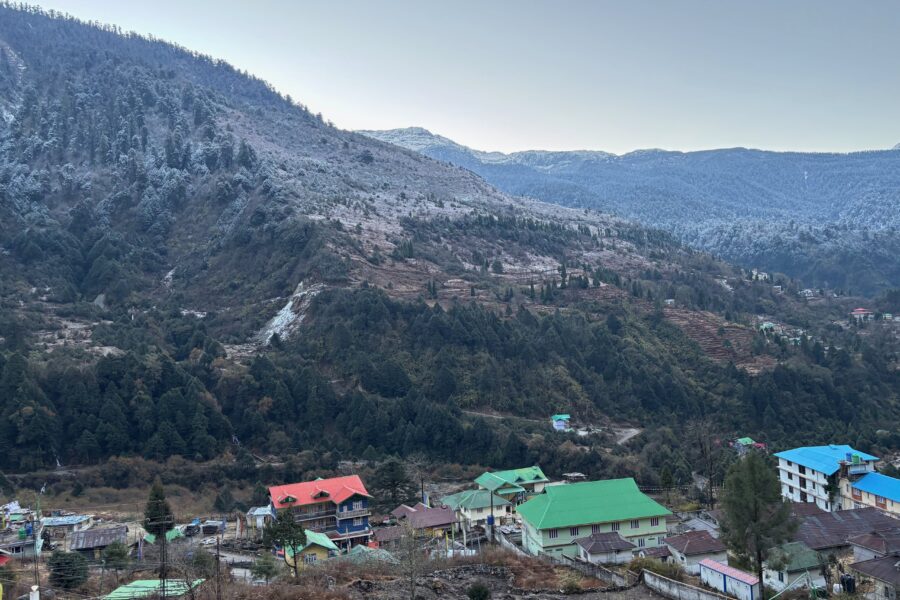
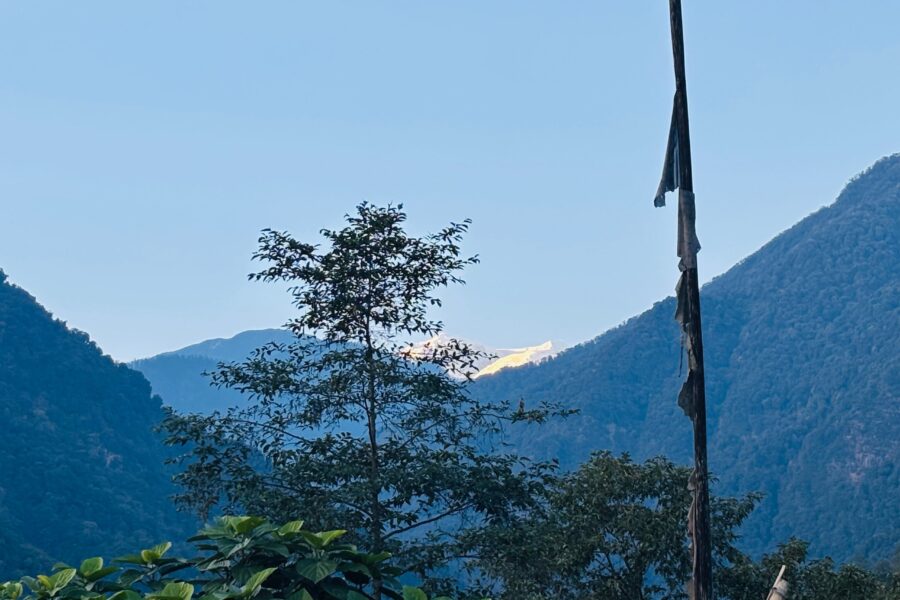
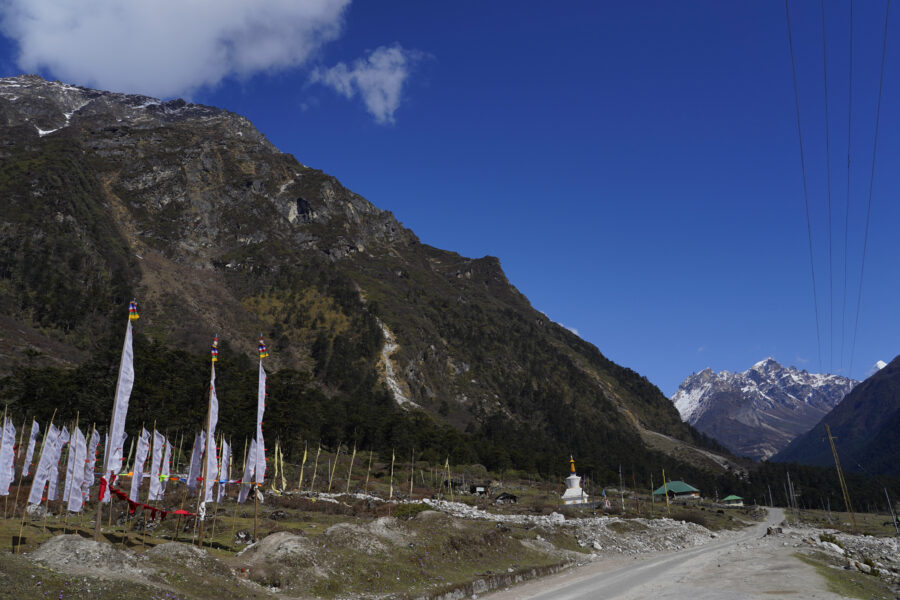
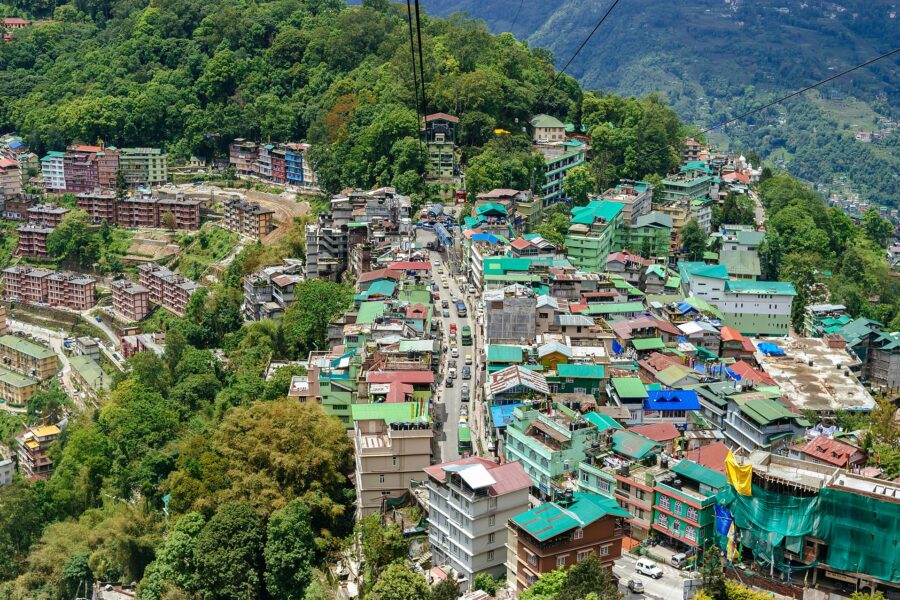
Nathu La is the 4,310 m pass on the India-China border in East Sikkim, about 56 km from Gangtok, on the old trade route between Sikkim and the Chumbi valley of Tibet. Sealed after the 1962 war and the scene of clashes in 1967, it is now a guarded border post that Indian visitors can see on permitted days, with the signboard at 14,140 ft and the border fence a short walk from the parking. The same road passes Tsomgo (Changu) Lake at about 3,750 m and, a few kilometres below the pass, Baba Mandir, the shrine to the soldier Harbhajan Singh. All three are done as one long day from Gangtok with a permit arranged by a registered tour operator.
DIY Snapshot
DIY difficultyModerate
Best forRoad trip, Nature, Spiritual, Culture
Ideal days2 days
Best seasonApr to Jun and Oct to Dec, for clearer skies; snow often closes it from Jan to Mar
Budget₹5,000-₹9,000
Local transportModerate
InternetPatchy
Safety comfortHigh
LanguagesNepali, Sikkimese (Bhutia), Hindi, English
How is this score calculated?
This is a DIY-readiness gauge - how do-able it is to plan and travel yourself. Destinations show it as a 0-5 DIY Score; treks & routes as a 0-10 Score (a wider scale for the extra variables they carry). Both are built from these factors:
SafetyLocal safety, terrain and current advisory conditions along the route.
Transport accessHow easily you can reach the place and move around without your own vehicle.
NetworkMobile signal and data coverage you can expect on the way.
Season reliabilityHow dependable the weather and season window is for travel.
Budget clarityHow predictable day-to-day costs are, with few surprises.
Trail / route clarityHow well-marked and easy to follow the route or trail is.
Stay availabilityThe choice and reliability of places to stay along the way.
First-timer friendlinessHow forgiving it is for a first-time independent traveller.
Solo / women comfortHow comfortable and safe it is for solo and women travellers.
Local supportAvailability of guides, hosts and on-the-ground help if you need it.
The sweet spot for visiting Nathu La is April to June and October to December, for clearer skies; snow often closes it from January to March. Give it 2 days to do it justice. Budget roughly ₹5,000-₹9,000 per person for a DIY trip. It is a good fit if you are after road trips, nature, spiritual travel and culture and heritage. First-time DIY travellers can manage it comfortably, and it is a sensible pick for solo women travellers.
DIY route options
The classic day from GangtokGangtok to Tsomgo Lake, Nathu La and Baba Mandir in one day by permitted taxi, back by evening.
Tsomgo and Baba Mandir onlyOn a day Nathu La is shut, or for foreign nationals, the lake and (where permitted) Baba Mandir still make a good half-day.
With the Old Silk RouteCombine with a separate East Sikkim trip to Zuluk, Nathang and Kupup, arranged with its own permit.
What most travellers miss
Tsomgo Lake is most beautiful on the way back in the afternoon light, when the morning queues have gone.
The view from the pass down the valley on a clear day is the real reward - look past the buildings.
Baba Mandir is often hurried; it is a moving story, worth a few quiet minutes.
Carry warm layers even when Gangtok is mild - the pass is cold and windy.
Where to base yourself
GangtokNights 1-2
DIY is the main way - this is the upgrade
Want expert help adapting this plan?
Want a version of this plan built around you? We rework the route, pacing, stays and budget for your dates and group size - you travel independently, with the research already done.
Nearest airportBagdogra, about 125 km from Gangtok, is the usual airport; Pakyong near Gangtok has had only intermittent flights.
Nearest railway stationNew Jalpaiguri (NJP) near Siliguri is the nearest major railhead, about 120 km from Gangtok.
Bus & road hubThere is no bus to Nathu La; visitors must travel in a permitted taxi arranged through a registered Gangtok operator.
Taxis & local transportOnly permitted taxis booked through registered Gangtok tour operators can take tourists to Tsomgo, Baba Mandir and Nathu La. Book a day ahead so the operator can process the permit; shared seats are often available.
Road access & best routeGangtok to Tsomgo Lake is about 42 km on the Jawaharlal Nehru Marg (NH 717B); Nathu La is about 17 km beyond, and Baba Mandir about 8 km from the pass. The round trip is about 115 km and takes most of the day. There are army check-posts on the way. Check /is-it-open/nathu-la/ on this site.
Things to do & travel tips
Check /is-it-open/nathu-la/ and ask your operator the evening before; snow, landslides or army orders close the road without much notice.
Only Indian nationals can visit Nathu La. The permit is arranged by a registered Gangtok operator, usually a day ahead, with photos and ID; tourist days are usually Wednesday to Sunday. Foreign nationals can usually get a permit for Tsomgo Lake only. Sikkim has announced online QR-coded permits - ask your operator which system is in use.
At 4,310 m the air is thin; walk slowly from the parking to the border, skip the steps if you feel breathless, and keep the visit short.
Follow army instructions on where photography is allowed near the border, and do not fly drones.
Tap “Get directions” to open any spot straight in Google Maps.
Jelep La
4.1 km from Nathu La centre
Jelep La elevation 15,800 feet (4,800 m), is a high mountain pass between Sikkim, India and Tibet Autonomous Region, China. It is on a route that connects Lhasa to India. The pass is about 4 km (2.5 mi) south of Nathu…
Menmecho Lake is a mountain lake located in Gangtok district in the Indian state of Sikkim. It lies on the way to the Jelep Pass and is situated 20 kilometres (12 mi) ahead of the Lake Tsomgo. It is the source of the …
Cho La or Cho-la is a mountain pass in the Chola range of the Himalayas. It connects the Indian state of Sikkim with China's Tibet Autonomous Region. It is situated around four miles to the north-west of Nathu La.
Tsomgo Lake, also known as Tsongmo Lake or Changgu Lake, is a glacial lake in Changu in the Gangtok district of the Indian state of Sikkim, some 40 kilometres (25 mi) from the capital Gangtok. Located at an elevation …
Pangolakha Wildlife Sanctuary is a wildlife sanctuary encompassing an area of 124 km2 (48 sq mi) in the Pakyong District of the Indian state of Sikkim. It was established in 2002 and includes the hamlets of Aritar, Da…
Kyongnosla Alpine Sanctuary is a nature reserve in Gangtok district, Sikkim, India. It is situated around the area adjoining Lake Tsomgo and covers an area of about 31 km2 (12 sq mi). It harbours orchids and rhododend…
Usual season: All year. Open most of the year on tourist days, but snow often shuts it in winter.
-4°C now, clear sky · next 3 days -7° to 5°
Usual seasons are approximate; snow and landslides can close any road. Check locally before you set off.
Frequently asked questions about Nathu La
What is the best time to visit Nathu La?
The best time to visit Nathu La is April to June and October to December, for clearer skies; snow often closes it from January to March.
How many days do you need for Nathu La?
Plan for about 2 days to see Nathu La at an easy pace.
What is the nearest railway station to Nathu La?
The nearest railway station to Nathu La is New Jalpaiguri (NJP) near Siliguri is the nearest major railhead, about 120 km from Gangtok.
What is the nearest airport to Nathu La?
The nearest airport to Nathu La is Bagdogra, about 125 km from Gangtok, is the usual airport; Pakyong near Gangtok has had only intermittent flights.
How do you reach Nathu La by road?
Gangtok to Tsomgo Lake is about 42 km on the Jawaharlal Nehru Marg (NH 717B); Nathu La is about 17 km beyond, and Baba Mandir about 8 km from the pass. The round trip is about 115 km and takes most of the day. There are army check-posts on the way. Check /is-it-open/nathu-la/ on this site.
How much does a trip to Nathu La cost?
A DIY trip to Nathu La starts around ₹5,000-₹9,000 per person, depending on stays, travel and season.
Is Nathu La good for first-time or solo travellers?
Yes - Nathu La is a sensible pick for first-time DIY travellers and solo women travellers, if you plan the basics ahead.