
Gue Monastery – The Hidden Wonders of Middle Land
 Aditya Bansal
·8 min read
·Last reviewed
Aditya Bansal
·8 min read
·Last reviewed
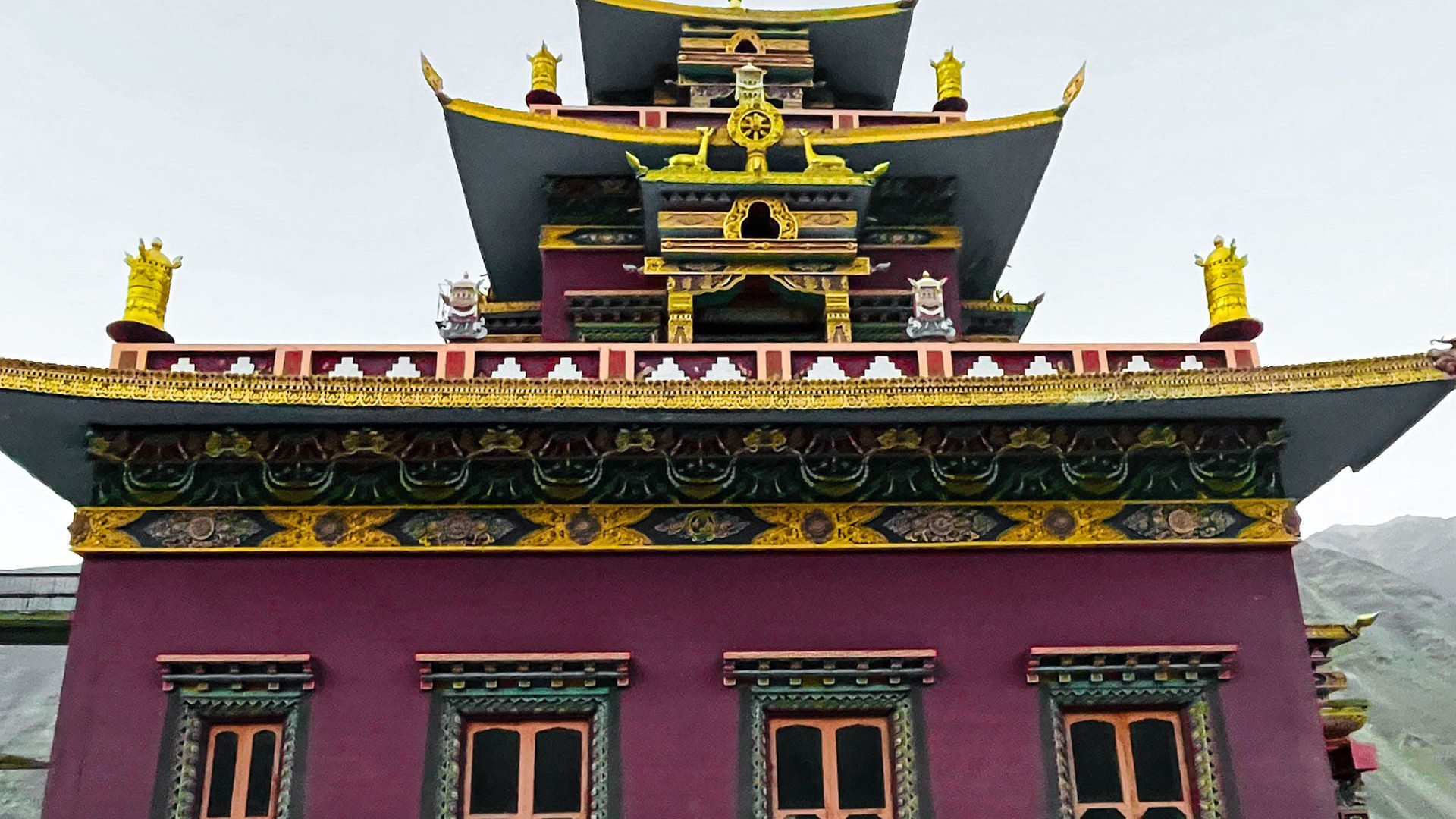
Experience Peace and Calm of Buddhist Retreat in the Gue Monastery
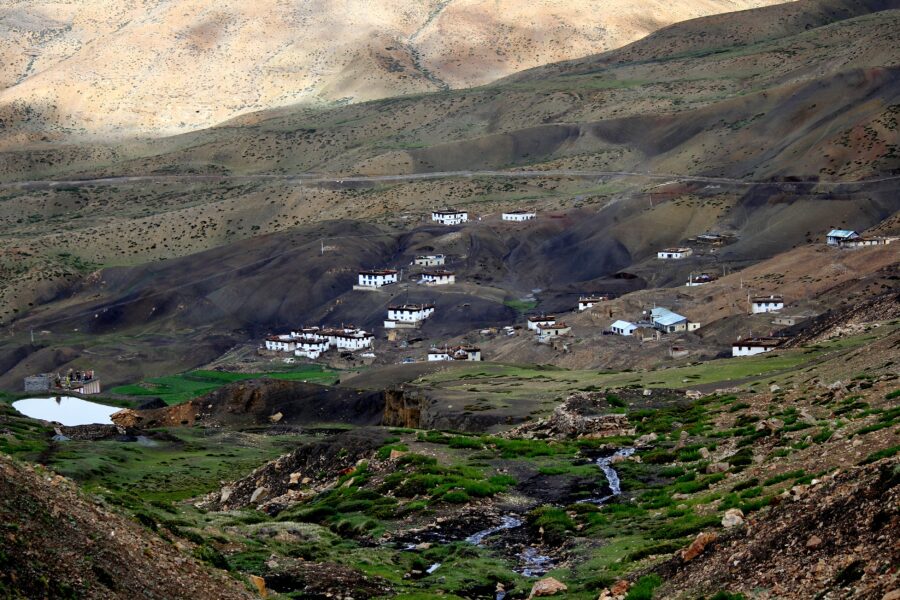
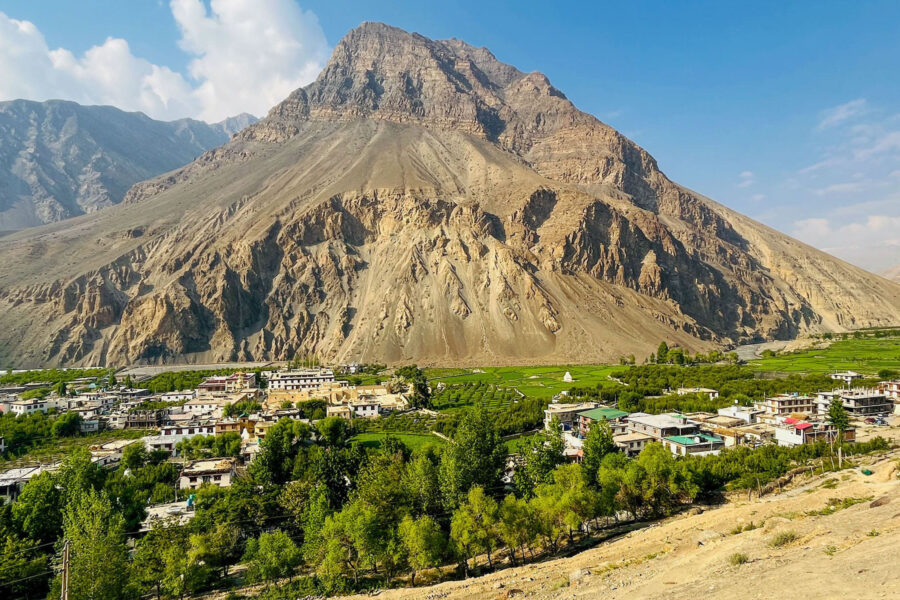
The Gue Monastery is a prominent Buddhist monastery located in the Spiti Valley of Himachal Pradesh, India. It is believed to have been founded by Rinchen Zangpo. A great translator and exponent of Buddhism from western Tibet in the 10th century. The monastery stands atop a hill at an altitude of 4,270 metres above sea level and overlooks the town of Tabo.
The main structure of the monastery consists of several buildings including two temples dedicated to Chenresig (Avalokiteshvara) and Padmasambhava respectively. There are also several other smaller temples containing statues and murals. Depicting various aspects of Buddhism such as compassion, wisdom and non-violence. The monastery also houses a library containing many ancient manuscripts and texts.
The Gue Monastery is well known for its annual festival which takes place in the month of June/July every year. During this time, lamas from various monasteries across the region come together to perform traditional Buddhist rituals. Such as chanting, praying and offering prayers to deities. This event draws large crowds of devotees who come to seek blessings and peace of mind.
The Gue Monastery is one of the oldest surviving Buddhist monasteries in India. It serves as an important centre for the propagation of Buddhism in this part of Himachal Pradesh. It provides a unique opportunity for visitors to experience authentic Tibetan culture. Also gain insight into their spiritual beliefs and practices.
What is the folk tale of the Gue Monastery
The Folk Tale of the Gue Monastery in Spiti is a story that dates back centuries, and has been passed down through generations. It tells of a group of monks who lived in an isolated monastery high up in the Himalayan Mountains. One day, they heard a voice coming from outside their walls telling them to come out and meet someone. When they did, they found themselves face-to-face with a young boy. Who told them he was sent by God to give them something special. He presented each monk with a small stone tablet inscribed with Buddhist scriptures written in gold ink. These tablets were known as “Gue” or “Gye” stones.
The monks were so taken aback by this gift that they decided to build a temple. In honor of the boy and his mysterious benefactor. This is how the Gue Monastery was born. The monks continued to live there for many years, studying and teaching Buddhism. Until one day an earthquake destroyed the building. Only a few of the stones survived, though some were taken away by looters in search of treasure.
Today, these Gue stones are considered sacred relics by Buddhists all over India and beyond. They are believed to bring good luck and fortune to those who possess them. As well as providing spiritual guidance on life’s journey. It is said that if you visit the ruins of Gue Monastery today. You may still find traces of its incredible history. A reminder of the power of faith and the strength of those who followed it.
Who was Sangha Tenzin?
The 500-year-old mummy you see in Gue Monastery is of Sangha Tenzin. Sangha Tenzin was a Buddhist monk who lived in Gue Spiti. He was born into a family of Tibetan origin and raised as an orphan in the monastery at Gue Spiti. As he grew older, Sangha Tenzin dedicated himself to helping others through his teachings and spiritual guidance.
It’s Believed to be of Sangha Tenzin; a monk from the Gelugpa order of Tibetan Buddhism. ‘Mummy Lama’ as it fondly called by some villagers, was probably practicing “Dzogchen”. One of the highest forms of meditation – evidenced by the rosary in one hand and Gomthak tied around its neck to knee.
He taught Buddhism to both locals and visitors alike, inspiring people with his wisdom about life and death. He was also known for providing aid to those suffering from poverty or illness. By offering them food, clothing, medical supplies or whatever else they needed.
In addition to being an influential teacher of Buddhism, Sangha Tenzin was also well-known for performing miracles throughout the region. People of Gue Spiti believed he had the power to heal sick and even bring dead animals back to life.
He was also said to have performed many other acts of charity. Such as providing food for those who were hungry or giving shelter to those without a home.
How Mummy of Gue Monastery was Discovered
The discovery of the mummy has shed light on the history and culture of this region. As well as providing insight into ancient embalming practices used by Tibetan monks. It is believed that the body was mummified through a process known as “self-mummification”. Which involved meditating for extended periods while slowly reducing food intake until death occurred naturally.
The official statement is that the mummy was discovered by the Indo-Tibetan Border Police (ITBP). By chance during road work in 2004, although locals claim they had known about it since the 70s. When it was located in a tomb at another location.
This tomb was destroyed by the 1975 earthquake of Spiti that caused extensive damage throughout the valley. It also near demolished the Nako monastery. After this disaster, the mummy disappeared until its rediscovery by ITBP during excavation almost 30 years later. Since then, maintenance and security of the shrine has been provided for by Himachal Pradesh’s government.
It is believed that the Buddhist monks of Yamagata in northern Japan and Sangha Tenzin. We’re gathering knowledge about self-mummification, otherwise known as Sokushinbutsu. This ritual, which was started around 1000 years ago by a Japanese priest named Kukai. It intended to demonstrate the ultimate act of religious discipline and dedication. It was also practiced by many monks. It culminated in death and the complete preservation of the body.
What is Self-Mummification?
Self-mummification was a process practiced by some Buddhist monks in Japan and other parts of Asia. It began as early as the 10th century. It is estimated 1000 people having gone through the process between then and 19th centuries.
The ritual involved extreme asceticism that often lasted over ten years. During this period, the monk would gradually reduce their calorie intake while engaging in rigorous physical activity to lose weight. This diet consisted mostly of nuts, seeds and berries with occasional servings of roots or tree bark for added sustenance. Alongside this restrictive diet came prayers, meditation, chanting and periods of fasting throughout each year leading up to mummification itself.
When it came time for mummification itself, the monk would enter a stone tomb and take up the lotus position. He was then sealed inside with only an air tube for ventilation and two tubes for liquids. One leading to his mouth so he could consume a special tea made from toxic lacquer tree sap. Which is said to have preservative qualities. Another connected to a bell outside the tomb that he would ring each day to signal that he was still alive.
Once inside, the monk endured extreme dehydration & physical discomfort due to confinement before eventually dying in this state of meditation. His body would be mummified by the toxic tea over time until it had hardened into a statue-like form. These mummies were placed on display in temples or shrines as a reminder of the monk’s spiritual dedication and self-discipline.
Self-mummification was a practice that not only required great physical and mental strength. But also demonstrated an individual’s commitment to Buddhism and their faith in the afterlife. It is still seen today as an act of extreme devotion.
Difference between Egyptian vs Tibetan Mummification
Egyptian mummification is the process of preserving a body after death to ensure it remains intact for eternity. It was practiced by ancient Egyptians from around 3000 BC until the end of their civilization in 30 BC. The process involved removing all internal organs except for the heart, drying and wrapping the body with linen strips and oils. Then placing it in a sarcophagus or coffin. This allowed them to better preserve their dead so that they could be remembered long after they had passed away.
Tibetan mummification is ancient practice used by Tibetan Buddhists to honor deceased monks who have achieved enlightenment during their lifetime. Unlike Egyptian mummification, which involves extensive preparation of the corpse before burial. Tibetan mummies are left in a natural state and preserved through the use of special herbs, oils and resins. The body is then placed in a wooden box or chorten (stupa) and sealed with clay to keep out moisture. This method not only preserves the body but also allows for it to remain recognizable even after hundreds of years. Furthermore, Tibetan mummies can be seen as sacred relics that represent the spiritual journey of an enlightened individual.
THE CONCLUSION
The Gué Monastery is a stunning example of traditional Tibetan architecture and culture. It offers visitors a chance to explore the local history, experience the ancient customs, and enjoy some of the most spectacular views in all of Tibet.
Whether you are looking for spiritual enlightenment or simply want to take in breathtaking scenery, this monastery is sure to provide an unforgettable experience that will stay with you forever. Did I miss any point that you bring on your trip??
If you know any other important information about Gue Monastery, which is not listed above, then kindly drop in a comment below.
It will definitely help our travelling community to grow and know more.





Leave a Reply