
Tabo Monastery in Spiti Valley: A Complete Detail Blog
 Aditya Bansal
·11 min read
·Last reviewed
Aditya Bansal
·11 min read
·Last reviewed
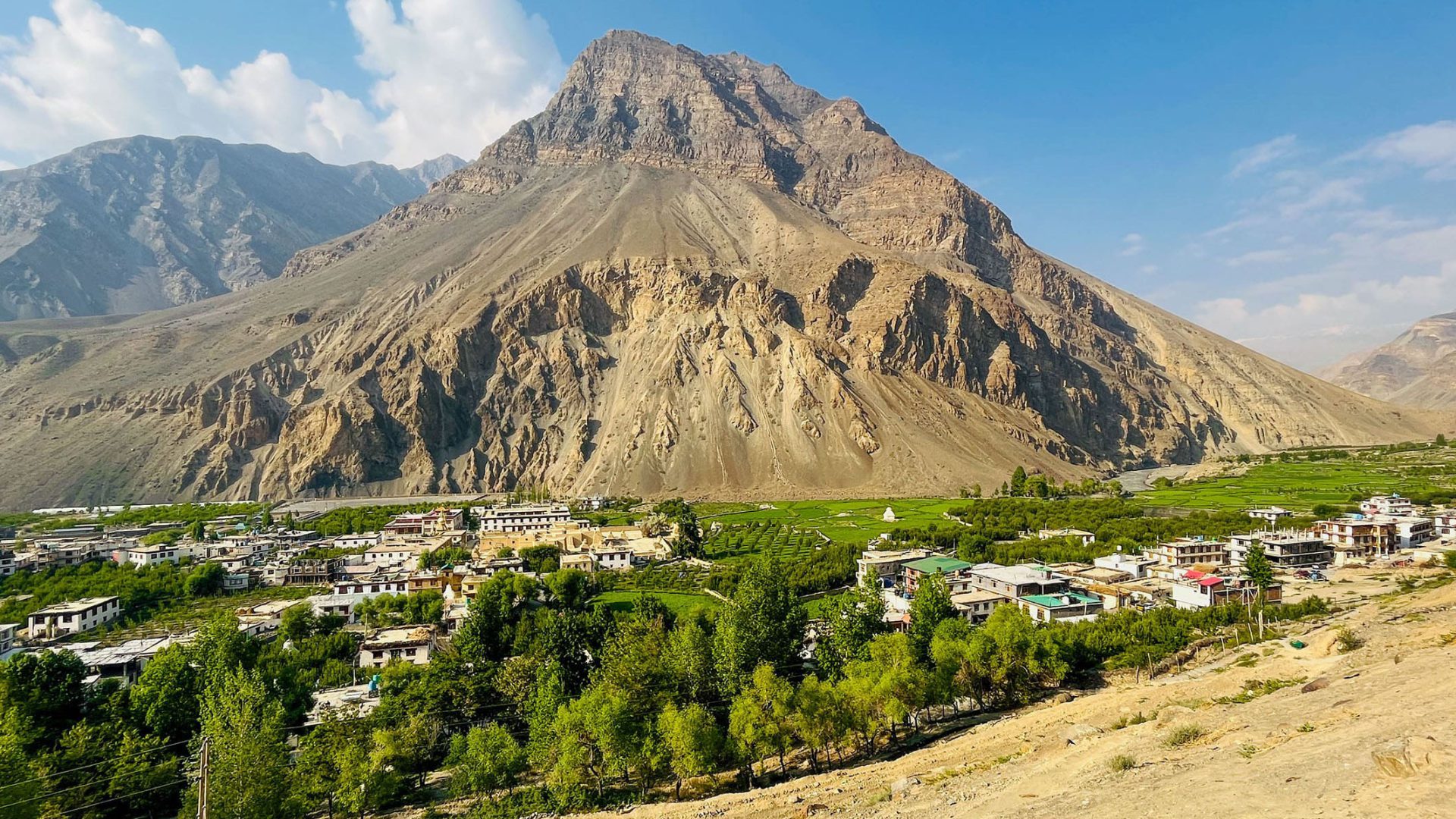
Tabo Monastery is a Buddhist monastery located in the Spiti Valley of Himachal Pradesh, India. It is one of the oldest monasteries in the world and is believed to have been founded by Ringchen Zangpo, an eminent scholar from western Tibet, in 996 AD. The monastery has been declared as a World Heritage Site by UNESCO and is known for its spectacular murals, stucco sculptures and ancient manuscripts.
The Tabo Monastery complex consists of nine temples situated around a central courtyard with an open mandapa or porch at its centre. Inside each temple are statues of various Buddhas as well as paintings depicting Buddhist mythology that have been beautifully preserved over time despite centuries of weathering. There is also a large collection of ancient manuscripts and scriptures written in both Sanskrit and Tibetan.
The monastery has been home to some of the most renowned Buddhist scholars, including Naropa, Atisha Dipankara Shrijnana and Rinchen Zangpo. The Tabo Monastery was once an important centre for religious learning and spiritual practice for monks from all over Tibet. It has also served as a major pilgrimage site since the 11th century for Buddhists from India, Nepal and Tibet.
Tabo Monastery has stood for a millennium and over that time has seen many events, such as attacks from Ladakhi Kings and an earthquake in 1975. Following the quake, it was reconstructed with a new Du-Kang or Assembly Hall being added in 1983. Currently, 50 monks reside there.
The exterior walls of the complex are adorned with intricate frescoes depicting various episodes from Buddha’s life as well as scenes from Indian mythology such as Panchatantra stories. Inside each temple there are murals painted by master artists from Kashmir, Ladakh and the Spiti Valley. The monastery also houses a collection of ancient manuscripts written in both Sanskrit and Tibetan.
The Tabo Monastery is an important cultural centre for the local people of Spiti Valley as it has been preserved over centuries despite various wars, invasions and natural disasters. It provides spiritual solace to its visitors with its serene atmosphere and beautiful murals that have remained unchanged since they were painted centuries ago.
Best Time to Visit Tabo Monastery
The monastery follows the same season as the village: late May to early October is the straightforward window, while the Shimla road stays open through the year for anyone willing to travel in the cold. Full detail on seasons, roads and what is open when is in our Tabo travel guide.
If you want the monastery at its most alive, time the visit with Losar (Tibetan New Year) or Buddha Jayanti, when the complex fills up for the celebrations.
How to Reach Tabo Monastery
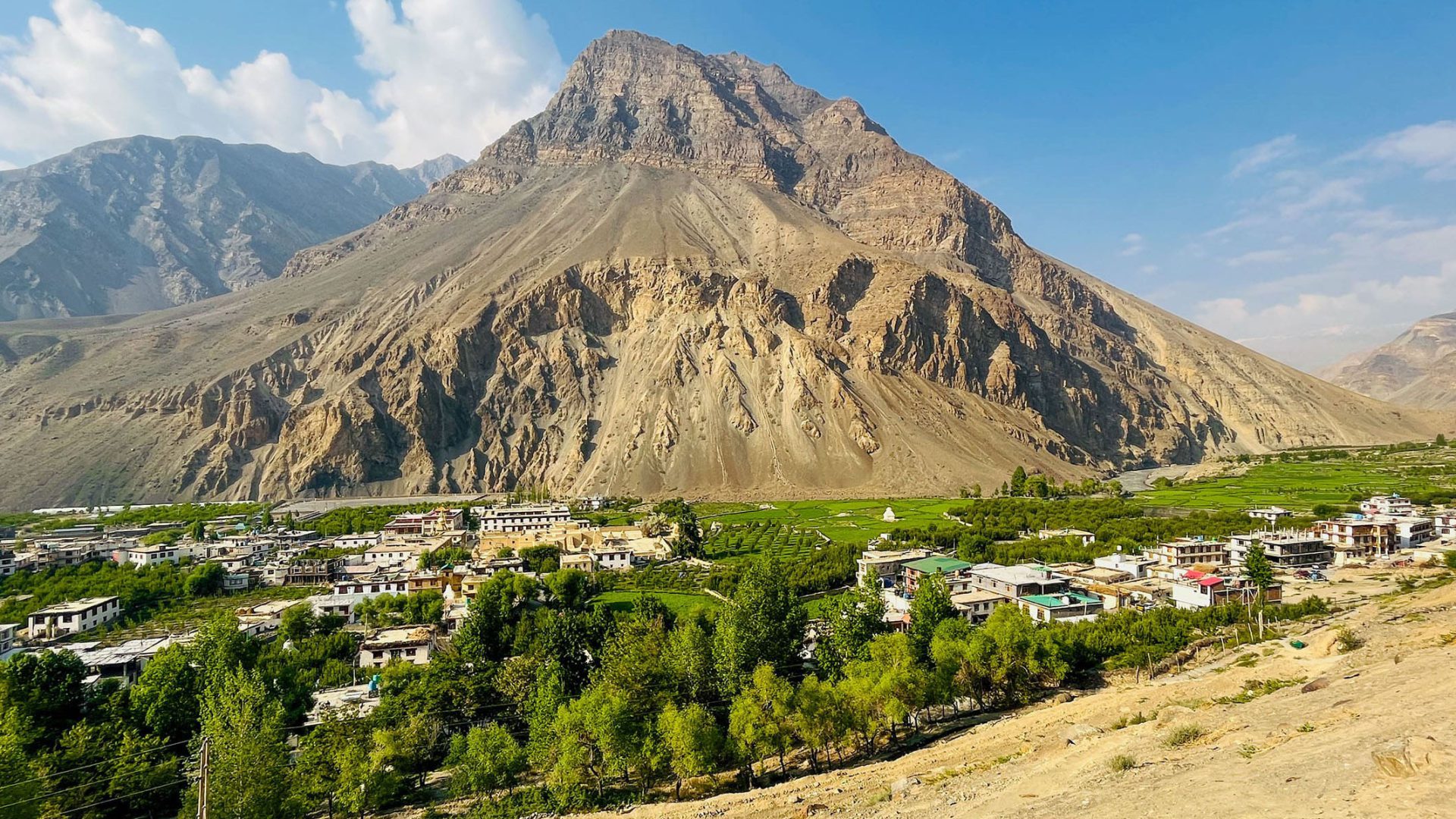
The monastery sits in Tabo village, so getting there is getting to Tabo. Two roads reach it: the easier one through Shimla, open all year, and the harder one over Kunzum Pass from Manali, open from late May to mid-October. The monastery is a short walk once you are in the village.
Airport, railhead, bus and taxi detail, plus both road routes stage by stage, are in our Tabo travel guide.
How to Explore the Monasteries
Exploring the Monasteries is an activity that can be both physically and mentally rewarding as it offers an opportunity to experience a different environment, learn about history and culture, and appreciate the beauty of architecture.
The first step in exploring a monastery is to get familiar with its layout. It’s important to know where all the important areas are located such as chapels, libraries, courtyards, gardens, and so forth. This will make it easier to navigate around during your visit.
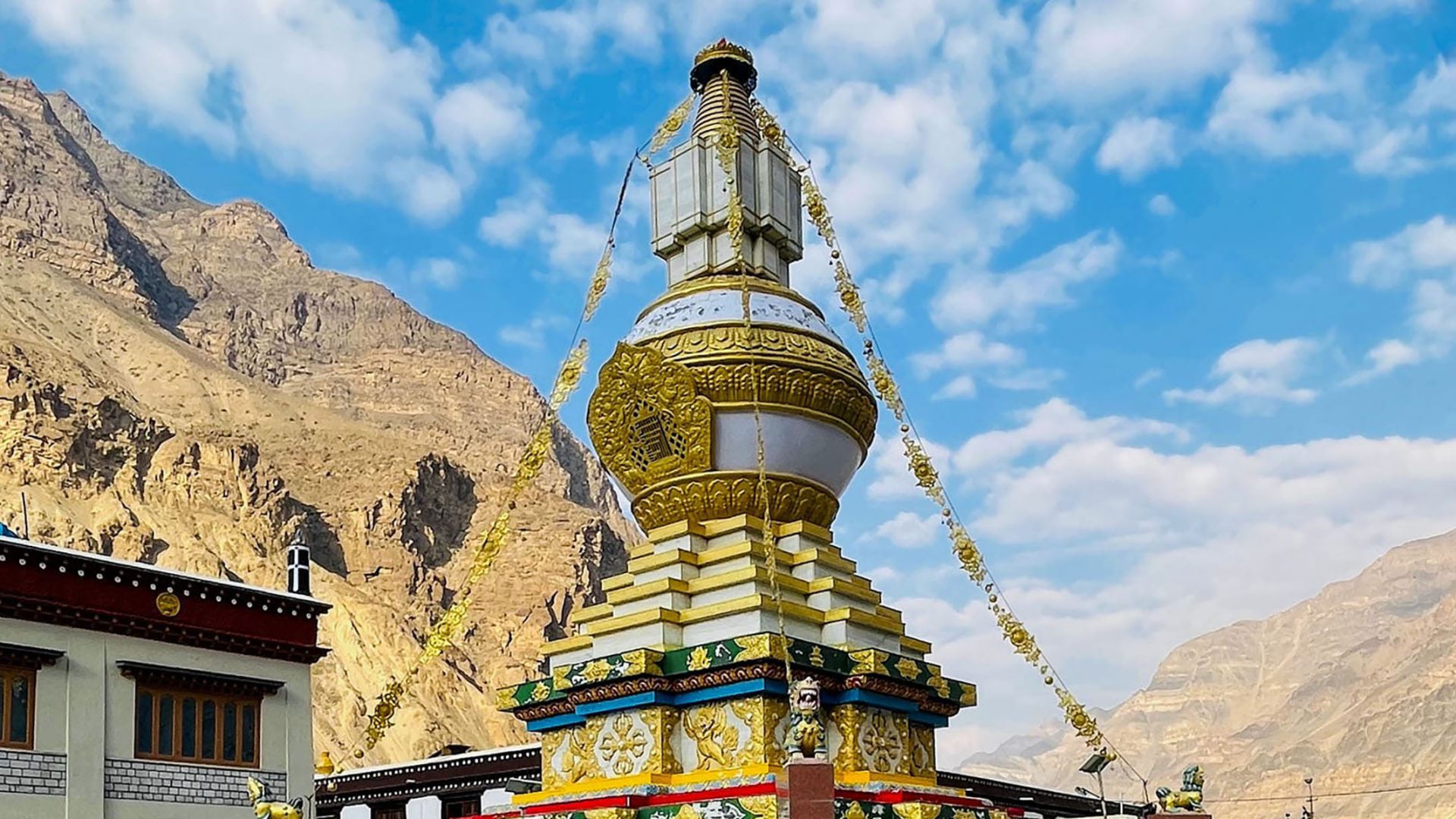
Once you have a general idea of where everything is located you can then begin to explore each area more thoroughly. Take time to observe any artwork or sculptures that may be present within the monastery walls as well as any other details like doors or windows.
The next step is to learn about the history of the monastery and its inhabitants. Many monasteries have fascinating stories and legends associated with them so it’s important to take time to learn these during your visit. You can often find information on the walls or in books located within the monastery itself as well as through research online prior to your visit.
Finally, you should also try to appreciate all of the beauty that a monastery has to offer by taking some time for reflection and contemplation while visiting. Spend some time walking around outside admiring nature or sit inside one of the chapels or libraries quietly reading or meditating if that is something you are comfortable with doing. This will help create an atmosphere conducive to learning more about the history and culture of the monastery as well as to appreciate its beauty.
Exploring a monastery can be an incredibly rewarding experience that helps one learn more about history, culture, and architecture while also providing time for reflection and contemplation. With some prior research and careful observation during your visit you will be able to get the most out of your exploration.
Highlights of Tabo Monastery
This sacred site can be an unforgettable experience as it offers many fascinating sights such as the main prayer hall, which contains some of the oldest surviving wall paintings from medieval times; the Stupa Hall, containing various Stupas that contain important religious relics; and other shrines dedicated to various deities.
Spanning an area of 6300 sq. ft., the Tabo Monastery is home to nine temples, four Stupas, Gompas and numerous cave shrines. It showcases a unique blend of Tibetan and Indian culture through its thankas, murals, statues and paintings depicting the history of the Himalayan region. Not only that, but these caves are also used by monks as dwellings during winters and for meditation in modern times.
Additionally, visitors will discover numerous small caves where monks used to meditate and a large library that contains manuscripts, scriptures and other ancient texts. The experience of exploring the monastery is further enhanced by its spectacular setting in the Himalayas, with views of snow-covered peaks, deep valleys and lush greenery.
Visitors can also take part in various religious ceremonies such as puja (worship rituals) or festivals associated with important Buddhist holidays. The monastery is open all year round but it’s best to visit during summer when the weather is pleasant.
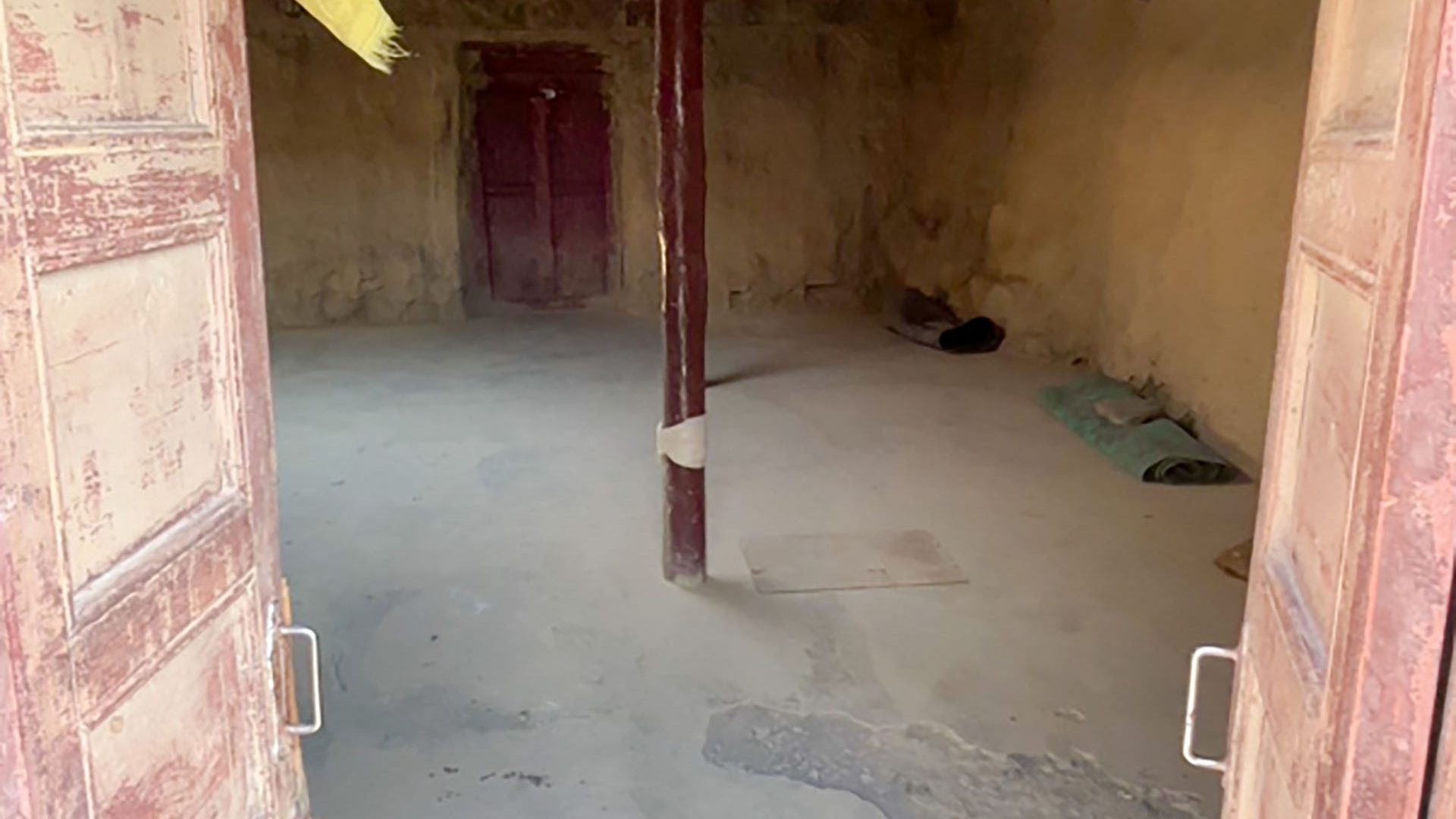
Visitors should respect local customs while exploring Tabo Monastery – this includes not taking photographs inside the prayer hall or wearing revealing clothing. It’s also advisable to hire a guide who can provide more information about the history and significance of the monastery.
All the Sacred Temples of Tabo Monastery
The Tabo Monastery consists of nine temples, each with its own unique history and architecture.
Main Temple: The main temple at Tabo Monastery is dedicated to Padmasambhava, also known as Guru Rinpoche or Second Buddha. This two-storeyed structure has a large central chamber surrounded by four smaller ones on either side. Inside are several statues of Padmasambhava along with murals depicting his life story and teachings. On the walls outside are carvings of the Buddha, Bodhisattvas and guardian deities.
Second temple: The second temple is dedicated to Avalokiteshvara (Chenrezig). This two-storeyed temple has a large central chamber surrounded by four smaller ones on either side. Inside are various statues of Chenrezig along with murals depicting his life story and teachings. The walls outside have carvings of Padmasambhava, Sakyamuni Buddha and other Buddhist figures.
Third temple: The third temple is dedicated to Manjushri (Jampelyang), the god of wisdom. This two-storeyed structure has a large central chamber surrounded by four smaller ones on either side. Inside are various statues of Manjushri along with murals depicting his life story and teachings. The walls outside have carvings of other Buddhist figures such as Padmasambhava, Sakyamuni Buddha and Chenrezig.
Fourth temple: The fourth temple is dedicated to Vajrapani (Dorje Dragden), the god of power. This two-storeyed structure has a large central chamber surrounded by four smaller ones on either side. Inside are various statues of Vajrapani along with murals depicting his life story and teachings. The walls outside have carvings of other Buddhist figures such as Padmasambhava, Sakyamuni Buddha and Chenrezig.
Fifth temple: The fifth temple is dedicated to Maitreya (Jampa), the future Buddha. This two-storeyed structure has a large central chamber surrounded by four smaller ones on either side. Inside are various statues of Maitreya along with murals depicting his life story and teachings. The walls outside have carvings of other Buddhist figures such as Padmasambhava, Sakyamuni Buddha and Chenrezig.
Sixth temple: The sixth temple is dedicated to Tara (Dolma), the goddess of mercy and compassion. This two-storeyed structure has a large central chamber surrounded by four smaller ones on either side. Inside are various statues of Tara along with murals depicting her life story and teachings. The walls outside have carvings of other Buddhist figures such as Padmasambhava, Sakyamuni Buddha and Chenrezig.
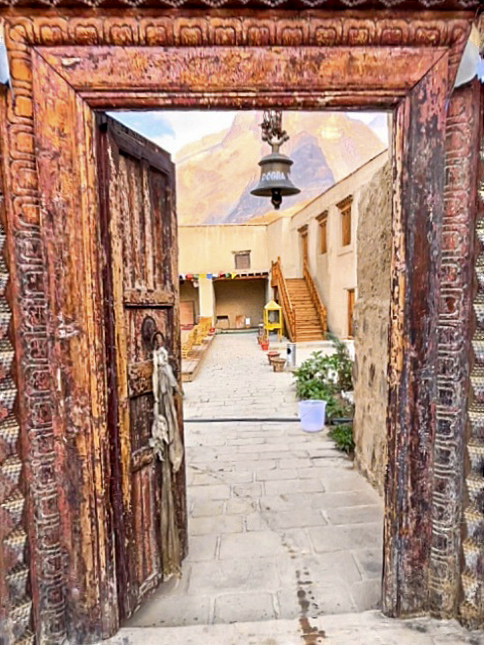
Seventh temple: The seventh temple is dedicated to Marichi (Wangchuk), the goddess of knowledge and learning. This two-storeyed structure has a large central chamber surrounded by four smaller ones on either side. Inside are various statues of Marichi along with murals depicting her life story and teachings. The walls outside have carvings of other Buddhist figures such as Padmasambhava, Sakyamuni Buddha and Chenrezig.
Eighth temple: The eighth temple is dedicated to Amoghasiddhi (Dorje Chang), the god of accomplishment. This two-storeyed structure has a large central chamber surrounded by four smaller ones on either side. Inside are various statues of Amoghasiddhi along with murals depicting his life story and teachings. The walls outside have carvings of other Buddhist figures such as Padmasambhava, Sakyamuni Buddha and Chenrezig.
Ninth temple: The ninth temple is dedicated to Vajrasattva (Dorje Sempa), the primordial buddha. This two-storeyed structure has a large central chamber surrounded by four smaller ones on either side. Inside are various statues of Vajrasattva along with murals depicting his life story and teachings. The walls outside have carvings of other Buddhist figures such as Padmasambhava, Sakyamuni Buddha and Chenrezig.
The Tabo Monastery is a living testament to the rich cultural and spiritual heritage of India. Its nine temples are an important part of Buddhist history, and visitors can explore them to gain insight into this ancient faith.
FAQs About Tabo Monastery
Why is Tabo Monastery famous?
Tabo Monastery is one of the oldest and most important Buddhist monasteries in India, founded in 996 CE. It is located on the banks of Spiti River in Himachal Pradesh and is known for its ancient wall paintings, sculptures and manuscripts. It was included as a part of UNESCO’s World Heritage Site ‘Fossil Mountain’ along with Alchi Monastery in Ladakh. Tabo Monastery has been an important centre for Vajrayana Buddhism since its foundation over 1000 years ago, making it one of India’s premier pilgrimage sites for Buddhists from all around the world.
Tabo Monastery is located in which state?
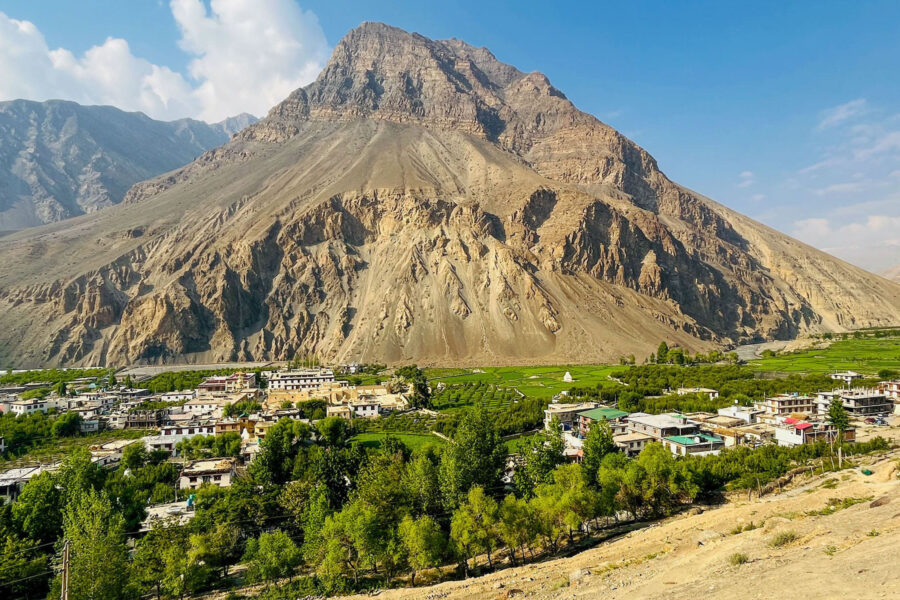
The Tabo Monastery is located in Tabo village of Spiti Valley,Himachal Pradesh, India.
What is Tabo Monastery main festival?
The main festival celebrated at Tabo Monastery is the Losar Festival, which marks the Tibetan New Year and falls on either February or March each year. The festivities last for several days and involve traditional rituals such as prayers, offerings to deities, mask dances, music performances and feasting.
Another major festival is in September – October 1983, the 14th Dalai Lama visited the monastery and initiated the Kalachakra Festival – a celebration of peace and joy held every three years.
What are the timings of the Tabo Monastery?
The monastery is open daily from 5:00 AM to 5:30 PM, including on public holidays and national events. Morning prayer begins at 6:00 AM while classes start at 8:00 AM.
What is the cost of visiting Tabo Monastery?
The cost of visiting Tabo Monastery is free, although donations are welcome.
Do I need an inner line permit to visit Tabo?
No, an inner line permit is not required to visit Tabo. But Foreign nationals will require Inner Line Permits, which can be easily obtained in Reckong Peo or Kaza.
Can I stay in Tabo Monastery?
For those travelling on a budget, staying overnight at the Tabo Monastery is an economical option. For just Rs. 500 per night, visitors can rent a double bedroom with an attached bathroom (meals not included). While the stay may be basic, it offers guests the opportunity to observe monk life and engage in conversations with some of them. Homestays and guest houses in the village are covered in our Tabo travel guide.


Leave a Reply