Best Winter Jackets for Himalayan Treks on a Budget (2026)
 Aditya Bansal
·7 min read
·Last reviewed
This guide contains affiliate links - we may earn a small commission if you buy through them, at no extra cost to you. Learn more
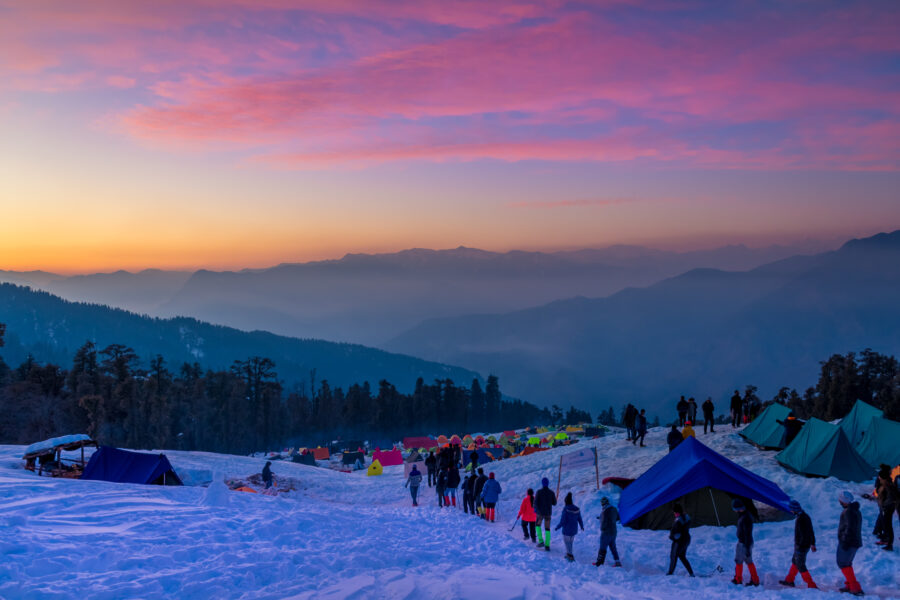
The best winter jacket for a Himalayan trek is not one jacket at all. On winter treks like Kedarkantha, Brahmatal and Chopta-Chandrashila, temperatures swing from a warm, sweaty climb at noon to well below freezing at camp, and the only thing that handles that range is layering: a thermal next to the skin, a fleece over it, and an insulated puffer on top.
This guide explains how to build those three layers on a budget and picks eight pieces from Wildcraft, Tripole, GOKYO, Columbia and Lux that do each job well, most of them for well under ₹5,000.
Quick picks
| Pick | Best for |
|---|---|
| Lux Cottswool Thermal Set | Best budget base layer |
| Lux Cozi HEATEK Thermal Set | Best warmer thermal upgrade |
| Columbia Fast Trek II Fleece Jacket | Best fleece mid layer |
| Wildcraft Polar Fleece Jacket | Best value fleece |
| Tripole Fleece Jacket | Cheapest proper hiking fleece |
| Wildcraft Sierra Packable Husky Puffer Jacket | Best packable outer layer |
| Tripole Boreal Winter and Snow Jacket | Best hooded jacket for snow |
| GOKYO K2 Survivor Down Jacket | Worth stretching for: high-altitude winter |
How we chose
We worked from Amazon India’s bestseller lists for men’s hiking down jackets, fleece jackets and thermal sets, kept only in-stock pieces from established outdoor or innerwear brands, and dropped anything that was a fashion jacket with a winter label. We grouped the picks by layer, because that is how you should buy them.
We have not worn these specific pieces on a trek; the choices are based on their listed construction and what each layer needs to do above 3,000 m. Check current prices and sizes on Amazon before buying.
How to layer for a winter trek
Layer 1: thermals against the skin
A thermal top and bottom trap a thin layer of warm air and move sweat away from your skin. You will sleep in them, so pack a dry set that you only wear at camp.
Layer 2: a fleece for warmth while you move
Fleece is warm, breathes well and dries fast. On a cold morning climb it is often the only warm layer you need, because you generate heat walking uphill.
Layer 3: a puffer for camp and summits
The puffer goes on the moment you stop: at rest breaks, at camp in the evening and on a summit push before sunrise. It should be warm for its weight and pack down small. A separate rain shell or windcheater over the top handles snowfall and wind.
Base layers: the best thermals
Lux Cottswool Thermal Set
Best for: Best budget base layer
A top-and-bottom cotton-blend thermal set from one of India’s most bought innerwear brands. It is the cheapest way to add real warmth, and you will wear it every night at camp.
- Top and bottom set
- Cotton-blend thermal fabric
Worth knowing: Cotton holds sweat – wear it at camp and while sleeping rather than on a hard uphill climb.
Lux Cozi HEATEK Thermal Set
Best for: Best warmer thermal upgrade
Lux’s HEATEK range is the step up from the basic Cottswool set, sold as a round-neck full-sleeve top with matching bottoms for colder nights.
- Round-neck, full-sleeve top
- Matching thermal bottoms
Mid layers: the best fleece jackets
Columbia Fast Trek II Fleece Jacket
Best for: Best fleece mid layer
Columbia’s Fast Trek II is a full-zip fleece rated for temperatures down to around 10°C on its own, and it is the classic mid layer: warm, breathable and quick to dry, worn under a puffer when it gets colder.
- Full-zip fleece
- Rated to about 10°C as a standalone layer
- 100% polyester
Wildcraft Polar Fleece Jacket
Best for: Best value fleece
A standard-length polar fleece from Wildcraft that does the same mid-layer job as the Columbia for less money.
- Polar fleece
- Standard length
Tripole Fleece Jacket
Best for: Cheapest proper hiking fleece
Tripole is an Indian trekking-gear brand, and this fleece is sold specifically for hiking and daily use – a sensible pick if budget is tight.
- Hiking fleece
- From an Indian trekking-gear brand
Outer layers: the best puffer and down jackets
Wildcraft Sierra Packable Husky Puffer Jacket
Best for: Best packable outer layer
A packable puffer that squeezes small enough for a daypack, so you can carry it all day and pull it on at rest stops and at camp.
- Packable puffer
- Windproof, water-repellent shell
Tripole Boreal Winter and Snow Jacket
Best for: Best hooded jacket for snow
A hooded, insulated winter jacket with a water-repellent shell, built for snow days rather than city winters.
- Insulated and hooded
- Water-repellent outer
GOKYO K2 Survivor Down Jacket
Best for: Worth stretching for: high-altitude winter
The one pick that goes slightly over ₹5,000, and the right call for winter treks that camp above 3,500 m. GOKYO is an Indian high-altitude brand, and the K2 Survivor is a down jacket rated for extreme cold.
- Down insulation
- Listed for extreme cold down to about -20°C
Worth knowing: Overkill for a January Triund; ideal for Kedarkantha or Brahmatal summit nights.
Common winter-trek layering mistakes
Wearing everything at once on the climb
Starting a climb in your puffer means you sweat into it within twenty minutes, and wet insulation stops working. Start slightly cold, strip to your thermal and fleece, and put the puffer back on at the top.
Relying on cotton
Cotton thermals are fine for sleeping, but cotton t-shirts and jeans hold water and chill you fast. Keep cotton for camp and use synthetic or wool layers for walking.
Forgetting hands, head and feet
You lose a surprising amount of warmth through your head and hands. A warm beanie, waterproof gloves and two pairs of woollen socks cost little and make more difference than a pricier jacket.
Plan the trip it is for
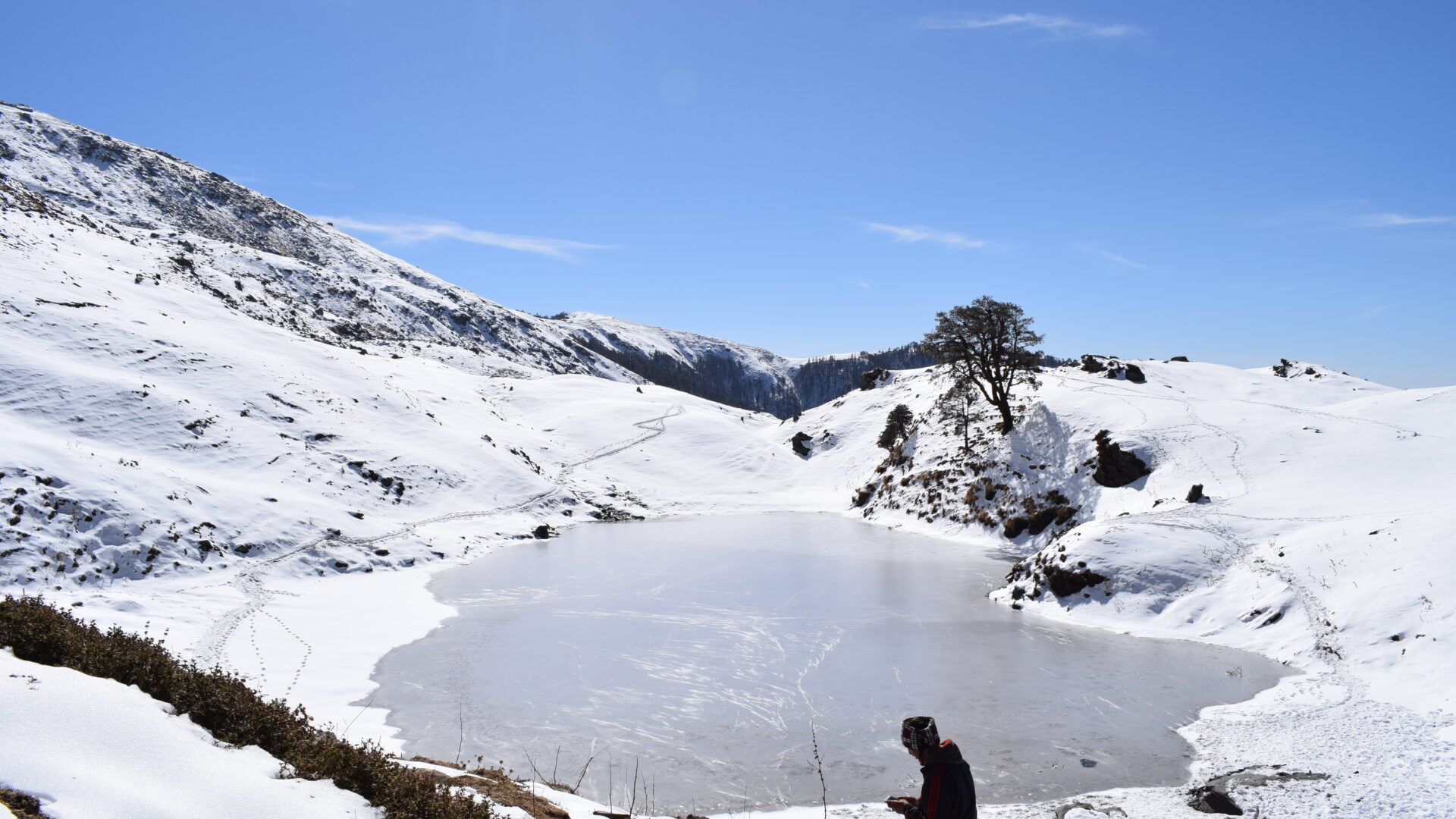
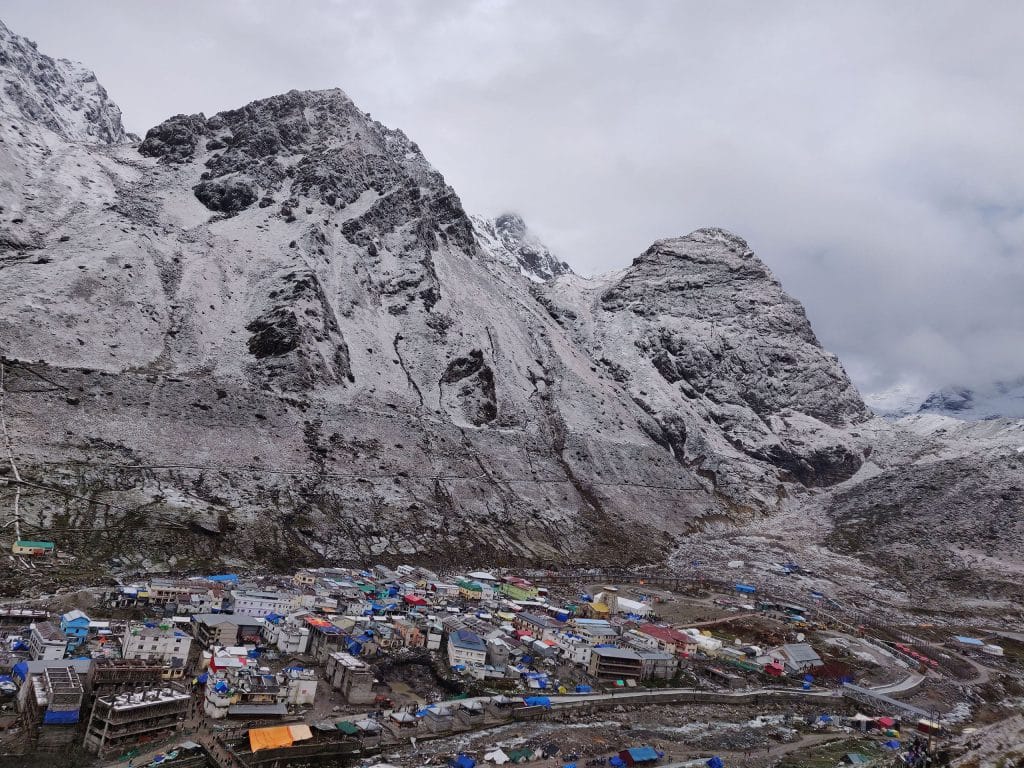
These layers are built for the classic winter treks: Kedarkantha, Brahmatal and Chopta-Tungnath-Chandrashila. Our guide to Uttarakhand winter treks compares them, and the Brahmatal 5-day itinerary lays out each day’s altitude and camp so you know exactly when you will need the warm layers.
Frequently asked questions
What jacket do I need for a winter trek in the Himalayas?
Not one jacket but three layers: a thermal base layer, a fleece mid layer and an insulated puffer or down jacket for camp and summits. Add a windproof or waterproof shell if snowfall is likely.
Is a down jacket necessary for Kedarkantha or Brahmatal?
For winter departures, a warm insulated jacket is essential because night temperatures at camp fall well below freezing. A synthetic puffer works for most trekkers; down is warmer for its weight and worth it if you feel the cold or camp high.
Down or synthetic insulation for trekking?
Down is warmer and packs smaller, but loses warmth when wet. Synthetic insulation keeps working when damp and costs less. For snowy winter treks on a budget, a synthetic puffer plus a rain shell is a sensible combination.
How many layers should I wear on a winter trek?
While walking, usually two: a thermal and a fleece. At rest stops, at camp and on summit mornings, three or four: add the puffer and, in wind or snow, a shell on top.
Can I rent winter jackets for a Himalayan trek?
Yes. Many trek base villages and operators rent jackets and sleeping bags, which is worth considering for a one-off trek. If you plan to trek every winter, owning a fleece and a puffer quickly works out cheaper.
Prices and sizes change quickly in winter, so check the current listing before you buy, and order early – popular sizes sell out before peak trek season in December and January.
Plan it with HikiePsyche
Ready-made plans for this trip
Everything in this guide, already worked out: routes, stays, timings and costs. You travel independently - we have done the research.
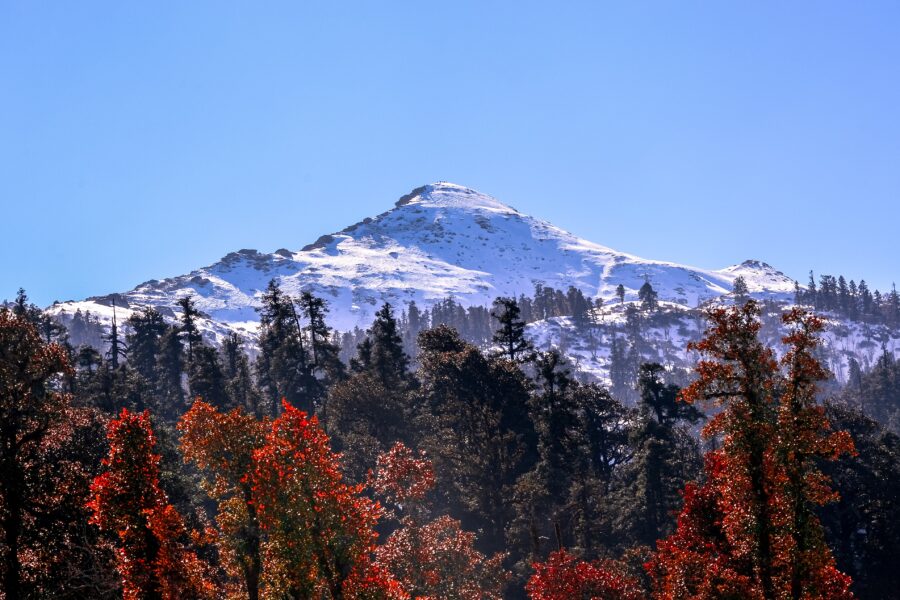
Kedarkantha Trek – 5-Day Itinerary

Brahmatal Trek – 5-Day Itinerary
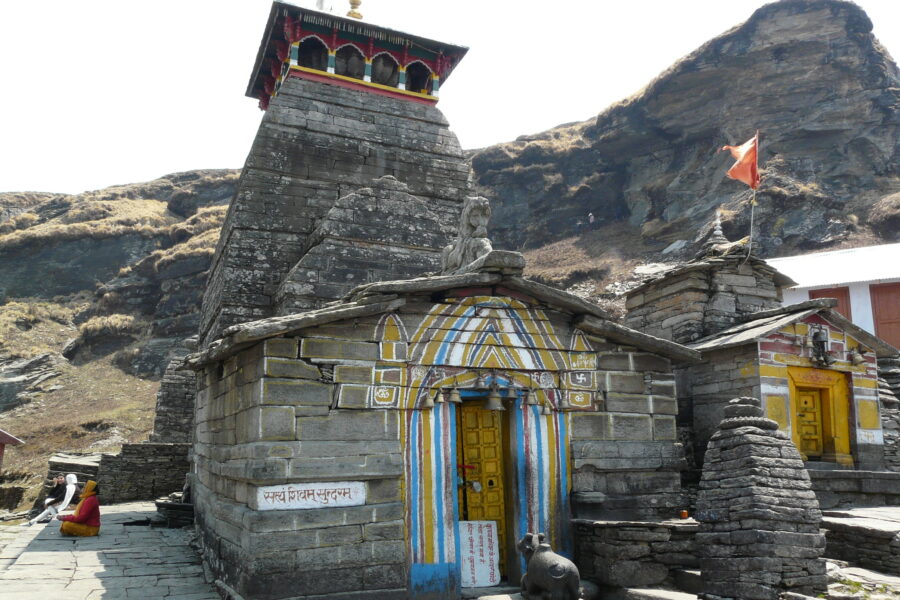
Chopta Tungnath Chandrashila Trek – 2-Day Itinerary
Know the place
Explore the places in this guide
 Spring
Kedarkantha Trek
 Spring
Brahmatal Trek
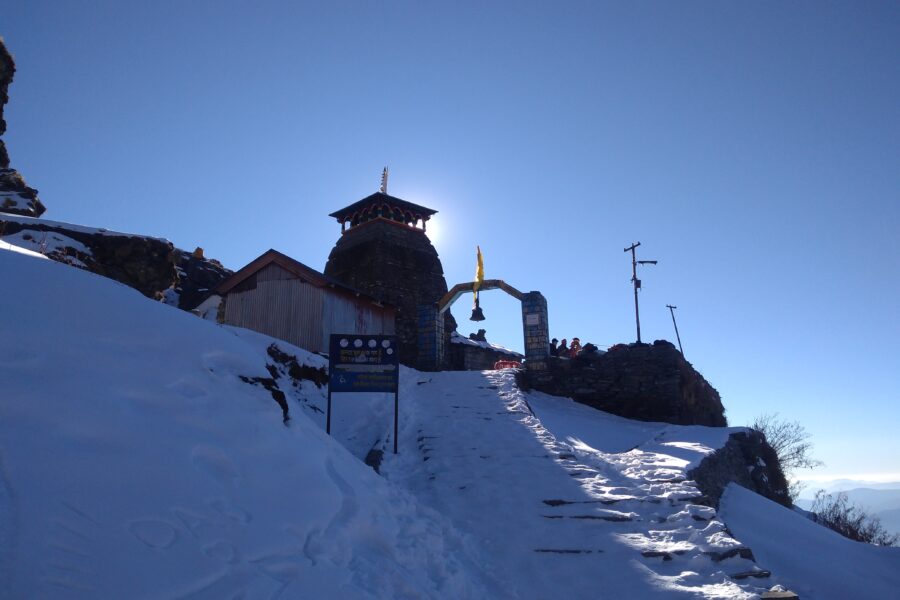 Snow season
Chopta Tungnath Chandrashila Trek
Photo: Arijit95jitu, CC BY-SA 4.0, Wikimedia Commons