Spiti and Ladakh Road Trip Essentials: What to Pack (2026)
 Aditya Bansal
·7 min read
·Last reviewed
This guide contains affiliate links - we may earn a small commission if you buy through them, at no extra cost to you. Learn more
The right Spiti and Ladakh road trip essentials are less about comfort and more about self-reliance. Once you leave Manali or Shimla, fuel stations, mechanics and mobile signal thin out fast, the air at 4,000 m and above is thin and dry, and the sun is far harsher than it feels. A few small, inexpensive items solve most of the problems travellers actually run into on these routes.
This guide covers the kit worth carrying for the car, for your health at altitude and for the cold, with budget picks for each.
Quick picks
| Pick | Best for |
|---|---|
| Qubo Digital Tyre Inflator | Best cordless tyre inflator |
| Qubo Tyre Inflator MAX | Best inflator that also runs off the car |
| Ambrane PowerMini 20 Power Bank | Best power bank |
| Vincent Chase Polarised Sunglasses | Best sunglasses for high-altitude glare |
| Dr Trust Signature Pulse Oximeter | Best for monitoring altitude |
| Lux Cottswool Thermal Set | Best budget thermals |
| Ef-Chlor Water Purification Tablets | Best backup for safe water |
How we chose
We drew on Amazon India’s bestseller lists and on what goes wrong most often on Himalayan road trips – slow punctures, flat phones, altitude headaches, cold nights and sunburn – and kept only in-stock products from established brands.
We have not road-tested these specific items; picks are based on their listed specifications. Check current prices on Amazon before you buy.
For the car
Fuel stops are few and far apart on these routes, so fill up at every opportunity, carry your vehicle’s spare-tyre tools and know how to use them. Beyond that, an inflator is the single most useful item to carry.
Qubo Digital Tyre Inflator
Best for: Best cordless tyre inflator
A battery-powered digital tyre inflator from Qubo, part of the Hero Group. Rough roads and big temperature swings change tyre pressure fast, and being able to top up a slow puncture yourself can save a day’s wait for help.
- 5,000 mAh battery
- Up to 150 PSI
- Digital display with auto cut-off
- Type-C charging
Qubo Tyre Inflator MAX
Best for: Best inflator that also runs off the car
The MAX version adds a 12V car-socket input to the battery, so it keeps working even when the battery is flat – useful on a long trip.
- 5,200 mAh battery plus 12V car port
- Up to 150 PSI
- Auto cut-off
For power and navigation
Mobile coverage is patchy once you leave the main towns, so download offline maps before you set off and keep a charged power bank to hand.
Ambrane PowerMini 20 Power Bank
Best for: Best power bank
A 20,000 mAh power bank with 35W fast charging and a built-in Type-C cable. Cold drains phone batteries quickly, and homestays in remote villages may have power only for a few hours in the evening.
- 20,000 mAh capacity
- 35W fast charging
- Built-in Type-C cable
- Type-C PD and USB outputs
Worth knowing: Keep it inside your jacket or sleeping bag at night – batteries lose charge fast in the cold.
For sun and altitude
Vincent Chase Polarised Sunglasses
Best for: Best sunglasses for high-altitude glare
UV is far stronger at altitude, and glare off snow, water and pale rock causes headaches and eye strain on long drives. Polarised lenses with UV protection from Lenskart’s Vincent Chase brand are an inexpensive fix.
- Polarised lenses
- UV protection
Dr Trust Signature Pulse Oximeter
Best for: Best for monitoring altitude
A fingertip pulse oximeter shows your blood-oxygen level and heart rate in seconds. It is a simple way to see how you are adjusting on the climb from Manali or Keylong to the high plateaus, and to notice a downward trend early.
- Blood-oxygen (SpO2) and heart-rate readings
- Audio-visual alarm
Worth knowing: An oximeter is a monitoring aid, not a diagnosis. Symptoms matter more than a number – if you feel unwell, descend and seek medical advice.
For cold nights and safe water
Lux Cottswool Thermal Set
Best for: Best budget thermals
Even in June, nights in Kaza, Pangong and Hanle fall close to freezing. A thermal top and bottom is the cheapest warmth you can pack, and it doubles as sleepwear in unheated homestays.
- Top and bottom set
- Cotton-blend thermal fabric
Ef-Chlor Water Purification Tablets
Best for: Best backup for safe water
Bottled water is not available everywhere, and plastic is increasingly discouraged in Spiti and Ladakh. Purification tablets let you refill from taps and streams safely.
- 8.5 mg tablets
- For travel and emergency use
Road trip tips for Spiti and Ladakh
Acclimatise on the way up
Gain height gradually. Spending a night at an intermediate stop such as Kalpa, Keylong or Jispa before the highest sections gives your body time to adjust, and drinking plenty of water helps. Headache, nausea and breathlessness at rest are warning signs – stop climbing and descend if they get worse.
Carry cash
ATMs are few and often empty outside Leh and Kaza, and card or UPI payments fail when the network is down. Carry enough cash for fuel, food and homestays.
Check roads before each day
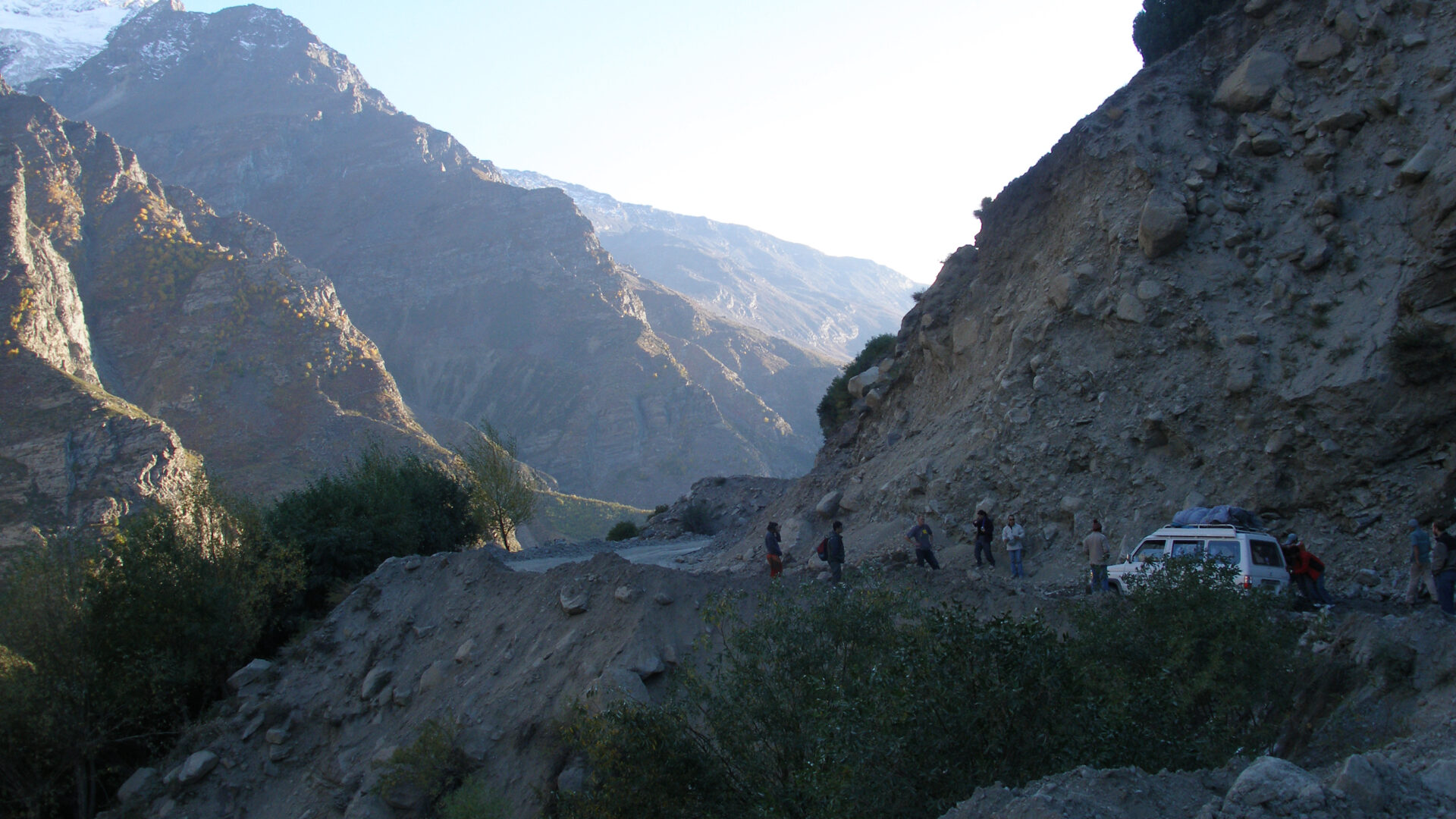
Landslides, snow and river crossings close roads without warning, especially early and late in the season. Ask locally each morning, start early, and leave a buffer day in your plan.
Pack layers, not one heavy jacket
Days can be warm and nights freezing. Thermals, a fleece and a puffer give you more control than a single heavy coat – our guide to layering for the Himalaya explains how.
Plan the trip it is for
Our Spiti Valley 7-day itinerary and Ladakh 7-day itinerary lay out each day’s drive, altitude and stay, including where to acclimatise. For the route itself, the Lahaul-Spiti circuit route map and Ladakh circuit route map mark fuel, stays and viewpoints. Planning a stop in Nubra Valley or Leh? Start with those destination guides, and see things to carry in the mountains for the full packing list.
Frequently asked questions
What should I carry for a Spiti or Ladakh road trip?
Beyond clothes and documents: a tyre inflator and spare-tyre tools, a power bank, offline maps, polarised sunglasses and sunscreen, a pulse oximeter, thermals and warm layers, water purification tablets, cash and a basic first-aid kit.
Is a tyre inflator necessary for Spiti and Ladakh?
It is not mandatory, but it is one of the most useful things you can carry. Slow punctures are common on rough mountain roads, mechanics are far apart, and a portable inflator lets you keep moving to the next town.
Why carry a pulse oximeter at high altitude?
It shows your blood-oxygen level, which drops at altitude, so you can see how you are adjusting. Treat it as a guide alongside how you feel – symptoms like severe headache, vomiting or breathlessness at rest need attention whatever the reading.
Do mobile phones work in Spiti and Ladakh?
In the main towns, usually yes, but coverage drops sharply between them. Download offline maps, tell someone your daily route, and do not rely on UPI or card payments working everywhere.
How cold does it get on a Ladakh road trip in summer?
Days can be warm, but nights at high places such as Pangong, Hanle and the passes can drop close to or below freezing even in June and July. Pack thermals and a warm jacket whatever the month.
Order these a week or two before you leave so you can charge and test everything at home – a power bank or inflator that arrives the day before departure is one more thing to go wrong.
Plan it with HikiePsyche
Ready-made plans for this trip
Everything in this guide, already worked out: routes, stays, timings and costs. You travel independently - we have done the research.

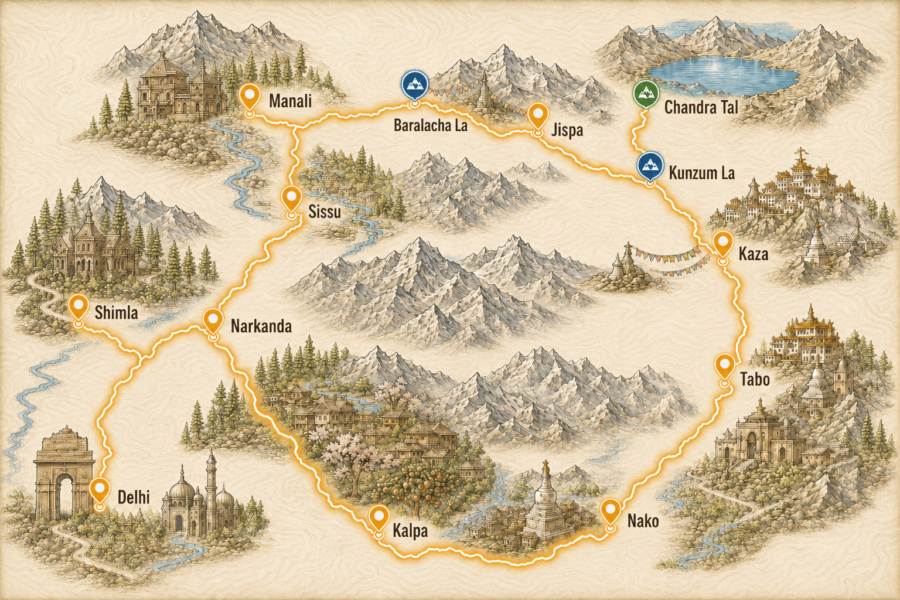
Lahaul-Spiti Circuit Route Map
Know the place
Explore the places in this guide
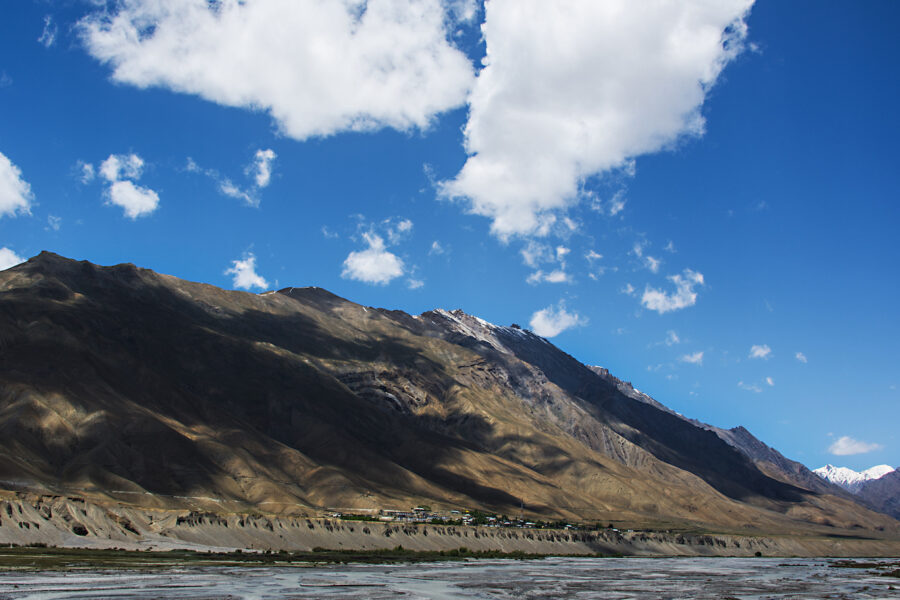 Autumn
Spiti Valley
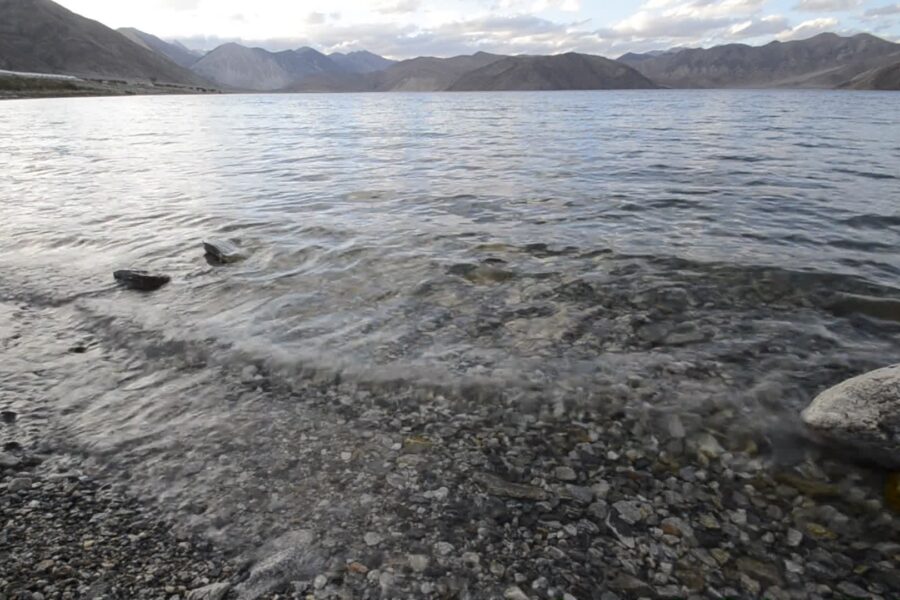 Autumn
Photo: Vyacheslav Argenberg, CC BY 4.0, Wikimedia Commons