Best Water Bottles and Filter Bottles for Travel in India (2026)
 Aditya Bansal
·5 min read
·Last reviewed
This guide contains affiliate links - we may earn a small commission if you buy through them, at no extra cost to you. Learn more
Choosing the best water bottle for travel in India comes down to two questions: will the water be safe, and will you need it hot? A filter bottle lets you refill from taps and streams instead of buying plastic bottles, which matters more every year in places like Spiti and Ladakh that are fighting plastic waste. An insulated flask gives you hot water on a cold morning at altitude, which is half of staying warm.
This guide covers the three kinds of bottle worth owning and when to use each, with picks from established brands.
Quick picks
| Pick | Best for |
|---|---|
| LifeStraw Go 2-Stage Filter Bottle | Best filter bottle |
| Borosil Hydra Trek 700 ml Insulated Bottle | Best insulated bottle |
| Borosil Hydra Trek 500 ml Insulated Bottle | Best compact flask |
| TEGO Pacer Collapsible Soft Flask | Best for saving space |
| Ef-Chlor Water Purification Tablets | Best backup treatment |
| Rynox Cramster Quench Hydration Bladder (2L) | Best for drinking while walking |
How we chose
We drew on Amazon India’s bestseller lists for travel bottles and hydration, kept only in-stock products from established brands, and grouped them by job: making water safe, keeping it hot or cold, and saving space.
We have not tested these specific bottles; picks are based on their listed specifications. Check current prices on Amazon before buying.
Make water safe: filter bottles and tablets
In most of India, tap and stream water should be treated before drinking. A filter bottle handles bacteria and parasites; tablets add protection against viruses.
LifeStraw Go 2-Stage Filter Bottle
Best for: Best filter bottle
A bottle with a two-stage filter built into the straw: the membrane removes bacteria, parasites and microplastics, and a carbon stage improves taste. You fill it from a tap or stream and drink straight through the filter.
- Two-stage filter (membrane + carbon)
- Removes bacteria, parasites and microplastics
- BPA-free
Worth knowing: Like most filter bottles, it does not remove viruses – add purification tablets where water may be contaminated with sewage.
Ef-Chlor Water Purification Tablets
Best for: Best backup treatment
Light and cheap, purification tablets treat a full bottle of water and cover what filters miss. Keep a strip in every bag.
- 8.5 mg tablets
- For travel and emergency use
Keep it hot or cold: insulated bottles
Borosil Hydra Trek 700 ml Insulated Bottle
Best for: Best insulated bottle
A double-wall vacuum-insulated steel bottle that keeps drinks hot for many hours – hot water or tea on a cold Himalayan morning, or cold water on a hot plains day.
- 700 ml
- Double-wall vacuum insulation
- Stainless steel
Borosil Hydra Trek 500 ml Insulated Bottle
Best for: Best compact flask
The smaller Hydra Trek fits a jacket pocket or a daypack side pocket – useful as a second bottle for hot water on summit day.
- 500 ml
- Double-wall stainless steel
Save space: soft flasks and bladders
TEGO Pacer Collapsible Soft Flask
Best for: Best for saving space
A soft, foldable bottle that rolls up when empty. Carry it as a spare for long stretches without refills, and pack it away once you are done.
- Foldable TPU
- 250 ml / 500 ml sizes
Rynox Cramster Quench Hydration Bladder (2L)
Best for: Best for drinking while walking
A 2-litre bladder that sits in your backpack with a tube over your shoulder, so you sip regularly on a trek without stopping.
- 2 litres
- BPA- and PVC-free TPU
Which bottle for which trip
City and train travel
A filter bottle lets you refill from station and hotel taps safely and skip buying plastic bottles.
Winter treks and Ladakh
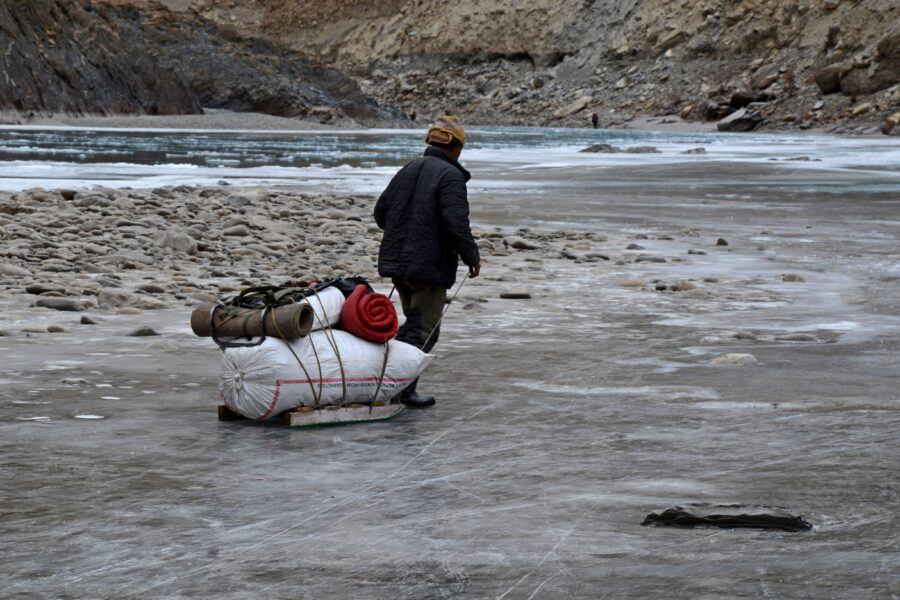
An insulated steel bottle, so water does not freeze overnight and you can carry something hot through the day.
Long treks
A filter bottle or tablets for stream refills, plus a soft flask or bladder for extra capacity on dry stretches.
Plan the trip it is for
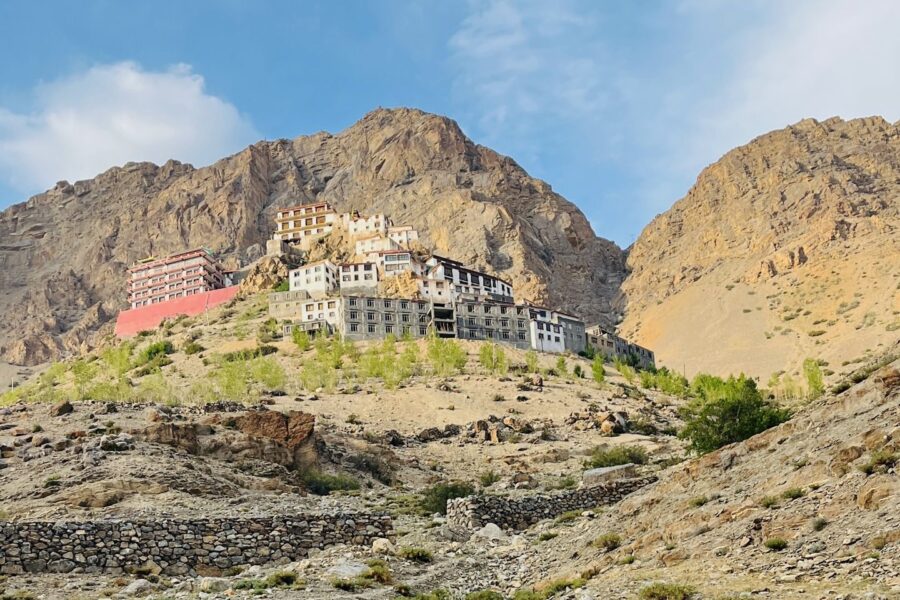
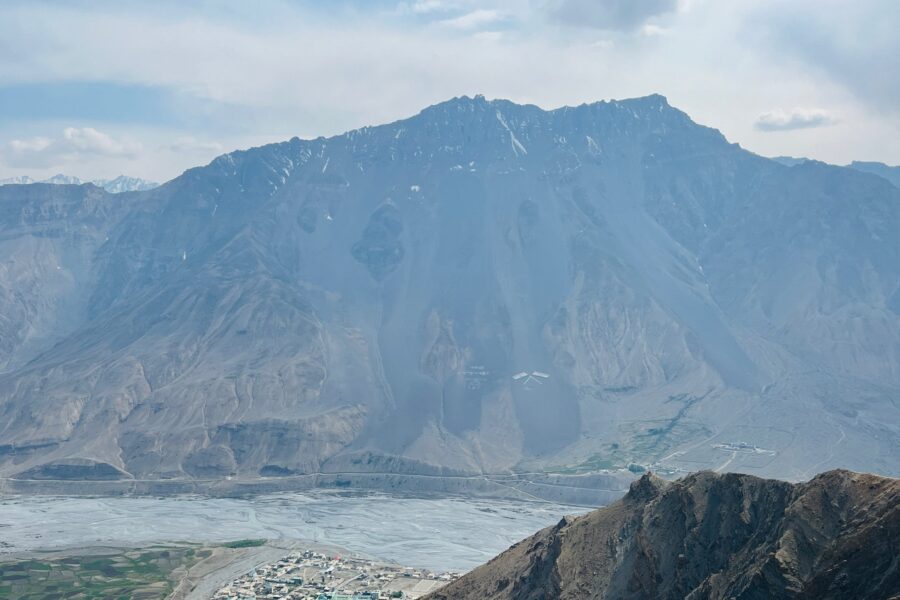
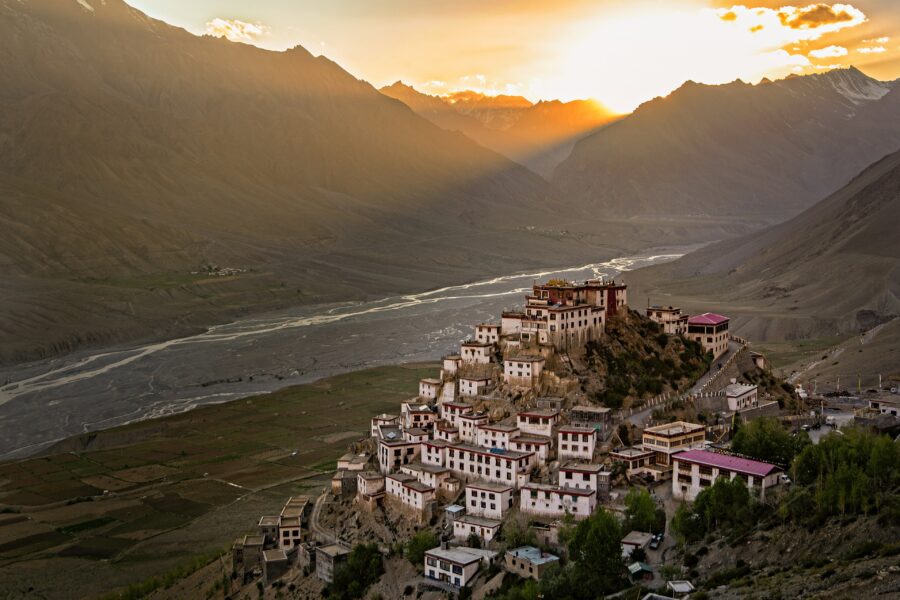
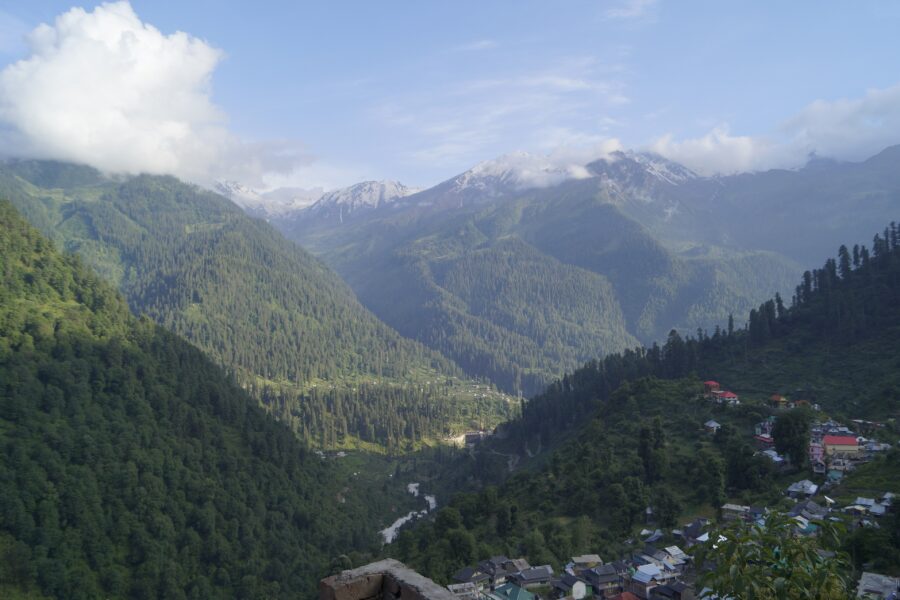
Filter bottles earn their keep in remote areas: our Spiti Valley and Ladakh itineraries list the refill points along the way, and on treks like Kheerganga the streams are your water supply. For the rest of your kit, see our road trip essentials.
Frequently asked questions
Is tap water safe to drink while travelling in India?
Not reliably. Tap water quality varies widely, so filter, boil or treat it before drinking. A filter bottle or purification tablets let you use taps safely without buying bottled water.
Do filter bottles remove viruses?
Most straw-type filter bottles remove bacteria and parasites but not viruses. Where water may be contaminated with sewage, add purification tablets or boil the water as well.
Is it safe to drink stream water on Himalayan treks?
Clear mountain streams can still carry bacteria from animals and campsites upstream. Filter or treat stream water before drinking, even at high altitude.
Which water bottle is best for cold places like Ladakh?
An insulated steel flask: it keeps water from freezing overnight and lets you carry hot water or tea through a cold day. Plastic and soft bottles can freeze solid at high camps.
How much water should I carry on a trek?
Usually 1.5 to 2 litres between refill points, more on hot, dry stretches and at altitude, where you lose water faster through breathing. Drinking steadily also helps with acclimatisation.
A bottle you will actually carry is better than a perfect one left at home. Pick by the trip you are taking most, and check the current price and capacity on Amazon before buying.
Plan it with HikiePsyche
Ready-made plans for this trip
Everything in this guide, already worked out: routes, stays, timings and costs. You travel independently - we have done the research.
Kheerganga Trek – 2-Day Itinerary

Know the place
Explore the places in this guide
 Autumn
Spiti Valley
 Autumn
Kheerganga Trek
 Autumn
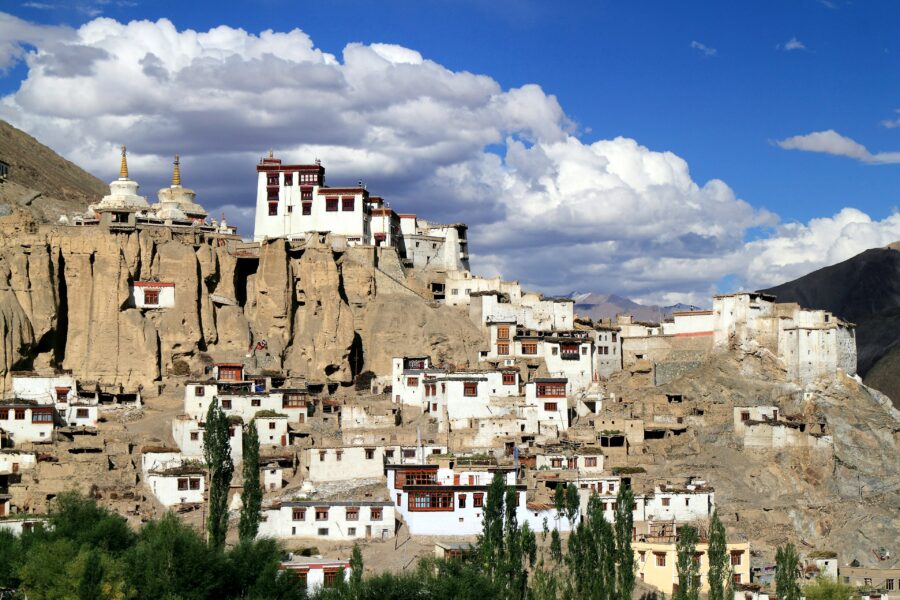
Photo: Timothy A. Gonsalves, CC BY-SA 4.0, Wikimedia Commons