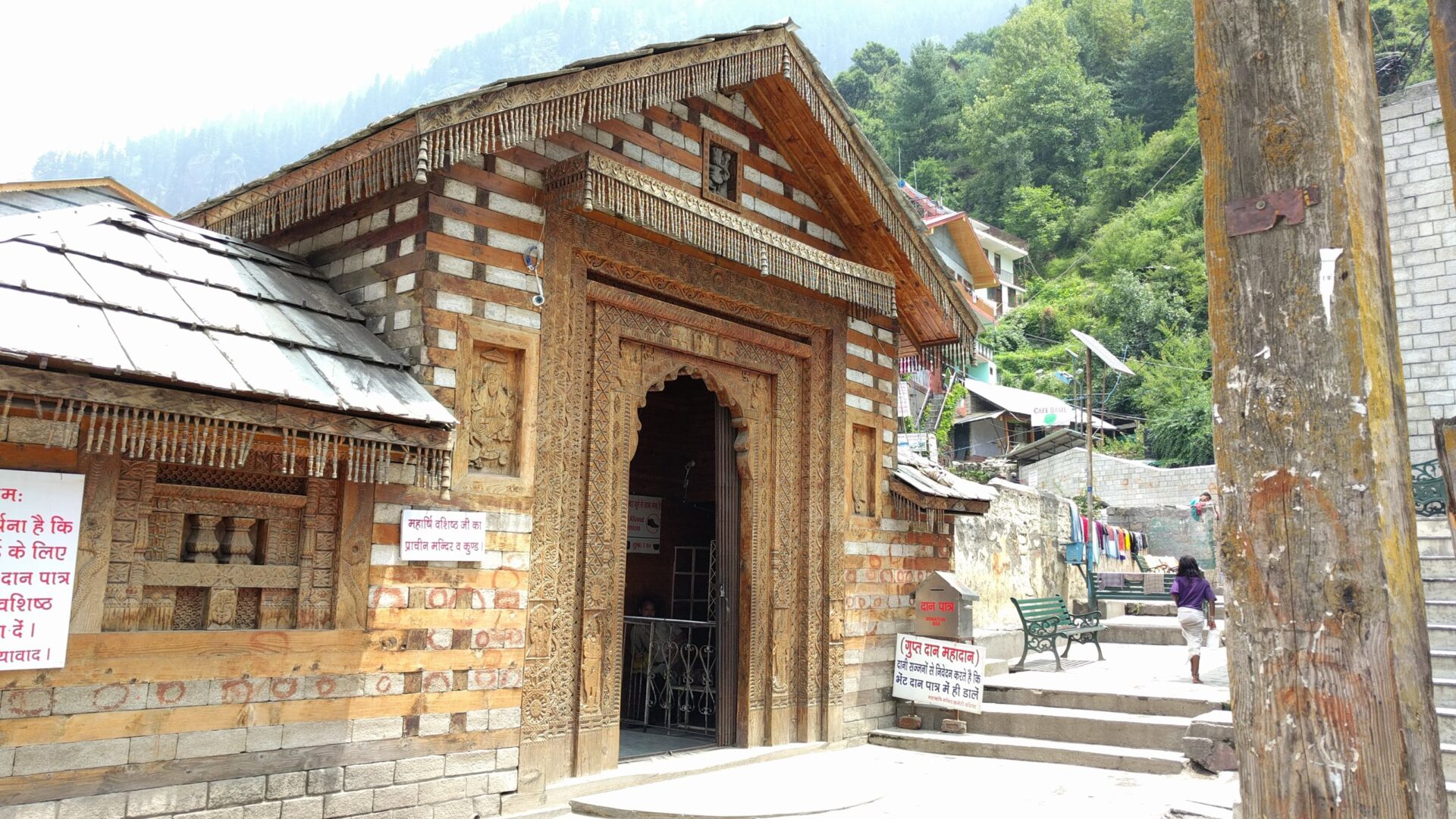
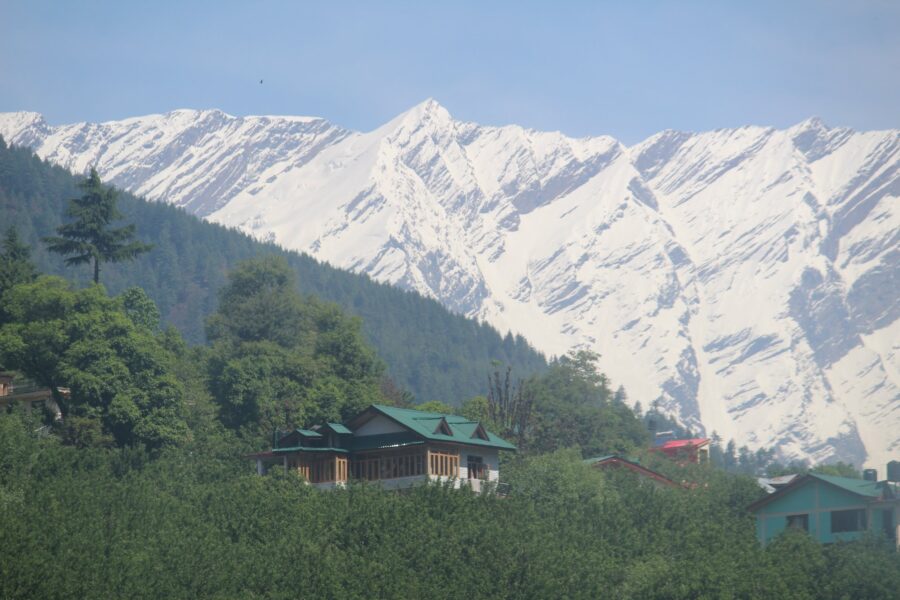
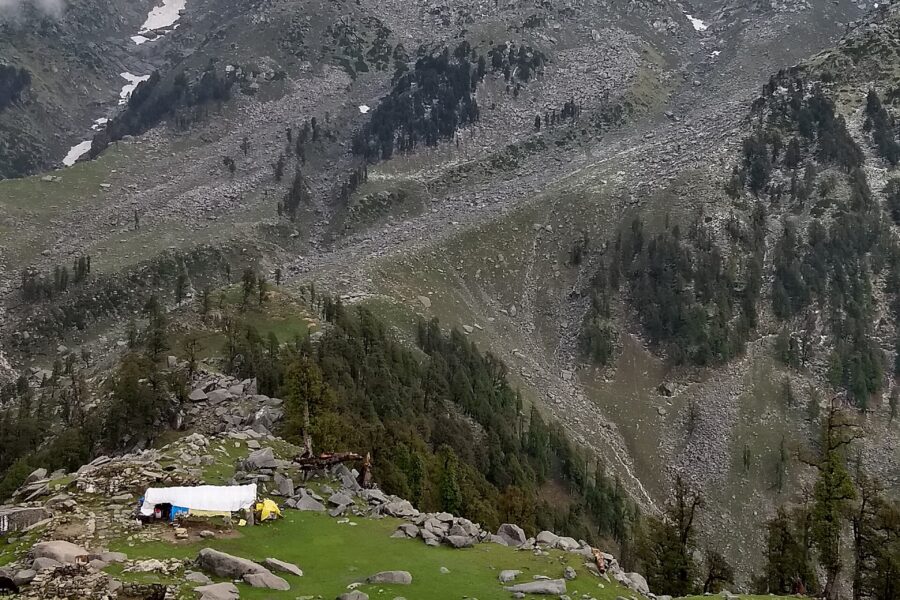
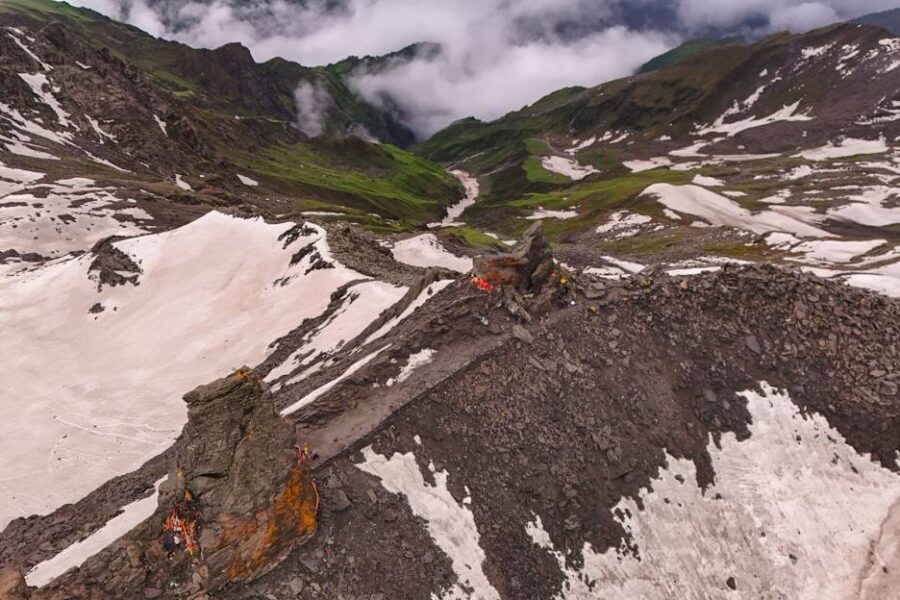
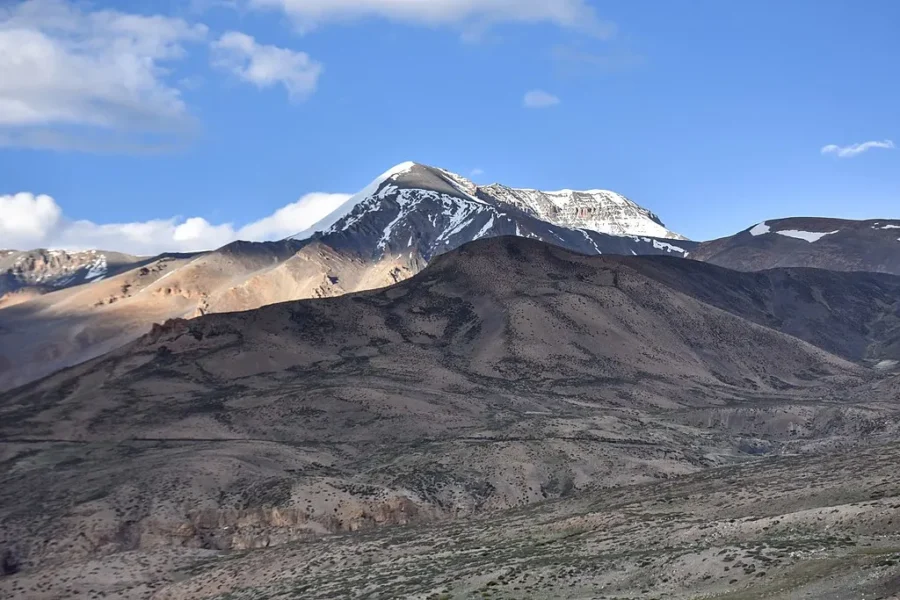
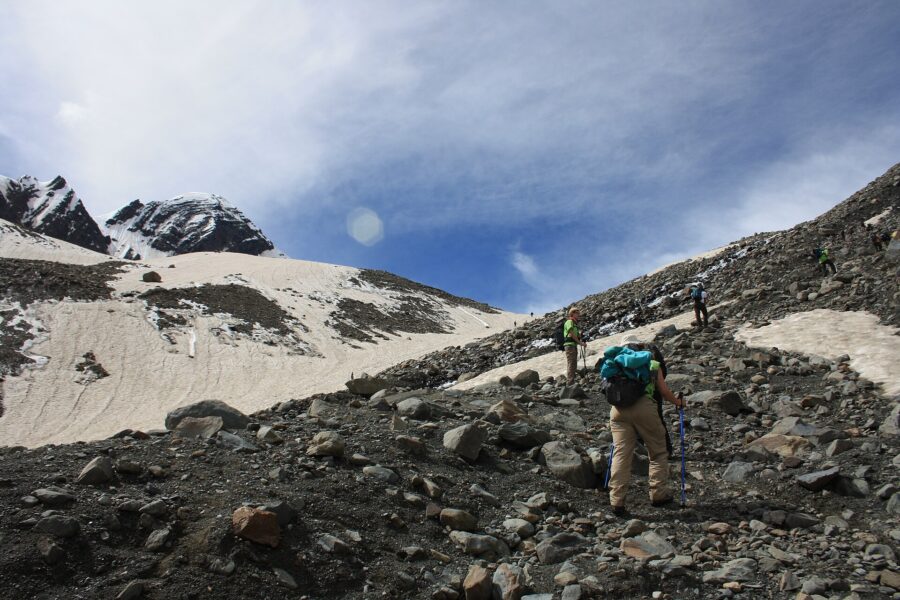
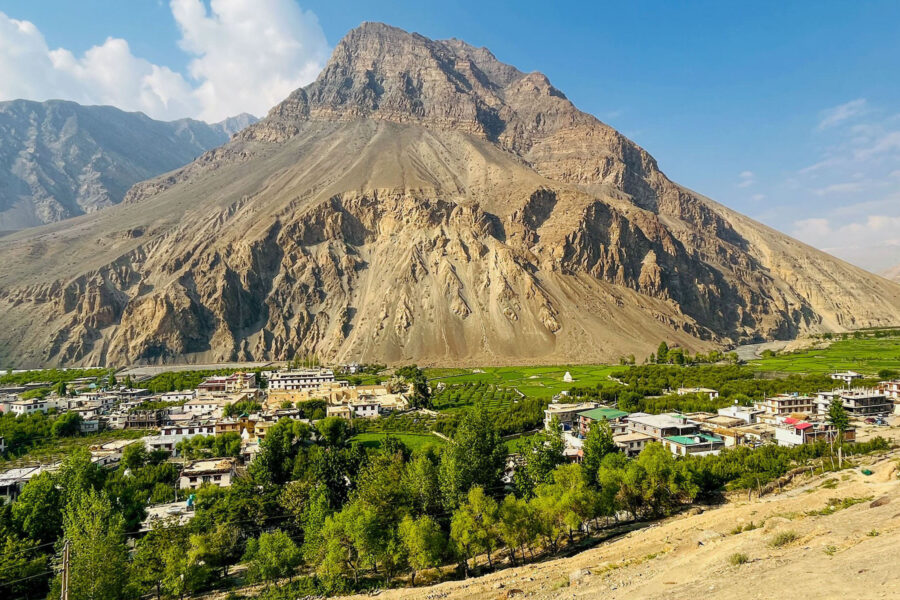
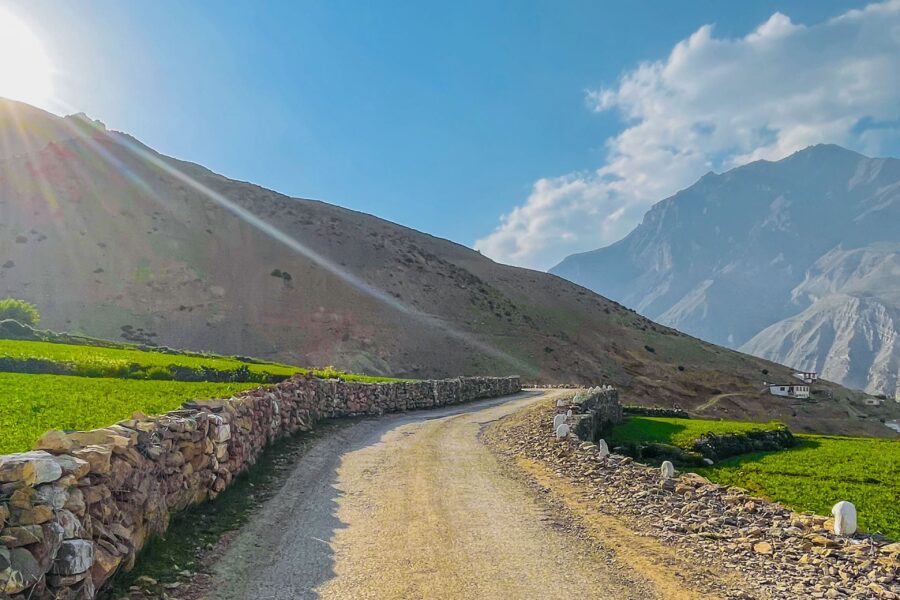
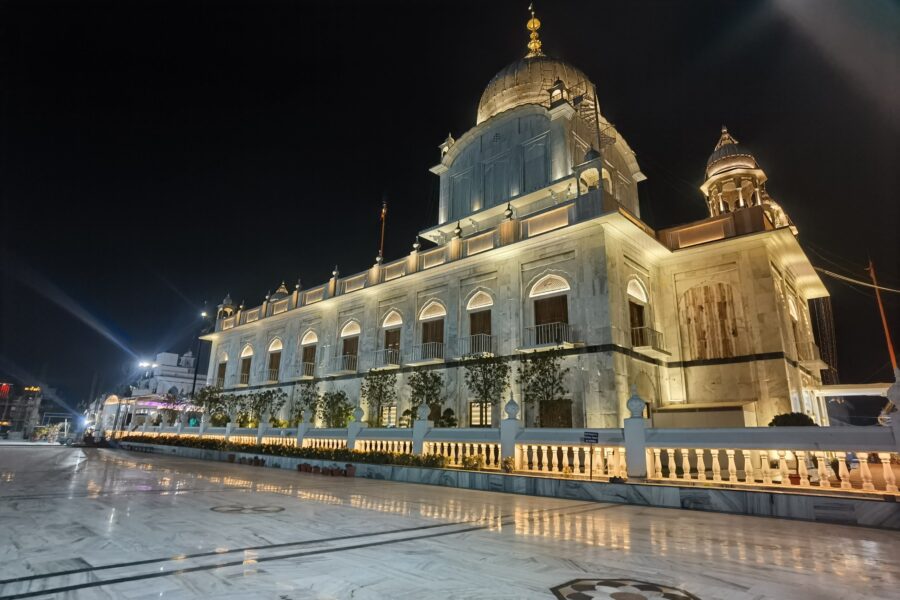
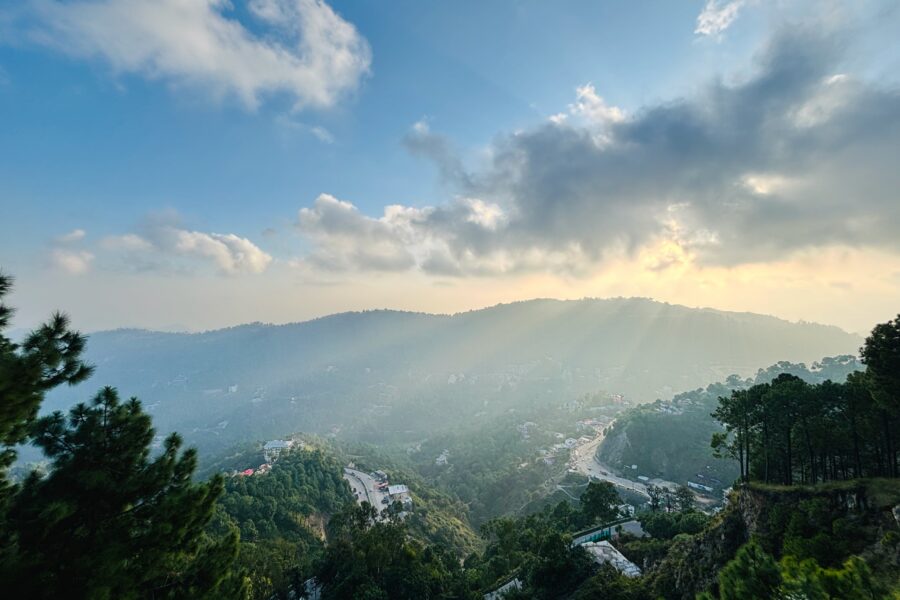
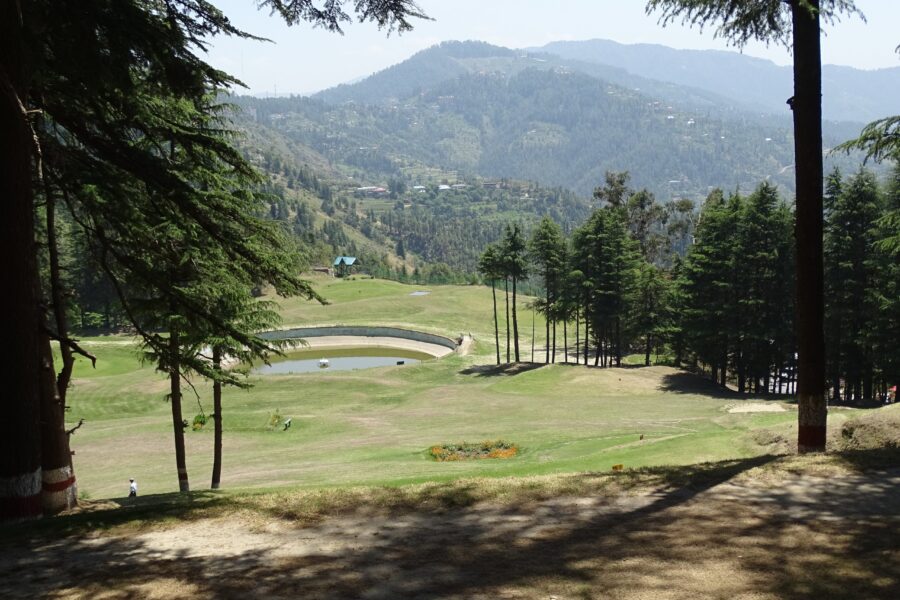
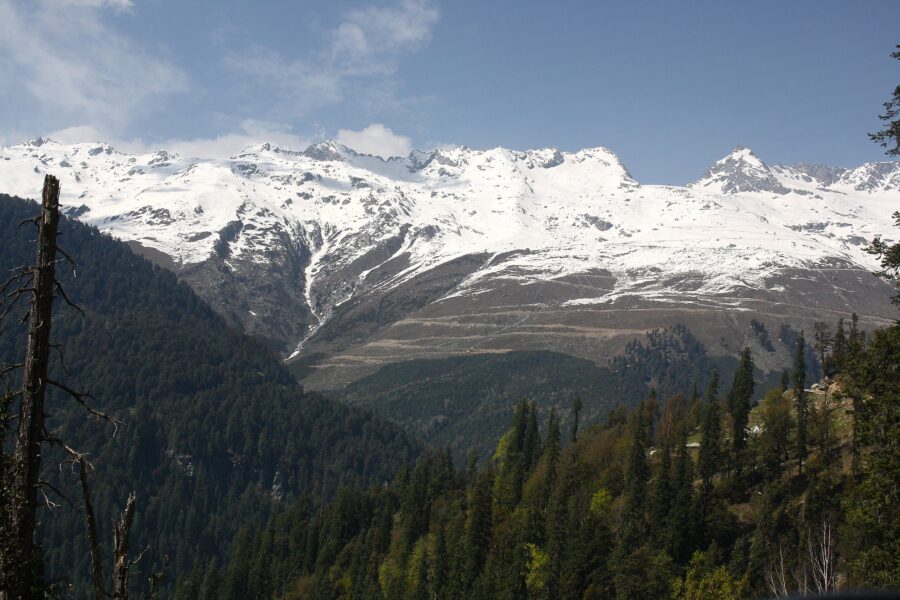
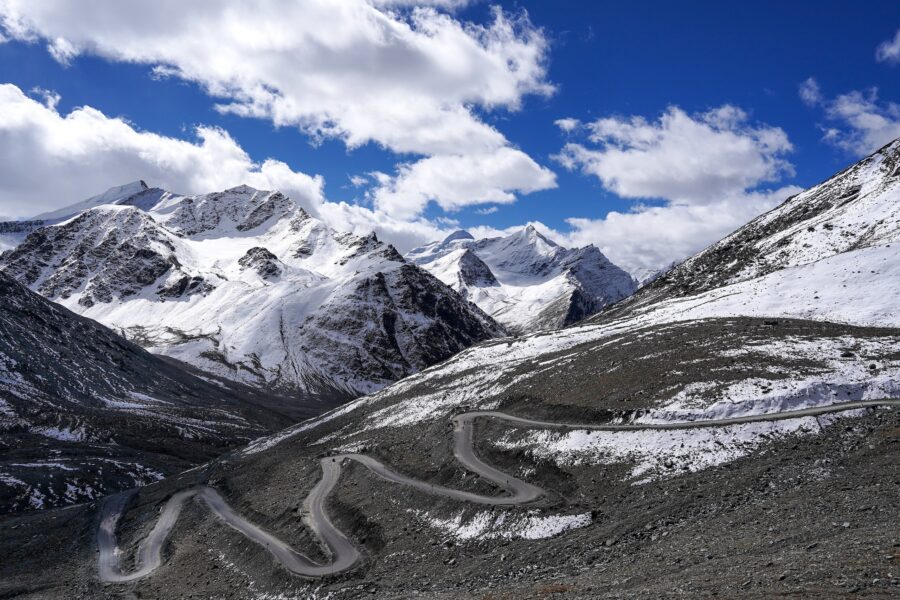
An old village on the left bank of the Beas, about 3 km by road from Manali town. Vashisht is known for its natural hot sulphur springs, piped into free public baths beside the stone-and-wood temple of the sage Vashisht, with separate bathing areas for men and women. A Rama temple stands opposite, and the lanes above are lined with guesthouses and cafés. The walk to the Jogini waterfall starts at the top of the village, and the road on to Solang and the Atal Tunnel is close by.
DIY Snapshot
DIY difficultyEasy
Best forSpiritual, Culture, Slow travel, Nature
Ideal days1-2 days
Best seasonMar to Jun and Sep to Nov; Dec to Feb for snow and a hot bath on cold days
Budget₹3,000-₹6,000
Local transportEasy
InternetGood
Safety comfortHigh
LanguagesHindi, Kullvi, Pahari, some English in cafés
How is this score calculated?
This is a DIY-readiness gauge - how do-able it is to plan and travel yourself. Destinations show it as a 0-5 DIY Score; treks & routes as a 0-10 Score (a wider scale for the extra variables they carry). Both are built from these factors:
SafetyLocal safety, terrain and current advisory conditions along the route.
Transport accessHow easily you can reach the place and move around without your own vehicle.
NetworkMobile signal and data coverage you can expect on the way.
Season reliabilityHow dependable the weather and season window is for travel.
Budget clarityHow predictable day-to-day costs are, with few surprises.
Trail / route clarityHow well-marked and easy to follow the route or trail is.
Stay availabilityThe choice and reliability of places to stay along the way.
First-timer friendlinessHow forgiving it is for a first-time independent traveller.
Solo / women comfortHow comfortable and safe it is for solo and women travellers.
Local supportAvailability of guides, hosts and on-the-ground help if you need it.
The sweet spot for visiting Vashisht is March to June and September to November; December to February for snow and a hot bath on cold days. Give it 1-2 days to do it justice. Budget roughly ₹3,000-₹6,000 per person for a DIY trip. It is a good fit if you are after spiritual travel, culture and heritage, slow travel and nature. First-time DIY travellers can manage it comfortably, and it is a sensible pick for solo women travellers.
DIY route options
Half day from ManaliA morning soak at the temple baths, the Rama temple and the village lanes, then lunch and back to Manali. The easiest way and the one most people take.
Vashisht as your Manali baseStay two or three nights in Vashisht and use it for Jogini falls, Old Manali, Solang and the Atal Tunnel. Calmer evenings than town, with the baths a short walk away.
With the Jogini waterfall walkBath and temples early, then the 2.5-3 km walk up through orchards to Jogini falls and back down for a late lunch in the village.
What most travellers miss
Most visitors only see the temple square; the old wooden houses in the lanes above it are the real village.
The Jogini waterfall walk starts right here and is skipped by people who only come for the bath.
Early morning is the calmest time at the baths, before the day-trip crowd from Manali arrives.
The Rama temple facing the Vashisht shrine is easy to walk past without noticing.
Where to base yourself
VashishtNights 1-2
DIY is the main way - this is the upgrade
Want expert help adapting this plan?
Want a version of this plan built around you? We rework the route, pacing, stays and budget for your dates and group size - you travel independently, with the research already done.
Nearest airportBhuntar (Kullu) is the nearest airport, about 53 km by road, with a few flights from Delhi. Chandigarh, roughly 275 km away, has many more flights and is the usual choice.
Nearest railway stationThere is no railhead in the mountains. Chandigarh and Kiratpur Sahib are the practical broad-gauge stations, a full day by road from Manali.
Bus & road hubOvernight HRTC and private Volvos run from Delhi and Chandigarh to Manali. From the Manali bus stand, local buses and shared cabs run up to Vashisht, or it is a 3 km taxi ride.
Taxis & local transportManali taxi-union cabs and autos run to Vashisht on fixed short-trip rates. The village lanes are narrow, so cabs stop at the temple square and you walk from there.
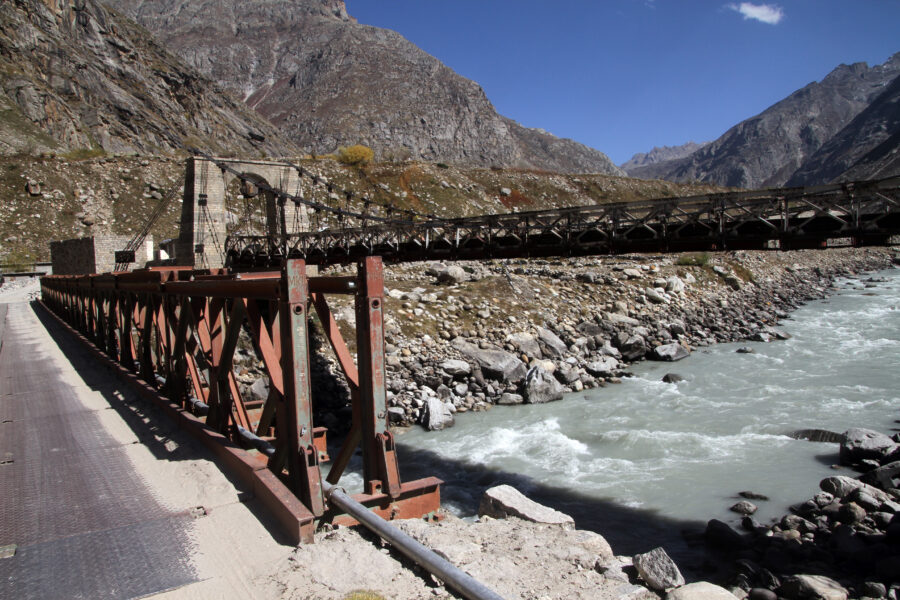
Road access & best routeVashisht is about 3 km from Manali bus stand: cross the Beas bridge north of town and climb the short road on the left bank. Chandigarh is about 275 km (6-7 hours) and Delhi about 540 km by the Kiratpur-Mandi-Kullu highway.
Things to do & travel tips
The hot spring baths at the temple are free, with separate areas for men and women. Leave valuables in your room and bring a small towel.
The water is very hot; step in slowly, keep the first soak short and drink water afterwards, especially if you have a heart or blood pressure condition.
The Jogini waterfall walk is about 2.5-3 km each way from the top of the village; the last stretch is steep and slippery after rain, so wear proper shoes.
Vashisht is a living temple village - dress modestly near the shrines and ask before photographing people bathing or praying.
Staying here is quieter than Mall Road but still a short ride from it, which makes it an easy base for Solang, the Atal Tunnel and Rohtang.
Photos of Vashisht
Map
Curated places to visit in Vashisht
Tap “Get directions” to open any spot straight in Google Maps.
Manali Sanctuary
2.2 km from Vashisht centre
The Manali Wildlife Sanctuary is a wildlife sanctuary in Himachal Pradesh in northern India.
The sanctuary starts about 2 km from Manali. It is the catchment of Manalsu khad. A path from Manali log huts and Dhungri t…
Hidimba Devi Temple, locally known as Dhungari Temple, also known variously as the Hadimba Temple, is a Hindu Temple, located in Manāli, a hill station in the State of Himāchal Pradesh in north India. It is an ancient…
Bhrigu Lake or Brighu Lake is a lake located at an elevation of around 4,300 metres (14,100 ft) in Kullu district, Himachal Pradesh, India. It is located to the east of Rohtang Pass and is around 6 kilometres (3.7 mi)…
Solang Valley derives its name from a combination of the words Solang and Nallah. It is a side valley at the top of the Kullu Valley in Himachal Pradesh, India 14 km northwest of the resort town Manali on the way to R…
Gulaba is a village in the Indian State of Himachal Pradesh. It is located 27 km from the town of Manali and 25 km from the Rohtang pass. The village was designed and is managed according to the guidelines of National…
The Rehala Falls is a cascade/punchbowl type waterfall located 16 km north of Manali on the Leh–Manali Highway south of the Rohtang Pass within the Himalayan mountain range. The Rehala waterfall is a tourist attractio…
The best time to visit Vashisht is March to June and September to November; December to February for snow and a hot bath on cold days.
How many days do you need for Vashisht?
Plan for about 1-2 days to see Vashisht at an easy pace.
What is the nearest railway station to Vashisht?
The nearest railway station to Vashisht is There is no railhead in the mountains. Chandigarh and Kiratpur Sahib are the practical broad-gauge stations, a full day by road from Manali.
What is the nearest airport to Vashisht?
The nearest airport to Vashisht is Bhuntar (Kullu) is the nearest airport, about 53 km by road, with a few flights from Delhi. Chandigarh, roughly 275 km away, has many more flights and is the usual choice.
How do you reach Vashisht by road?
Vashisht is about 3 km from Manali bus stand: cross the Beas bridge north of town and climb the short road on the left bank. Chandigarh is about 275 km (6-7 hours) and Delhi about 540 km by the Kiratpur-Mandi-Kullu highway.
How much does a trip to Vashisht cost?
A DIY trip to Vashisht starts around ₹3,000-₹6,000 per person, depending on stays, travel and season.
Is Vashisht good for first-time or solo travellers?
Yes - Vashisht is a sensible pick for first-time DIY travellers and solo women travellers, if you plan the basics ahead.